A heat pump in Springfield does two jobs with one set of equipment: it heats your home in cold weather and cools it in warm weather. That means it runs through the year, and the wear and dust that build up in one season carry straight into the next. A little regular attention goes a long way, and most of it is simple enough for a homeowner to handle.
This article explains heat pump maintenance in plain terms. You will learn what to check yourself, what to leave to a professional, how to read the warning signs that mean you should call for help, and what to ask a technician when they visit. For service timing, check your system manual and ask your technician, because the right interval depends on your model and how you use your home.
What Your Heat Pump Does All Year
A heat pump moves heat rather than making it from fuel. In cold weather, it pulls heat from the outside air and moves it inside your home. In warm weather, it moves heat from inside to the outside. The same outdoor unit, indoor unit, and refrigerant lines do both jobs, switching direction with the seasons.
Because the same equipment runs in both seasons, a problem that starts in summer can still be there in winter. A filter that clogs in August can hurt heating in January. A drain that clogs in cooling season can back up when you least expect it. A coil that collects dust in one season works less well in the next. Regular checks through the year catch these issues while they are still small.
Your manual is the best guide to your specific model. It shows where the filter sits, how the controls work, what the defrost cycle should look like, and what care the manufacturer recommends. Read the maintenance section before you touch anything you are unsure about, and follow any step that tells you to call a professional.
Filters, Airflow, and Registers
Start with the filter. A clean filter lets air flow freely through the system and protects the indoor coil from dust. A clogged filter chokes airflow, makes the system run longer, and can leave rooms uncomfortable. In cooling mode, a badly clogged filter can even cause the indoor coil to freeze.
Find the filter location in your manual. It may sit in a return grille, in a slot near the indoor unit, or in a filter cabinet. Note the size printed on the edge of the old filter and buy the same size. A filter that is too small lets air slip around it. A filter that is too large will not fit.
Check the filter regularly and change it when it looks dirty, following the guidance in your manual. Homes with pets, dusty work nearby, or a lot of foot traffic may need more frequent changes. Write the date on the edge of the new filter with a pencil, and keep a spare on hand so a dirty filter never stays in place because you have no replacement.
While the system runs, walk through the house and feel the air at each register. Airflow should feel steady. A register with almost no air while others blow strongly may point to a closed damper, a blocked register, or a duct problem. Make sure furniture, curtains, and rugs are not blocking registers or return grilles, and check that dampers are open in the rooms you use.
The Thermostat and How the System Cycles
Check the thermostat settings when the seasons change. Make sure it is set to the mode you want, heating or cooling, and that the temperature setting is what you expect. If the thermostat runs on batteries, change them on the schedule in its manual. If the display is blank, check the batteries and the breaker before you call for help, and note what you find so you can describe it to the technician.
Pay attention to how the system cycles. A system that turns on and off in quick bursts, or one that runs without stopping and still leaves rooms uncomfortable, is worth a call. Note when the problem happens, which rooms are affected, and whether it happens in heating, cooling, or both. Specific details help a technician find the cause faster.
Listen while the system runs, too. A heat pump makes some sound, especially the outdoor unit, but a new grinding, screeching, or banging noise is worth noting. Write down when the noise happens and whether it stops when you turn the system off. That note is more useful to a technician than a general report that the system sounds odd.
The Outdoor Unit Through the Seasons
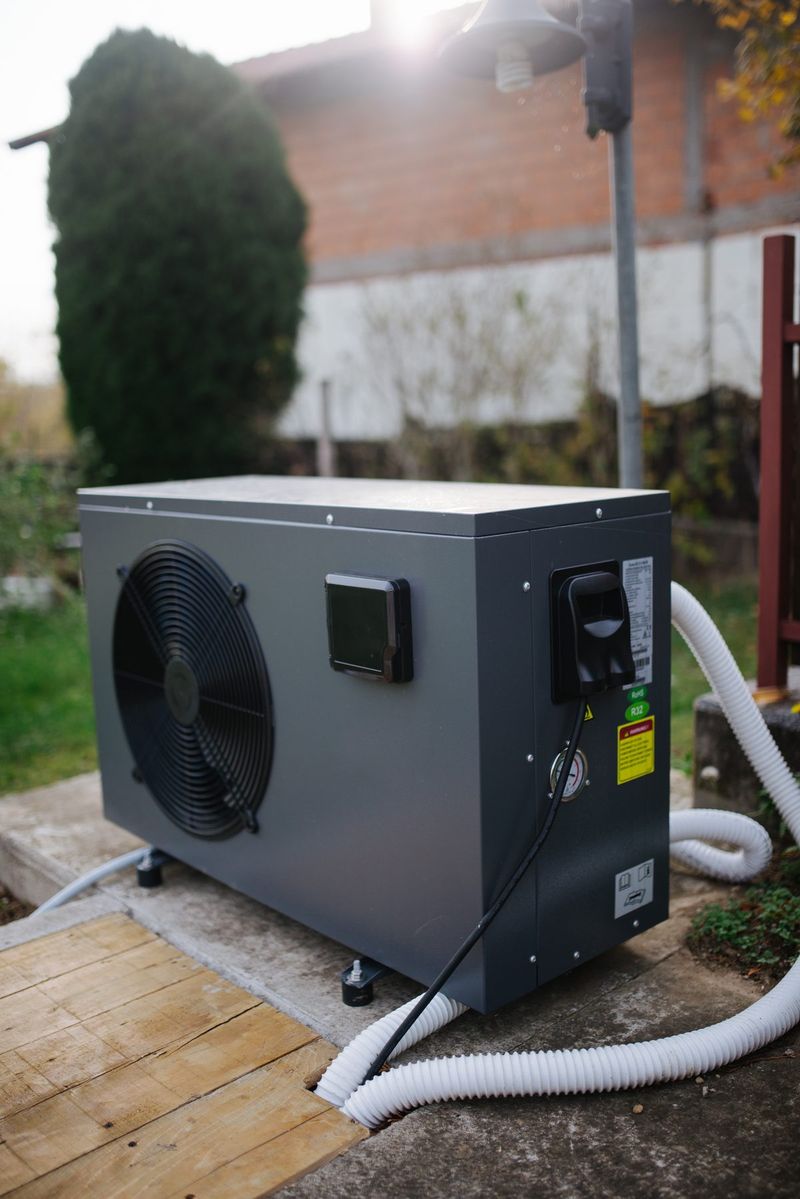
The outdoor unit needs air around it to work well. Leaves, grass clippings, snow, and stored items can block airflow and make the unit work harder. Keep the area around the unit clear, with space on all sides for air to move. Trim back shrubs and grass so they do not press against the unit, and keep the top clear of leaves and debris.
Where winters are cold, snow and ice need attention. A heat pump goes through defrost cycles in cold weather, and some frost on the outdoor coil during those cycles is normal. A thick sheet of ice that does not clear, or a unit buried in a snowdrift, is different. Clear snow away gently, without hitting the fins or the fan, and call a technician if ice keeps building up.
After a storm, check the unit for branches, leaves, or standing water. Clear debris away gently and look for bent fins or a loose panel. If the unit was hit by falling debris or was under water, do not turn it on until a technician has looked at it. Do not open the panels of the outdoor unit yourself, and do not use a pressure washer on the coil, which can bend the thin fins.
Professional Checks: Refrigerant, Electrical, Coils, and Drains
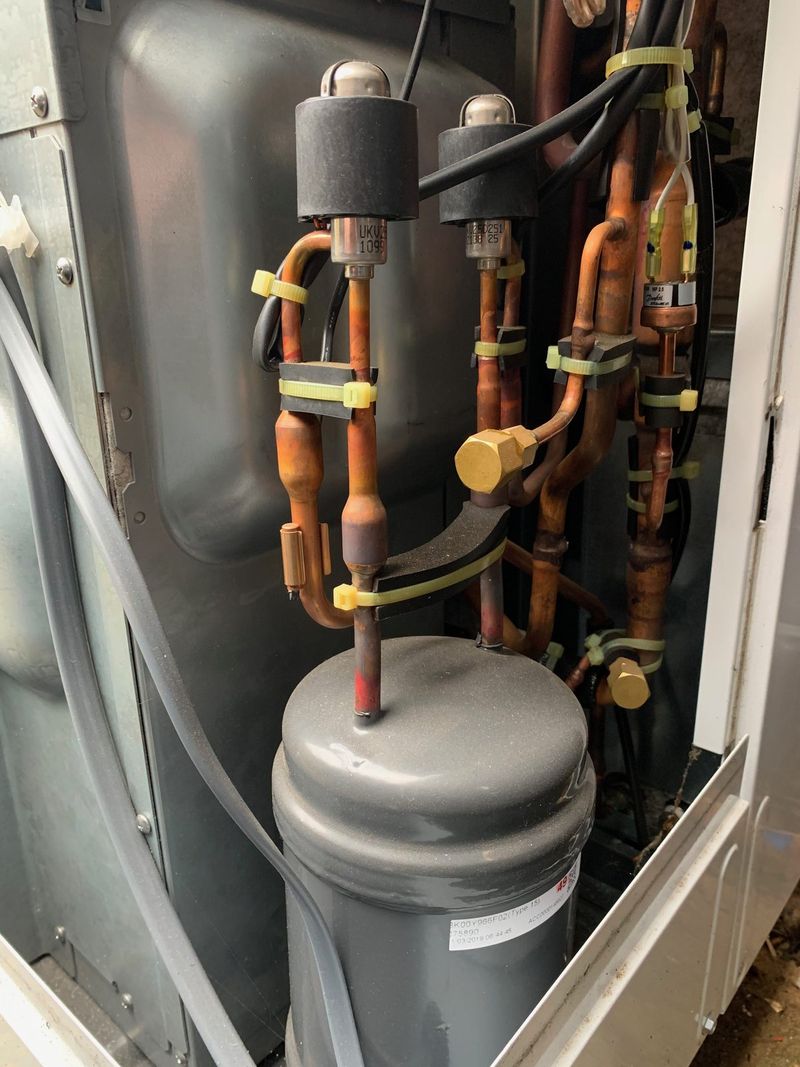
Refrigerant is a technician's job. A system that is short on refrigerant is short for a reason, and a technician needs to track that reason down. Topping it up without finding the leak only buys a little time and can lead to a larger repair later. A technician can measure the charge and the pressures and tell you whether the readings look right for your model.
Electrical parts are best left to the technician. On a visit they can inspect connections, capacitors, contactors, and the defrost control, and spot a component that is wearing thin before it fails. Do not open the electrical cover on the outdoor unit or touch wiring inside the indoor unit. If you smell burning or hear a loud electrical buzz, turn the system off at the thermostat and the breaker and call for help right away.
In most homes, coil cleaning, duct inspection, and drain clearing belong to a professional. The indoor coil sits in a cramped spot and is easy to bend, while the drain can clog with algae and flood the area around the unit. A technician can clean the coil, clear the drain, check the airflow, and write down what was inspected and what was done. Keep that note with your other paperwork, because it builds a record for your system over time.
Warning Signs to Act On Soon
Some signs mean you should call a technician soon, not wait for the next regular visit. Air from the vents that is barely warm in heating mode or barely cool in cooling mode, a system that short-cycles, or a system that runs without stopping and still leaves rooms uncomfortable all deserve a call.
Ice deserves a closer look. A light coating of frost while the unit defrosts is normal in cold weather, but a heavy layer of ice on the outdoor unit that never clears, or ice forming on the indoor refrigerant lines, needs a technician. Never pry ice off with a tool, because the coil and fan are easy to damage. If your thermostat has an emergency heat setting and your manual explains it, switch to that, or simply turn the system off and call for help.
Water in the wrong place is a sign to act on. A puddle by the indoor unit, a stain spreading on the ceiling below it, or a drain that keeps backing up can point to a clogged drain or a cracked pan. If water is pooling, turn the system off and call a technician, and be ready to say when the water first appeared and whether it shows up in heating, in cooling, or in both.
A Seasonal Routine That Fits Your Home
As the heating season approaches, run through your own checks first: put in a clean filter, clear the space around the outdoor unit, and set the thermostat for heating. Go room by room and confirm the registers are open and clear. If your manual walks you through a heating check you can do yourself, follow it exactly, and call a technician if anything looks or sounds out of place.
Before the cooling season, do the same checks with cooling in mind. Change the filter, clear leaves and debris from around the outdoor unit, and check that the drain is clear if you can see it safely. Turn the system to cooling on a mild day and check that each room cools evenly. A mild-day test is better than discovering a problem on the first hot afternoon of the year.
Through the year, check the filter on a regular rhythm that fits your home, and check the outdoor unit after storms and at the change of seasons. In hot-summer climates, a clear outdoor unit matters even more, because the unit must shed heat into already warm air. Small, regular checks like these catch most problems while they are still small.
Questions to Ask Your Technician
When the technician is in your home, ask them to talk you through the visit: what they checked, what they found, and what to watch next. Ask if the filter size and type you use are right for the unit, and how often the filter should be checked in your household. Ask about clearance around the outdoor unit as well, and whether any shrubs or stored items need to be moved.
Ask the technician to explain the defrost cycle for your model, so you know what normal frost looks like in cold weather and what counts as a problem. Find out what to do if heating or cooling stops, and who to call after hours. Jot the answers down and keep them with the manual where you can find them in a hurry.
Ask for a written record of each visit: what was checked, what was cleaned or adjusted, and what was recommended. That record helps the next technician see what has already been done, and it helps you see patterns over time. A heat pump that gets regular attention, a clean filter, a clear outdoor unit, and a prompt call when something changes will serve your home far better than one that is only noticed when it stops working.
Related Guides