Deep below your yard, the ground stays at a steady temperature all year. In summer it is cooler than the air above it, and in winter it is warmer. A geothermal heat pump takes advantage of that steady underground temperature to heat and cool your home. It does not burn fuel to make heat. It moves heat between your home and the earth, using a loop of pipe buried in the ground as its heat source in winter and its heat sink in summer.
If you have heard that geothermal is efficient but expensive to install, you have heard the two facts that matter most. The system can be a strong choice for the right property, but it needs land, the right soil, and a careful design. Here is how it works and where it fits.
What a Geothermal Heat Pump Is
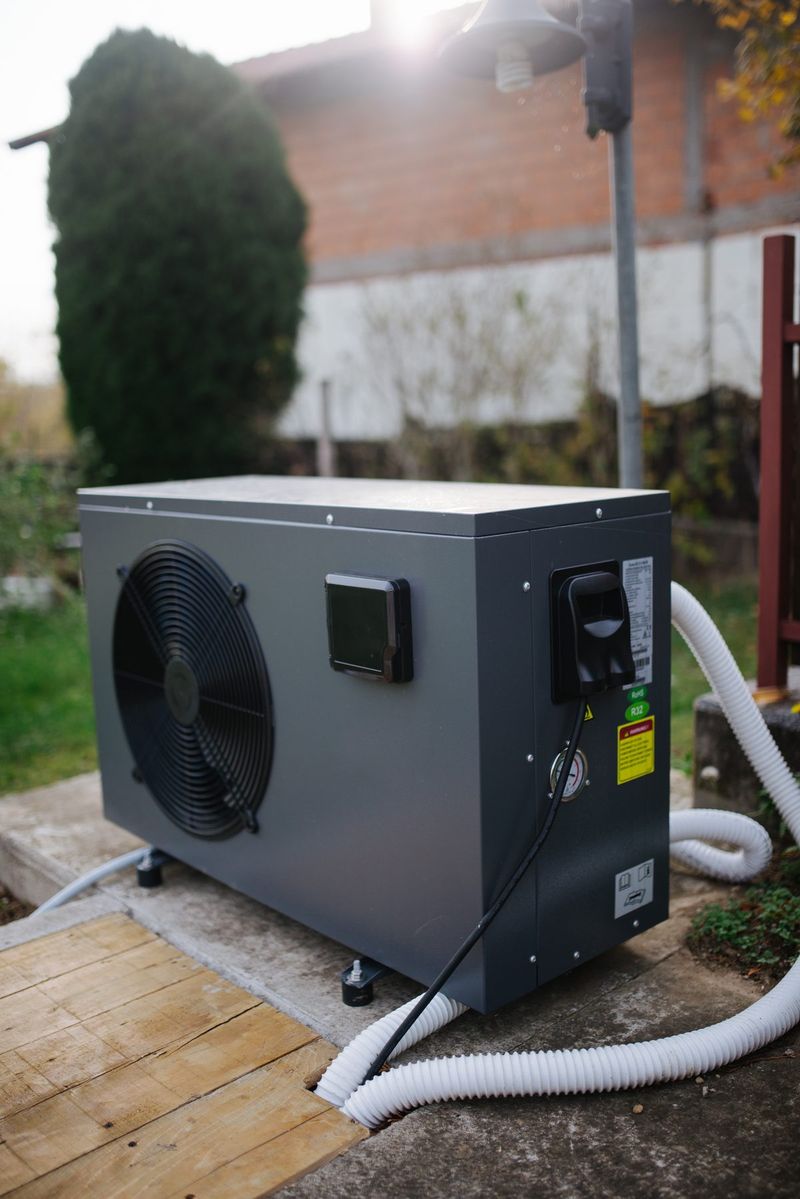
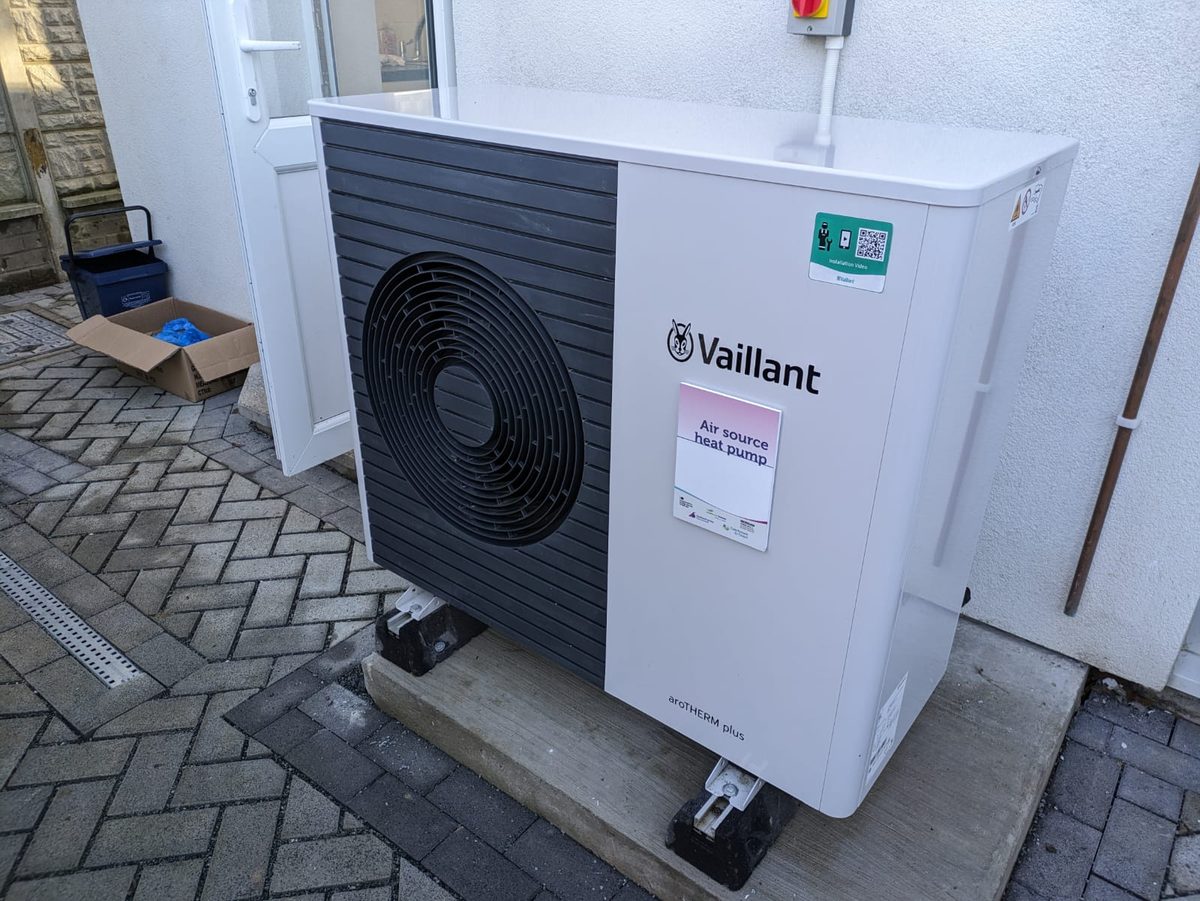
A geothermal heat pump, also called a ground-source heat pump, is a heating and cooling system with three parts: a heat pump unit inside your home, a loop of pipe buried in the ground, and the ductwork or radiant system that delivers comfort to your rooms. The buried loop is the part that makes the system different from an air-source heat pump, which exchanges heat with outdoor air instead.
Outdoor air swings from freezing to scorching through the year. The ground a few feet down does not. Below the frost line, soil temperatures stay mild and steady in every season. That stability is the whole advantage of geothermal. The heat pump always has a moderate temperature to work with, so it does not struggle on the coldest nights or the hottest afternoons the way an air-source system can.
The system can also heat water for your home in some setups, using spare heat from the cooling cycle. That is an optional extra, not a core part of the system, and it works best in homes with high hot water use.
The Ground Loop: The Heart of the System
The ground loop is a closed circuit of durable plastic pipe buried in the earth. A water-based fluid circulates through the pipe, picks up heat from the ground or gives heat to it, and returns to the heat pump indoors. The loop never opens to the soil. The fluid stays inside the pipe for the life of the system.
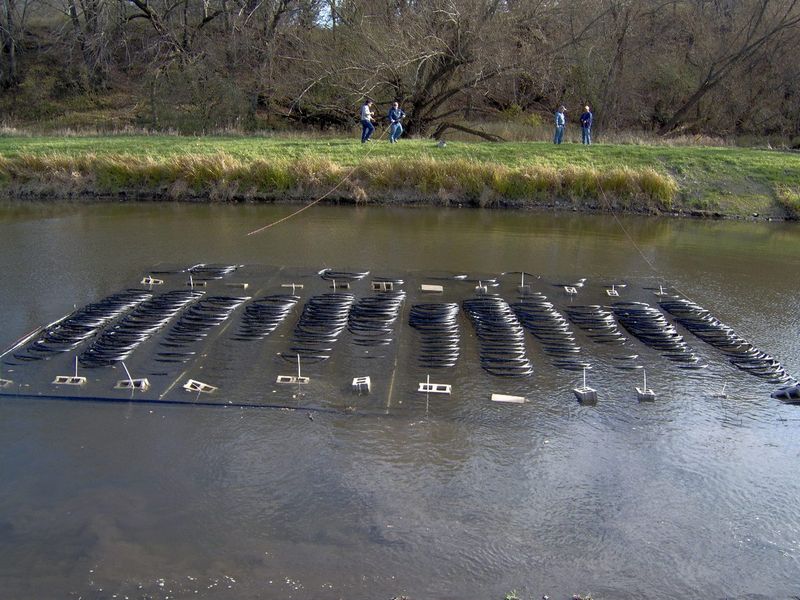
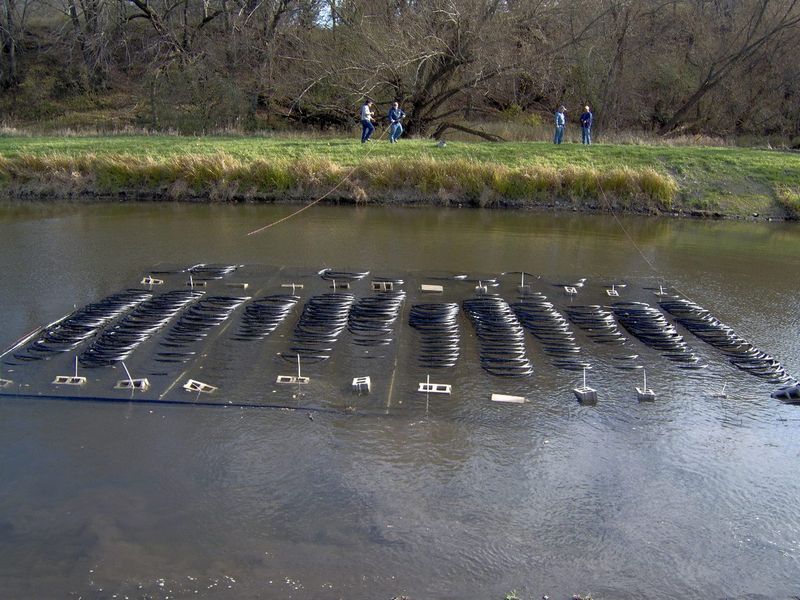
There are two main loop layouts. A horizontal loop runs in trenches dug a few feet deep across a wide area of yard. It needs a good amount of open land, but the digging is shallow and straightforward. A vertical loop runs in deep boreholes drilled straight down, with pipe lowered into each hole and the hole filled around it. It needs far less surface area, but drilling is specialized work.
Which layout fits your property depends on your land. A large flat yard suits a horizontal loop. A small lot, a rocky site, or a yard with trees and driveways in the way may need vertical boreholes. Your installer will study the soil, the available space, and the heating load of your home before recommending one.
Open Loop vs Closed Loop
Most residential systems use a closed loop, where the same fluid circulates through sealed pipe for years. A smaller number use an open loop, where groundwater is pumped from a well, run through the heat pump, and returned to the ground through a second well or a discharge point.
An open loop can work well where groundwater is plentiful and clean, and it can be simpler to install than a closed loop. But it depends on a steady water supply, and local rules may limit how groundwater can be used and returned. Water quality matters too, because minerals and sediment in well water can scale or clog the heat pump over time.
A closed loop avoids those issues. The fluid is sealed inside the pipe, the water supply is not touched, and the system works the same in almost any soil. That is why closed loops are the common choice for homes, with horizontal or vertical layouts chosen by the land available.
How Heating Works in Winter
In winter, the fluid in the ground loop circulates through the buried pipe and absorbs heat from the surrounding soil. Even when the air above is freezing, the ground a few feet down is mild, so the fluid returns to the heat pump carrying usable heat.
Inside the heat pump, that warmth transfers to refrigerant in an evaporator coil. The refrigerant boils into a gas at a low temperature, and a compressor squeezes that gas, which raises its temperature further. The hot refrigerant then passes through a condenser coil, where a fan blows household air across it. The air warms, flows into your ducts, and heats your rooms. The refrigerant cools, returns to liquid, and the cycle repeats.
Because the heat pump is moving heat rather than making it from fuel, it can deliver far more heat energy than the electrical energy it uses to run the compressor and pumps. That is the source of the efficiency that geothermal is known for, and it is why the system can heat a home through a cold winter without a furnace.
How Cooling Works in Summer
In summer, the cycle reverses. The heat pump pulls heat from the air inside your home and sends it into the ground loop. Warm indoor air passes over a coil, refrigerant absorbs the heat, and the compressor moves it along to the ground loop fluid. The fluid carries the heat out to the buried pipe, where the cooler soil absorbs it and the fluid returns to the house ready for another round.
The ground is a good place to dump heat in summer because it is far cooler than the hot outdoor air. An air-source air conditioner has to push heat into air that may already be very hot, which takes more work. A geothermal system pushes heat into mild soil, which takes less. The result is steady cooling even on the hottest afternoons, with the added benefit of dehumidification as moist indoor air passes over the cold coil.
Where a Geothermal System Fits
Geothermal fits best on properties with enough land for a loop and a home that will stay in the family or be owned for many years. The buried loop lasts for decades, and the indoor heat pump has a long service life too, so the system rewards a long view.
It fits less well on a small urban lot with no room for trenches or drilling, on a site with shallow bedrock that makes drilling hard, or in a home the owner plans to sell soon. The upfront work is the barrier: digging trenches or drilling boreholes, running pipe, and installing the heat pump takes specialized crews and several days.
New construction is often the easiest time to install geothermal, because the loop can go in before the yard is landscaped and the home can be designed around the system. Retrofits are possible too, especially when an old heating system is being replaced and the yard is open for digging.
Installation in Brief
A geothermal install starts with a load calculation for your home and a survey of the land. The installer sizes the loop from the heating and cooling load, the soil type, and the local ground temperature. A loop that is too small will not keep up in extreme weather, so sizing is not a place to cut corners.
Next comes the ground work: trenches for a horizontal loop or boreholes for a vertical loop. Pipe is laid or lowered in, pressure-tested for leaks, and buried or grouted in place. The pipe is then connected to the indoor heat pump, the fluid is filled and purged of air, and the system is tested in both heating and cooling modes.
Inside, the heat pump connects to your existing ductwork or to a radiant system. The installer should walk you through the thermostat, the filter, and the pump controls, and leave you with records of the loop layout so future digging in the yard does not hit the pipe.
Care and Long Life
Day to day, a geothermal system asks little of you. Change the air filter on schedule, keep vents open, and book a yearly check so a technician can inspect the pump, the fluid pressure, the electrical controls, and the indoor coils. The buried loop itself needs no maintenance, since it has no moving parts and sits sealed in the ground.
Watch for signs of trouble: a pump that runs constantly, fluid pressure that drops, or a home that cannot hold temperature in extreme weather. Those signs point to a loop or pump issue that needs a specialist, not a standard furnace technician.
A geothermal heat pump is a quiet, steady way to heat and cool a home, using the earth under your yard as a partner. It needs land, careful sizing, and a long view, but once the loop is in the ground, it works season after season with the same mild underground temperatures doing the heavy lifting.
Related Guides