When summer arrives in Sandy, Utah, your air conditioner goes from a quiet background machine to the hardest-working equipment in your home. It runs for long stretches on hot afternoons, pulls moisture from the air, and keeps each room close to the temperature you set. A little regular maintenance before and during the cooling season helps it do that job well, and it helps you catch small problems before they become a breakdown on the hottest day of the year.
This article is a homeowner's guide to AC maintenance in Sandy. It covers what you can check yourself, what belongs to a professional, the warning signs that mean you should call for help, and the questions to ask a technician. For service timing, check your system manual and ask your technician, because the right interval depends on your model and how you use your home.
How Your AC Cools Your Home
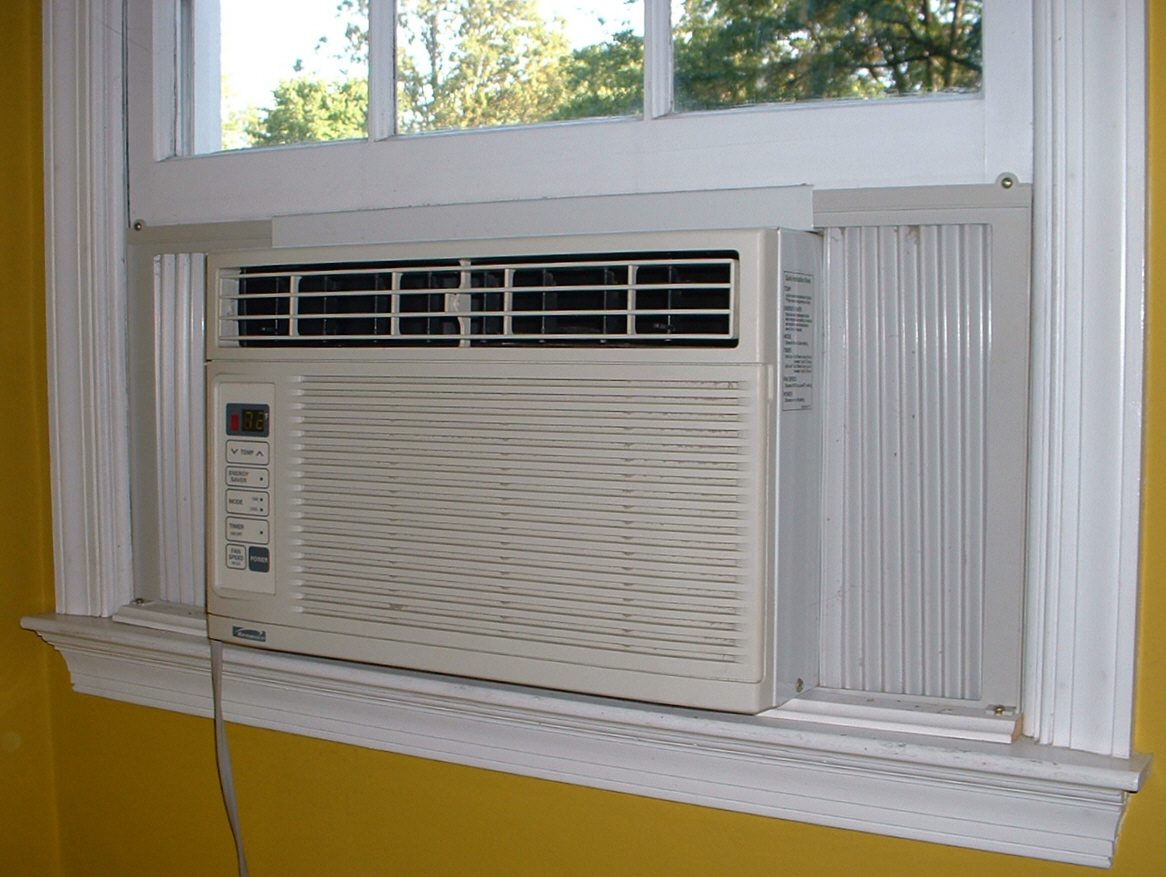
Your air conditioner does not create cold air out of nothing. It moves heat from inside your home to the outside, using refrigerant that circulates between the indoor coil and the outdoor unit. The indoor coil cools the air as it passes over it, the blower pushes that air through the ducts to each room, and the outdoor unit releases the heat it picked up.
That process depends on airflow. If air cannot move freely through the filter, the coil, and the ducts, the system cannot move heat well. Rooms feel less comfortable, the system runs longer, and parts wear faster. Most of the maintenance you can do yourself is about keeping that airflow clear and keeping the outdoor unit free to release heat.
Your manual is the best guide to your specific model. It shows where the filter sits, how the controls work, what care the manufacturer recommends, and which steps tell you to call a professional. Read the maintenance section before you touch anything you are unsure about, and keep the manual with the model and serial numbers for the indoor and outdoor units.
Filters: The Simplest Check With the Biggest Payoff
A clean filter is the most useful thing you can do for your AC. The filter catches dust before it reaches the indoor coil, and a clogged filter chokes airflow through the whole system. When airflow drops, rooms feel less comfortable, the system runs longer, and the indoor coil can even freeze, which can lead to water damage when the ice melts.
Find the filter location in your manual. It may sit in a return grille, in a slot near the indoor unit, or in a filter cabinet. Note the size printed on the edge of the old filter and buy the same size. A filter that is too small lets air slip around it. A filter that is too large will not fit, and forcing it can bend the frame.
Check the filter regularly and change it when it looks dirty, following the guidance in your manual. In Sandy, dust from dry summer conditions and from nearby construction can clog a filter sooner than you expect, and homes with pets or a lot of foot traffic may need more frequent changes. Write the date on the edge of the new filter with a pencil, and keep a spare on hand so a dirty filter never stays in place because you have no replacement.
Airflow, Registers, and the Thermostat
Go from room to room while the AC runs and feel the air coming from each register. It should feel steady and even. A register that barely moves air while the others are strong may have a closed damper, a blockage, or a duct issue behind it. Keep furniture, curtains, and rugs clear of registers and return grilles, and make sure the dampers are open in the rooms you use.
Check the thermostat when the season changes. Make sure it is set to cooling and that the temperature setting is what you expect. If the thermostat runs on batteries, change them on the schedule in its manual. If the display is blank, check the batteries and the breaker before you call for help, and note what you find so you can describe it to the technician.
Pay attention to how the system cycles. A system that turns on and off in quick bursts, or one that runs without stopping on a hot afternoon and still leaves rooms warm, is worth a call. Note when the problem happens, which rooms are affected, and what time of day it is worst. Specific details help a technician find the cause faster than a general complaint that the house feels warm.
The Outdoor Unit in a Utah Summer
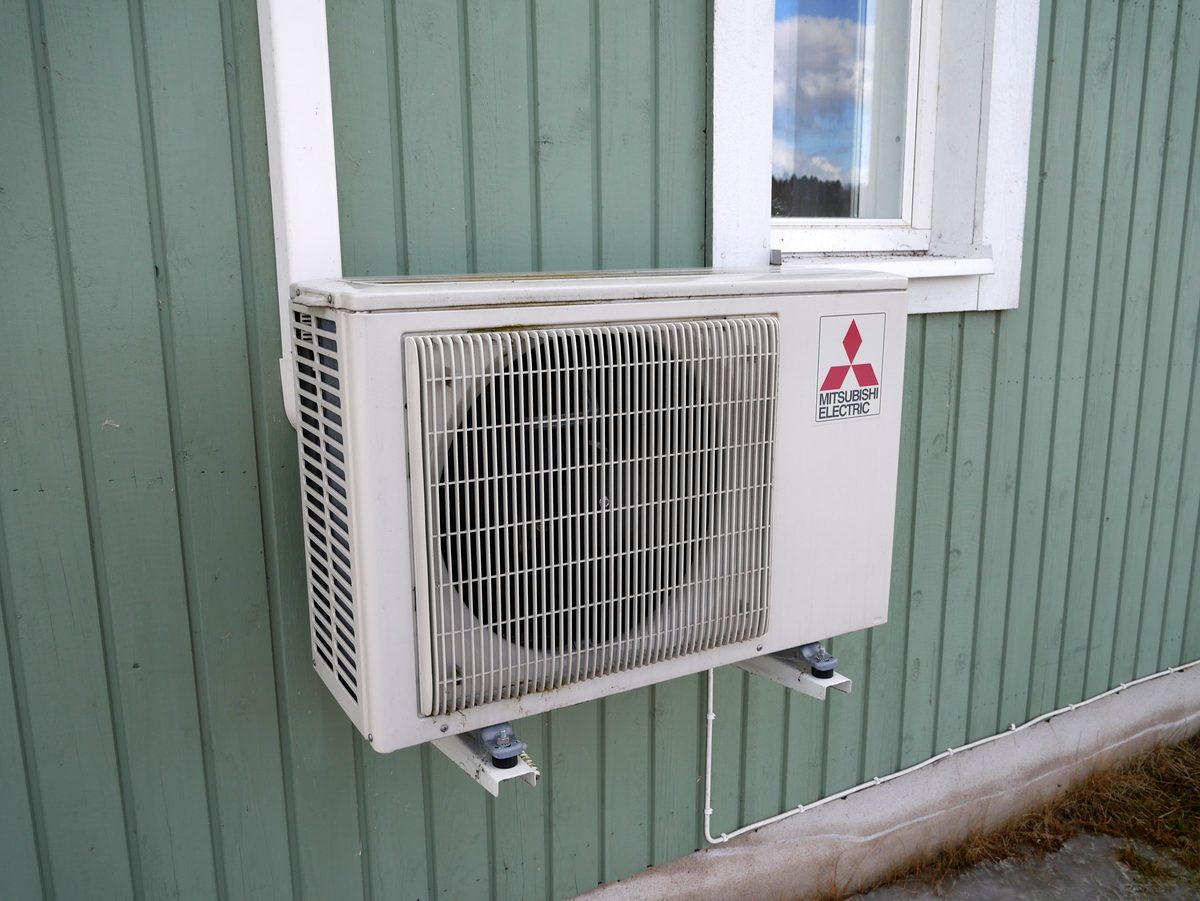
The outdoor unit needs air around it to release the heat it pulls from your home. In a Utah summer, that job is harder, because the unit must shed heat into already warm air. Leaves, grass clippings, and stored items that block airflow make the job harder still. Keep the area around the unit clear, with space on all sides, and trim back shrubs and grass so they do not press against it.
Keep the top of the unit clear of leaves and debris, and check the unit after storms and at the start of the cooling season. Clear debris away gently and look for bent fins or a loose panel. If the unit was hit by falling debris or was under water, do not turn it on until a technician has looked at it.
You can clear debris from around the unit yourself, and, if your manual allows it, you can gently rinse the outside of the coil with a garden hose. Do not open the panels of the outdoor unit, do not hose down the inside, and do not use a pressure washer, which can bend the thin fins. If you are unsure, leave coil cleaning to a professional, who has the right tools and knows how to avoid damage.
What a Professional Should Handle
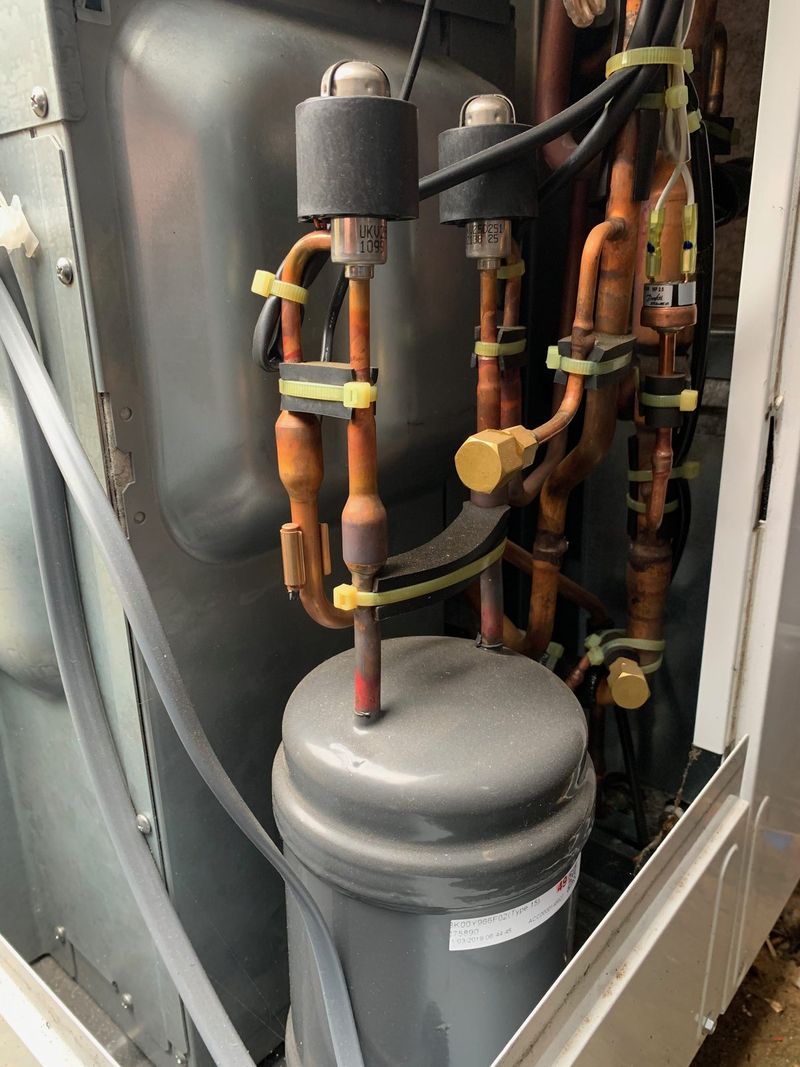
Leave refrigerant work to a trained technician. If the charge is low, something caused it, and a technician needs to find the cause. Adding refrigerant without locating the leak is only a brief fix and can lead to a bigger repair down the road. A technician can check the charge and the pressures and let you know whether the readings look normal for your model.
Electrical checks are another professional job. A technician can check connections, capacitors, and contactors, and can spot a worn part before it fails. Do not open the electrical panel of the outdoor unit or touch wiring inside the indoor unit. If you smell burning or hear a loud electrical buzz, turn the system off at the thermostat and the breaker and call for help.
Coil cleaning, duct inspection, and drain clearing are also professional tasks in most cases. The indoor coil sits in a tight space and is easy to damage. The drain can clog with algae and back up into the home, and in a home in Sandy a backed-up drain can damage ceilings and floors before you notice it. A technician can clean the coil, clear the drain, check the airflow, and give you a written note of what was checked and what was done. Keep that note with your other paperwork, because it builds a history for your system.
Warning Signs to Act On
Some signs mean you should call a technician soon, not wait for the next regular visit. Air from the vents that is barely cool, a system that short-cycles on and off in quick bursts, or a system that runs without stopping and still leaves rooms warm all deserve a call.
Ice on the refrigerant lines or on the indoor coil is another warning sign. Turn the system off and let the ice melt before you call, and do not chip ice off with a tool, because you can damage the coil. Note when the ice appeared and whether the filter was dirty, because that detail helps the technician find the cause.
Water where it should not be is also a warning sign. A puddle near the indoor unit, a stain on the ceiling below the unit, or a drain that backs up can point to a clogged drain or a cracked pan. Turn the system off if water is pooling, and call a technician. Note when the water appeared and whether it happens only when the system runs.
New noises deserve attention too. A grinding, screeching, or banging sound from the indoor or outdoor unit is worth noting, along with when it happens and whether it stops when you turn the system off. That note is more useful to a technician than a general report that the system sounds odd.
A Seasonal Checklist for Sandy
Before the cooling season, change the filter, clear leaves and debris from around the outdoor unit, and check that registers are open and unblocked. Turn the system to cooling on a mild day and check that each room cools evenly. A mild-day test in spring is better than discovering a problem on the first hot afternoon of summer, when technicians are busy with emergency calls.
Through the summer, check the filter on a regular rhythm that fits your home, and check the outdoor unit after storms and after mowing, when grass clippings can collect on the coil. Keep shrubs trimmed back and keep stored items away from the unit, so air can move freely around it on the hottest days.
At the end of the cooling season, change the filter, clear debris from around the outdoor unit, and note anything you observed through the summer: a room that stayed warm, a noise that came and went, or a drain that needed attention. That note helps you and the technician plan the next visit, and it keeps small issues from being forgotten over the winter.
Questions to Ask Your Technician
Make the most of a technician visit by asking questions. Find out what they checked, what they found, and what you should watch for in the coming months. Ask whether the filter size and type you buy are right for your system, and how often the filter should be checked in your home. Ask about clearance around the outdoor unit too, and whether any shrubs or stored items should be moved back.
Ask what to do if the system stops cooling, and who to call after hours. Ask whether the drain is clear and whether the coil needs cleaning. Write the answers down and keep them with the manual.
Ask for a written record of each visit: what was checked, what was cleaned or adjusted, and what was recommended. That record helps the next technician see what has already been done, and it helps you see patterns over time, such as a drain that clogs every summer or a room that always runs warm. An air conditioner that gets regular attention, a clean filter, a clear outdoor unit, and a prompt call when something changes will keep your home in Sandy comfortable through the summer far better than one that is only noticed when it stops working.
Related Guides