Have you ever wondered what happens inside that metal box outside your home when you turn the thermostat down on a hot afternoon? An air conditioner does not create cold air out of nothing. It moves heat from inside your home to the outside, over and over, until the indoor temperature matches the setting you chose. Once you understand that basic idea, the rest of the system starts to make sense.
The process relies on a special fluid called refrigerant. Refrigerant can change from a liquid to a gas and back again at temperatures that suit a home cooling system. As it changes state, it absorbs heat in one place and releases heat in another. Your air conditioner is built around that cycle, with a set of parts that guide the refrigerant through the same loop again and again while you need cooling.
The Basic Idea: Moving Heat, Not Making Cold
Think about a sponge soaking up water and then being squeezed out over a sink. Refrigerant works in a similar way with heat. Inside your home, it soaks up heat from the indoor air. Outside your home, it squeezes that heat out into the outdoor air. The refrigerant itself keeps circulating, so the cycle can repeat as long as the system runs.
This is why an air conditioner can cool a house even when the air outside is much hotter than the air inside. The system is not fighting the outdoor temperature with brute force. It is using pressure and a change of state to move heat uphill, from a cooler place to a warmer place. That takes energy, which is why the outdoor unit has a motor and a fan, but the core job is always the same: pick up heat indoors and drop it off outdoors.
The Four Main Parts of the Cycle
Most home air conditioners have four main parts in the refrigerant loop. Each one has a clear job, and the refrigerant visits them in the same order every time around.
The evaporator coil
The evaporator coil sits inside your home, usually in the indoor unit or in the air handler near the furnace. Cold liquid refrigerant flows into this coil. Warm air from your rooms blows across it, and the refrigerant absorbs heat from that air. As it absorbs heat, the refrigerant turns into a gas. The air that just passed over the coil is now cooler, and the blower pushes it through your ductwork and out of the supply vents in each room.
The evaporator coil also helps with humidity. When warm, moist indoor air hits the cold coil, water vapor in the air turns into liquid on the coil surface. That water drips into a drain pan and flows away through a drain line. This is one reason a running air conditioner can make a home feel less sticky, not just cooler.
The compressor
After the refrigerant leaves the evaporator coil as a gas, it travels through a copper line to the compressor in the outdoor unit. The compressor squeezes the gas, which raises its pressure and its temperature. This step is what makes the whole cycle possible. By making the refrigerant hotter than the outdoor air, the system creates a condition where heat can flow out of the refrigerant and into the air outside, even on a very hot day.
The compressor is the hardest working part of the system and the one that uses the most electricity. When you hear the outdoor unit start up with a hum, that sound is mainly the compressor and the outdoor fan beginning their work.
The condenser coil
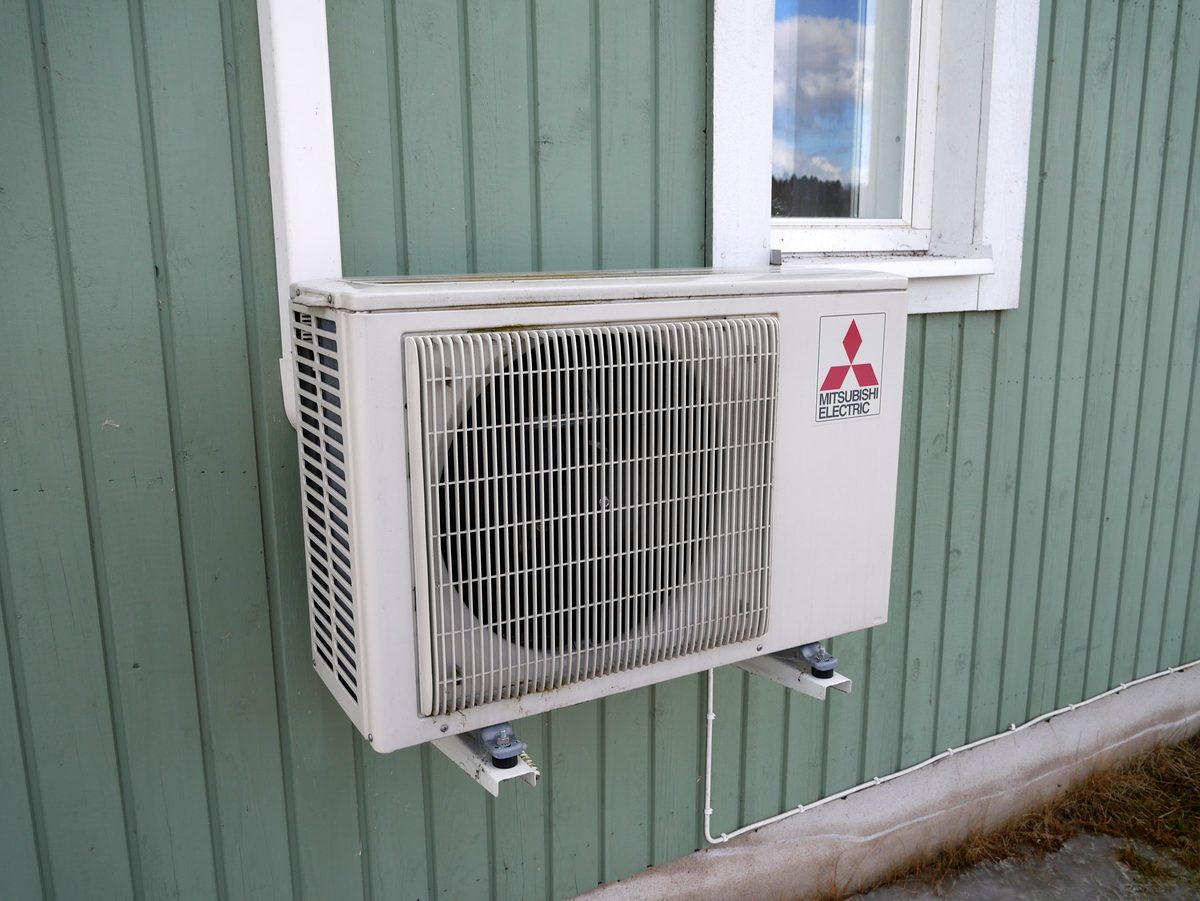
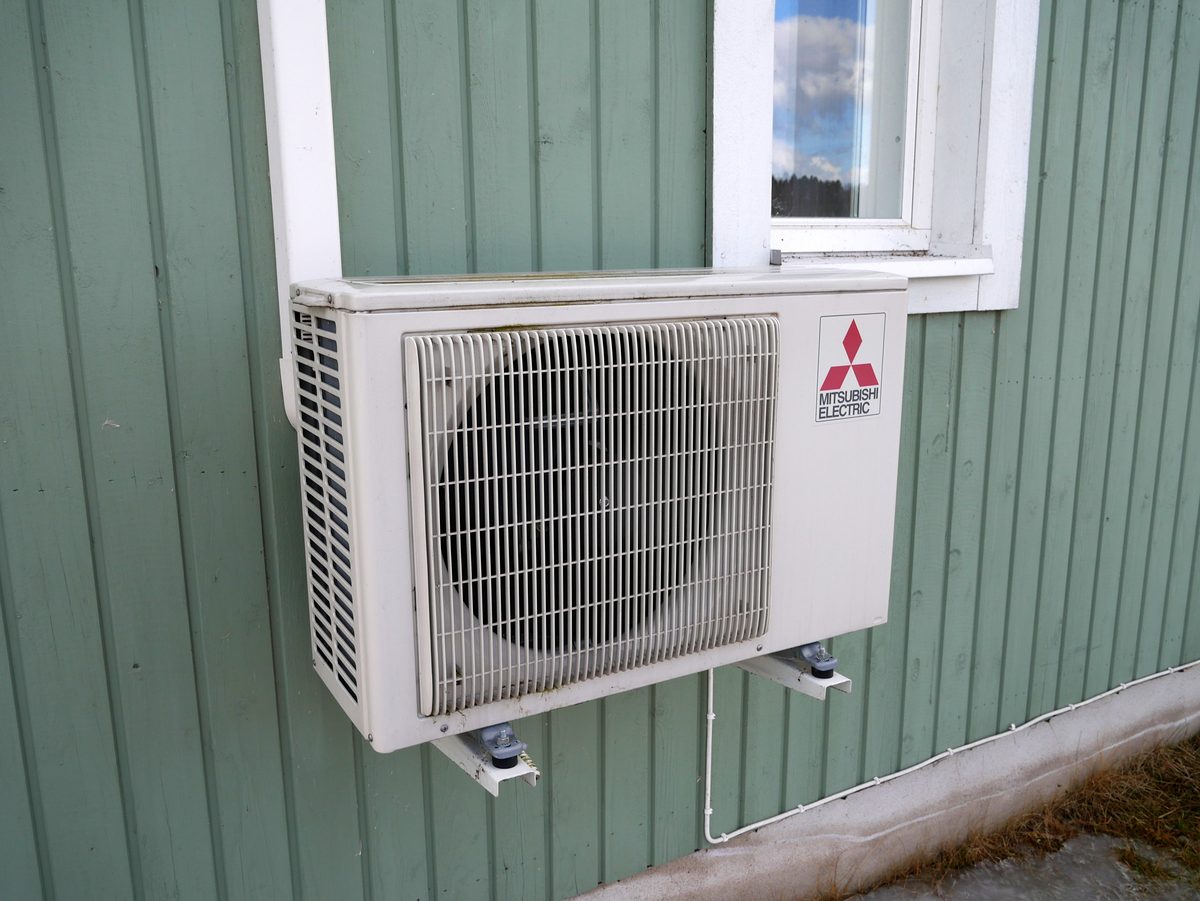
Next the hot, high-pressure gas flows into the condenser coil in the outdoor unit. A fan pulls outdoor air across this coil. Because the refrigerant is hotter than the air passing over it, heat moves out of the refrigerant and into the outdoor air. As it loses heat, the refrigerant turns back into a liquid. That is why the air blowing out of the top of an outdoor unit feels warm while the system runs. The heat it carries came from inside your home.
Keeping the condenser coil clean matters here. Leaves, grass clippings, dirt, and bent fins can block airflow across the coil, which makes it harder for heat to leave the refrigerant. When that happens, the system has to work longer to reach the same indoor temperature.
The expansion valve
The liquid refrigerant then passes through a small device called an expansion valve or metering device. This valve lowers the pressure of the refrigerant sharply. When pressure drops, the refrigerant becomes very cold again, ready to absorb heat at the evaporator coil. From there, the cycle starts over: cold liquid into the indoor coil, heat absorbed, gas to the compressor, heat released outside, liquid back through the valve.
How the Air Moves Through Your Home
The refrigerant loop only handles heat. A separate set of parts handles the air itself. The blower fan, usually in the indoor unit, pulls warm air from your rooms through return vents and return ductwork. That air passes over the evaporator coil, cools down, and is pushed back through supply ductwork to the vents in each room. The cycle repeats until the thermostat is satisfied.
Your thermostat is the control center. It measures the indoor temperature and compares it with the setting you chose. When the indoor air is warmer than the setting, it signals the system to run. When the temperature drops to the setting, it signals the system to stop. A thermostat does not make the air colder by being set lower; it simply tells the system to run longer. Setting it far below the temperature you want will not cool the house faster, it will only keep the system running past the point of comfort.
What Happens on a Normal Cooling Cycle
On a typical summer day, the sequence looks like this. You set the thermostat to a comfortable temperature. The thermostat senses that the indoor air is warmer and calls for cooling. The indoor blower starts, the outdoor compressor and fan start, and refrigerant begins circulating. Warm indoor air crosses the cold evaporator coil and returns to the rooms cooler and drier. Hot refrigerant gives up its heat at the outdoor coil. After a while, the indoor temperature reaches the setting and the thermostat tells the system to stop. The fans and compressor shut off until the house warms up again.
Short cycles and long cycles both tell you something. If the system runs for very short bursts and stops often, it may be oversized for the home, or a control may need attention. If it runs for a very long time without reaching the setting, the cause may be a dirty filter, a blocked outdoor coil, low airflow, a refrigerant issue, or simply an extremely hot day when the system is working at its limit. A filter check is a good first step before you call for service, because a clogged filter restricts airflow across the evaporator coil and reduces cooling in every room.
Why Airflow Matters as Much as Refrigerant
Many cooling problems come down to airflow, not refrigerant. Air has to move freely across both coils for heat to transfer well. A dirty air filter, closed vents, blocked return grilles, crushed ductwork, or a weak blower can all reduce airflow. When airflow drops, the evaporator coil can get too cold and ice can form on it. Ice blocks airflow even further and stops the coil from absorbing heat, so the system keeps running while the house stays warm.
If you ever see ice on the indoor coil or on the copper lines, turn the cooling off and run the fan alone to thaw it, then check the filter. Do not keep running the system while it is iced up. Once it has thawed, a clean filter and open vents may solve the problem. If ice returns, the system needs a technician to check airflow, refrigerant charge, and the blower.
Common Questions Homeowners Ask
Does an air conditioner bring in fresh air from outside? In most home systems, the answer is no. The system recirculates indoor air, cooling the same air again and again. Fresh air enters through normal leakage, open windows, and ventilation systems, not through the air conditioner itself. This is normal and by design.
Why does the outdoor unit blow hot air? That hot air is the heat removed from your home. The condenser fan is pushing it away from the coil so fresh outdoor air can keep passing over the coil and carrying heat away.
Why does water drip from the indoor unit? That is condensation from the evaporator coil, the moisture removed from your indoor air. A drain line carries it away. If water appears where it should not, the drain may be clogged and needs clearing.
Understanding how an air conditioner works helps you spot trouble early, use the thermostat wisely, and talk with a technician in plain terms. The system is a loop: cold refrigerant absorbs heat indoors, the compressor raises its temperature, the outdoor coil releases that heat, and the expansion valve prepares the refrigerant to absorb heat again. Airflow carries the cooled air to your rooms, the thermostat decides when to run, and regular filter changes and a clear outdoor unit keep the whole loop working the way it was designed to.
Related Guides