How do you compare different air conditioners without getting lost in model numbers and sales talk? The answer is to compare the same things, in the same order, for every option. Start with the type of system, then the size for your home, then efficiency, then the features that affect daily comfort, and then the written quotes and the installer behind them. When you use the same checklist for each choice, the differences become clear.
Many buyers start with the brand or the headline price and stop there. That is a weak way to compare, because two systems can carry a similar price and behave very differently in your home. One may be sized correctly with sealed ducts and a good control, while the other is oversized, noisy, and hard to live with. A steady comparison protects you from that outcome.
Start With the Type of System
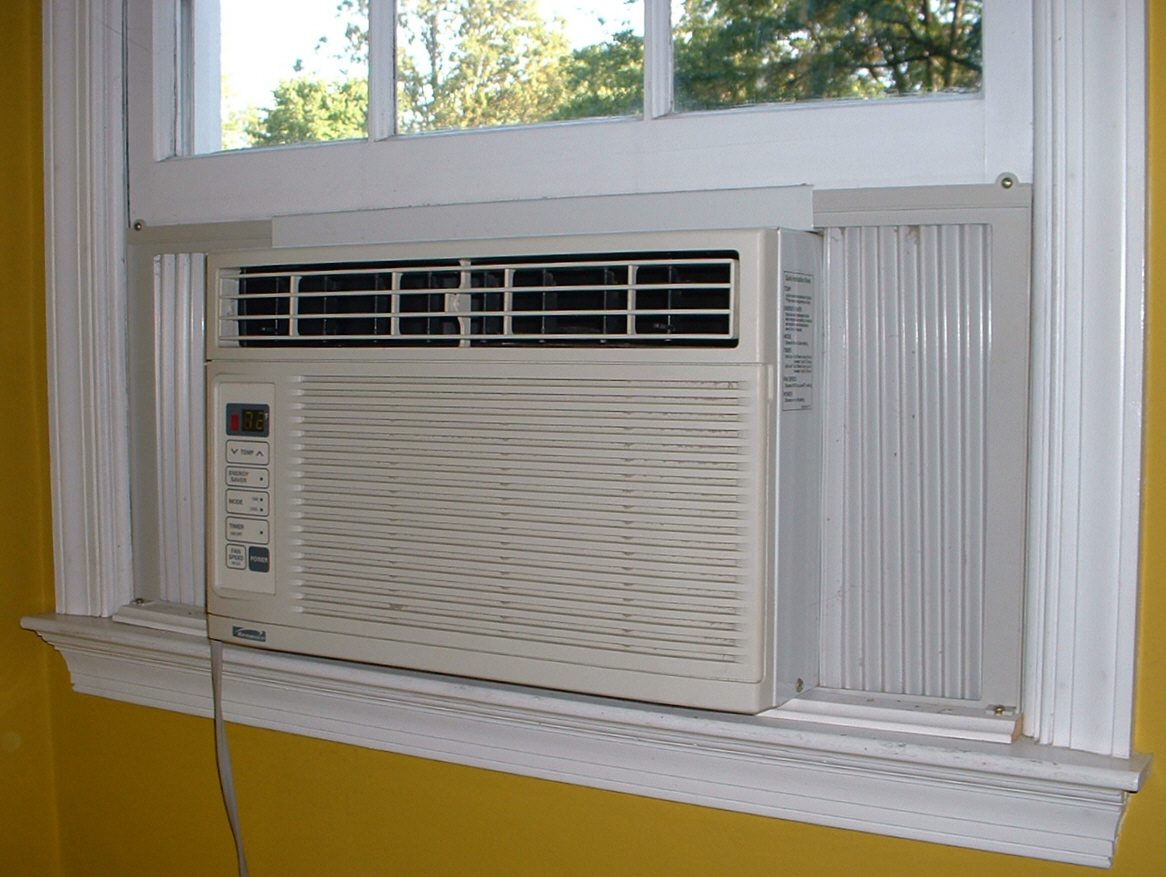
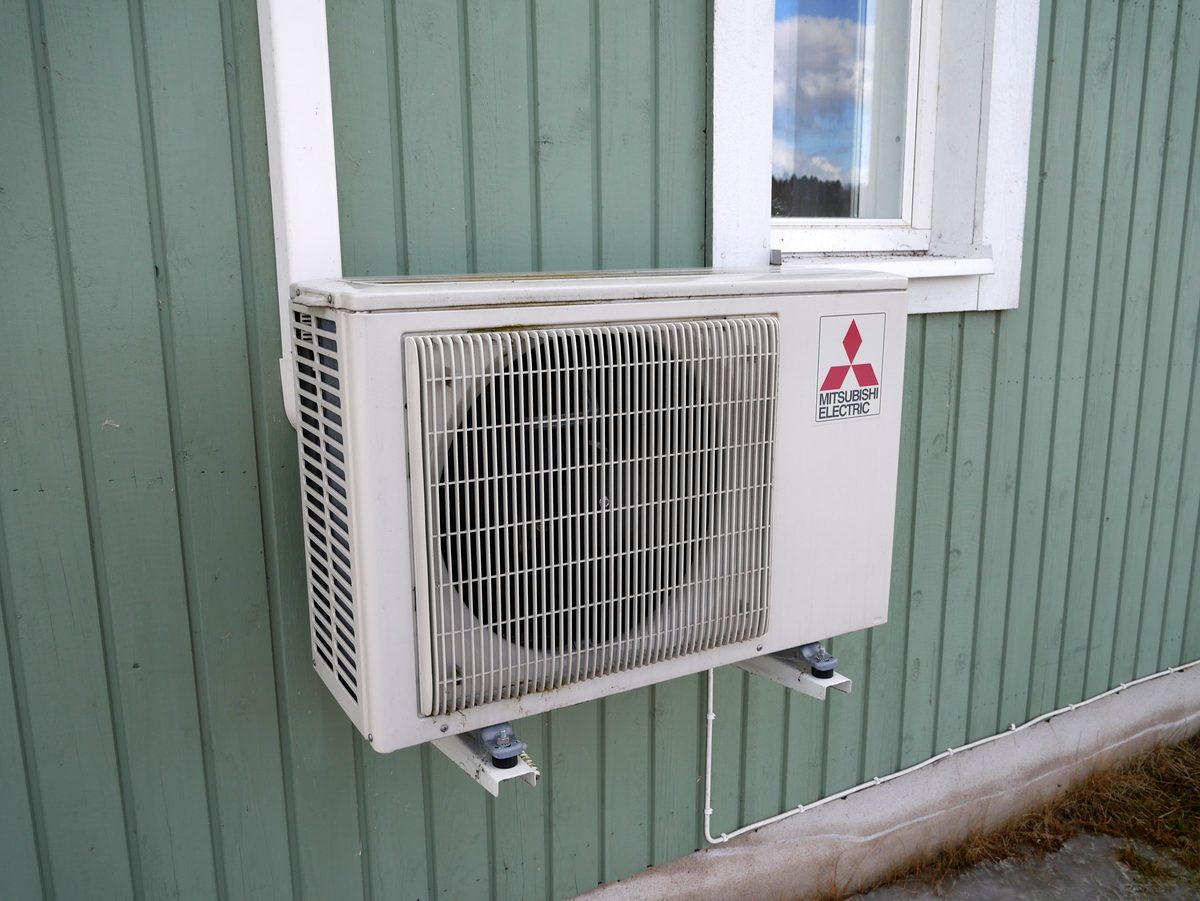
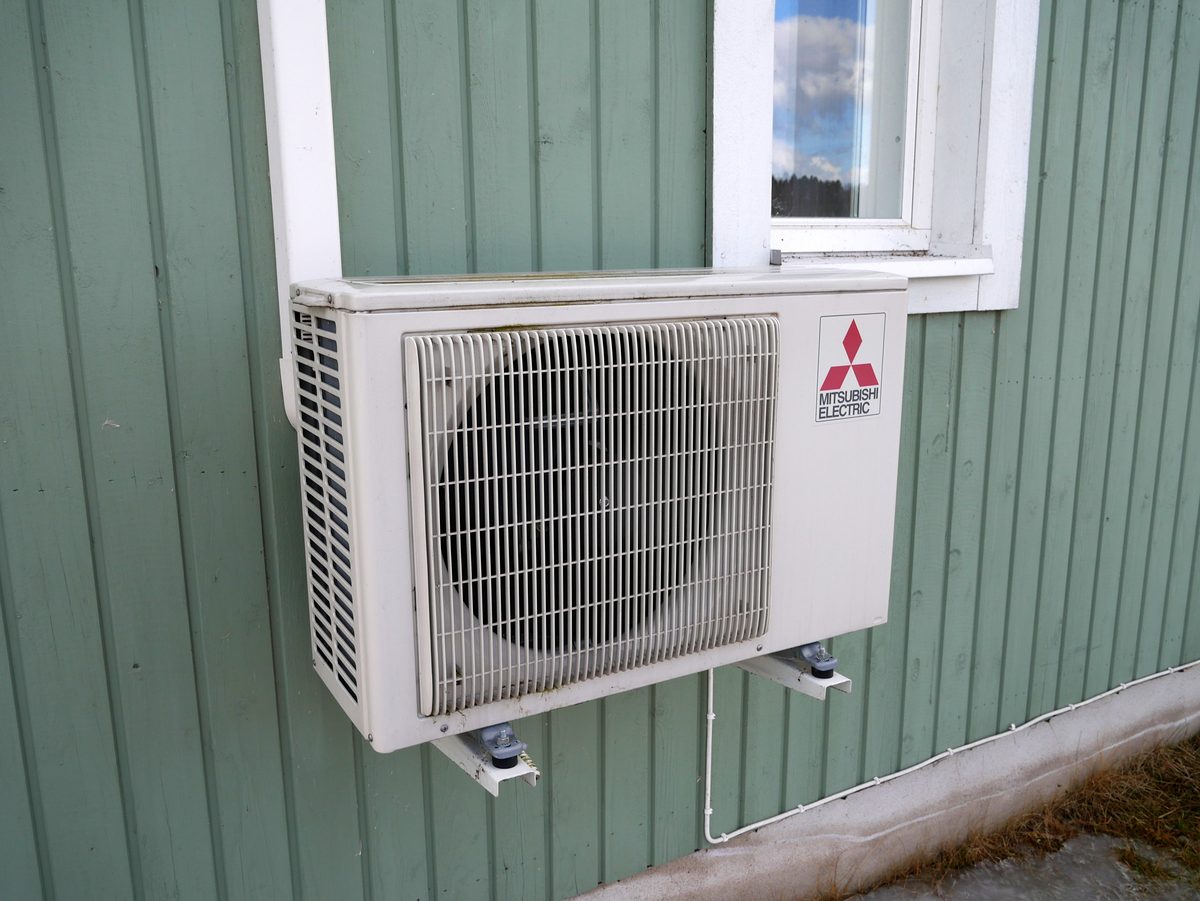
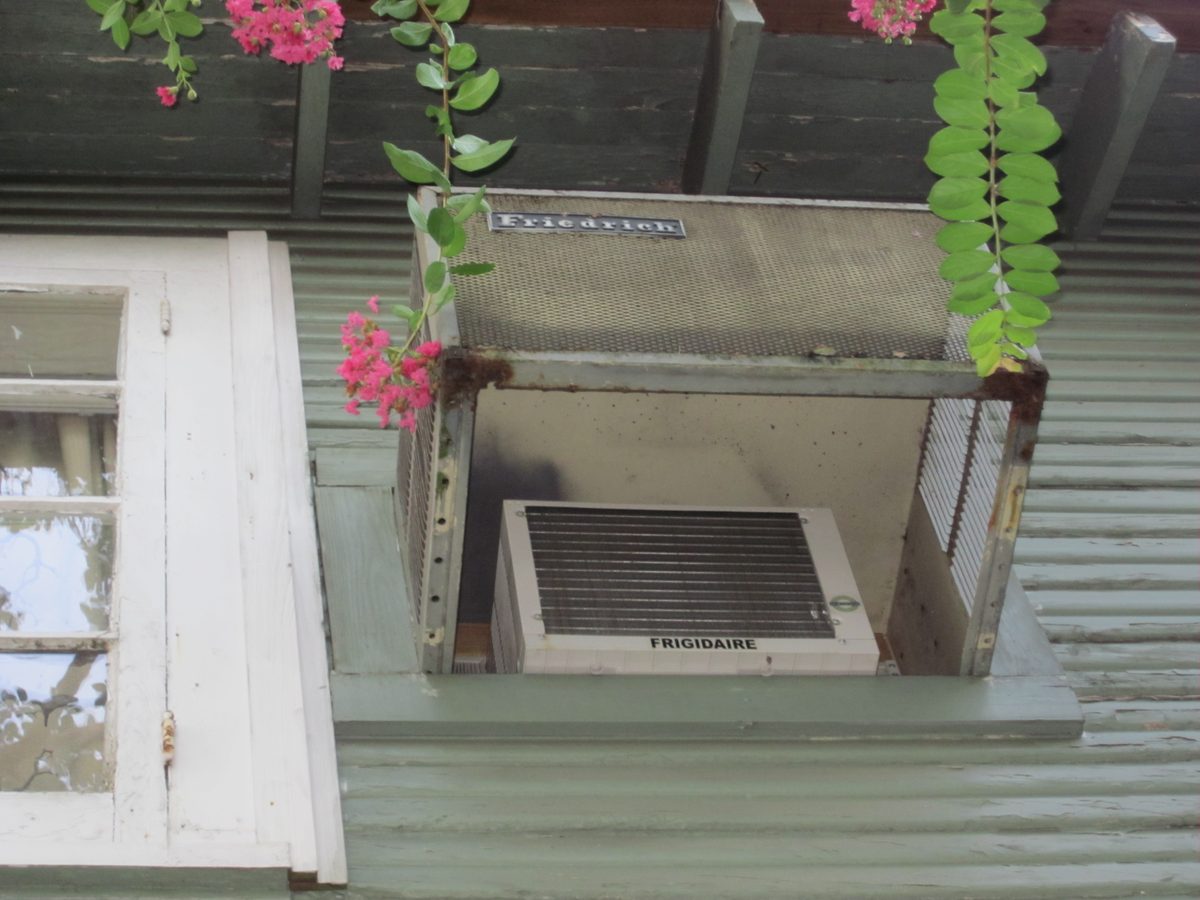
The first choice is the type of system that fits your home. A central system cools the whole home through ducts and one thermostat. A ductless system cools one room or a few rooms directly, with an indoor unit in each space and its own control. A window unit or a portable unit cools a single room and is not part of a whole-home system. A heat pump can cool in summer and heat in winter, using the same refrigerant cycle in reverse for heating.
Your home often narrows this choice for you. If you already have ductwork in good shape, central air is a natural fit. If you have no ducts, a ductless system or a heat pump with indoor units may be more practical than adding ducts through the whole home. If you only need one room cooled, a single ductless unit or a window unit may be enough, and a whole-home system would be more than you need.
Write down the type for each option you consider. Do not compare a central system quote with a ductless quote as if they were the same job. They serve different spaces, need different installation work, and carry different running costs.
Compare Size for Your Home, Not for a Catalog
Size is the next comparison, and it is the one most often skipped. Cooling capacity must match the home. A system that is too large will cool the air quickly, shut off early, and leave the home feeling damp. A system that is too small will run for long hours on hot days and may never reach the setting you chose. Both outcomes feel like a poor purchase, even if the equipment itself is sound.
Ask each bidder how the size was chosen. A sound answer names a load calculation for your home: floor area, ceiling height, insulation, window size and direction, air leakage, and local climate. A weak answer points only to the size of the old system, to a rule based on floor area alone, or to a guess. If two bidders propose different sizes for the same home, ask each one to explain the difference in plain terms. The explanation tells you as much as the number itself.
Compare Efficiency on the Same Scale
Efficiency ratings let you compare models without guessing from the price. Look for the seasonal cooling efficiency rating, which measures cooling output against energy use across a season under test conditions. A higher rating means the model can deliver the same cooling with less energy use in those test conditions. Your actual energy use will still depend on your home, your climate, and how you set the thermostat, but the rating gives you a fair way to rank models.
Compare the rating alongside the type of compressor and blower. A single speed compressor runs at full speed or not at all. A two stage compressor can run at a lower speed for mild days and a higher speed for hot days. A variable speed compressor can adjust in small steps to match the cooling need. Variable speed systems often hold temperatures steadier and run more quietly, and they can remove humidity more evenly, but they also cost more up front and need correct setup.
Do not compare a rating from one type of system with a rating from another type as if they were equal. A ductless rating and a central rating are measured in related but different contexts. Keep the comparison inside one type, and note the rating, the compressor type, and the blower type for each option side by side.
Look at Comfort Features That Affect Daily Life
Features matter because you live with them every day. Fan speed settings affect noise and air movement. A good control lets you set a schedule that matches your routine. A system with a variable speed blower can keep air moving gently between cooling cycles, which can reduce hot and cold spots. Humidity control matters in damp climates, because a system that removes moisture well can make the same temperature feel more comfortable.
Noise is another daily factor. Outdoor units and indoor blowers differ in how loud they are, and the rating for sound can help you compare them. Placement matters too: an outdoor unit near a bedroom window or a patio will be noticed more than the same unit placed away from living spaces. Ask where each bidder plans to place the outdoor unit and the indoor parts, and how they will limit vibration and sound.
Check the filter and service access as well. A filter that is easy to reach gets changed on time. A filter hidden behind furniture or in a tight attic space gets ignored. An indoor unit with clear service access is easier to maintain, and that shows up in the life of the system.
Compare Written Quotes Line by Line
Once you have narrowed the type, size, and efficiency, compare written quotes. A useful quote names the equipment model, the size, the efficiency rating, the thermostat or control, the ductwork or line work included, the electrical work, the drain work, the removal of old equipment, and the warranty terms for parts and labor. If a quote does not name the model or leaves out the ductwork, you cannot compare it fairly with a quote that does.
Ask each bidder to put the full scope in writing, with the same items listed for each option. That includes the work to seal or repair ducts if needed, the placement of the thermostat, the outdoor pad or mounting, and the cleanup after the job. A lower quote that leaves out duct sealing or a new drain line is not the same job as a higher quote that includes them, even if the equipment looks the same.
Cost is driven by more than the equipment. The size of the system, the efficiency level, the type of compressor and controls, the length and condition of the ductwork, the electrical panel and wiring, the location of the outdoor unit, and the amount of labor all affect the total. A quote that explains these drivers in plain terms is easier to trust than one that gives a single number with no breakdown.
Compare the Installer as Well as the Equipment
The installer shapes the result as much as the equipment does. A well sized system can still perform poorly if the ducts leak, the refrigerant charge is wrong, the airflow is not set, or the thermostat is placed badly. Ask each bidder about their experience with your type of home, how they will test airflow and refrigerant after installation, and what they will do if a room stays warm after the job is done.
Ask for references from recent jobs of a similar size, and ask what warranty covers labor as well as parts. Find out who to call if the system has a problem in the first weeks, and how quickly they respond. A clear answer on after-installation support is part of the comparison, not an extra.
A Simple Checklist You Can Use
Use the same list for every option. Note the system type and the rooms it will serve. Note the size and how it was calculated. Note the seasonal efficiency rating, the compressor type, and the blower type. Note the thermostat and the comfort features. Note the sound level and the placement of the outdoor unit. Note the full written scope, including ducts, electrical work, drain work, and removal of old equipment. Note the warranty for parts and labor, and the plan for testing after installation.
When you lay those notes side by side, the best choice is often clear. It may not be the lowest quote or the highest efficiency rating. It is the option where the type fits your home, the size is based on a calculation, the efficiency suits your climate and your use, the features match your daily life, and the written scope and the installer give you confidence that the system will be set up and tested correctly. That is how you compare different air conditioners in a way that holds up after the installation crew leaves.
Related Guides