Do you need cooling and heating for your home but have no room for an indoor unit? A packaged air conditioner might be the answer. Instead of splitting parts between inside and outside, a packaged unit puts the compressor, coils, fan, and controls into one metal cabinet that sits outside your home or on the roof. One set of ducts carries conditioned air in and out, and that is the whole system.
This setup is common in homes with limited indoor space, in small commercial buildings, and in houses where a closet or attic unit would be hard to reach. If you are comparing systems or replacing an old unit, it helps to know how a packaged air conditioner works, what types exist, and what to check before you commit.
What Is a Packaged Air Conditioner?
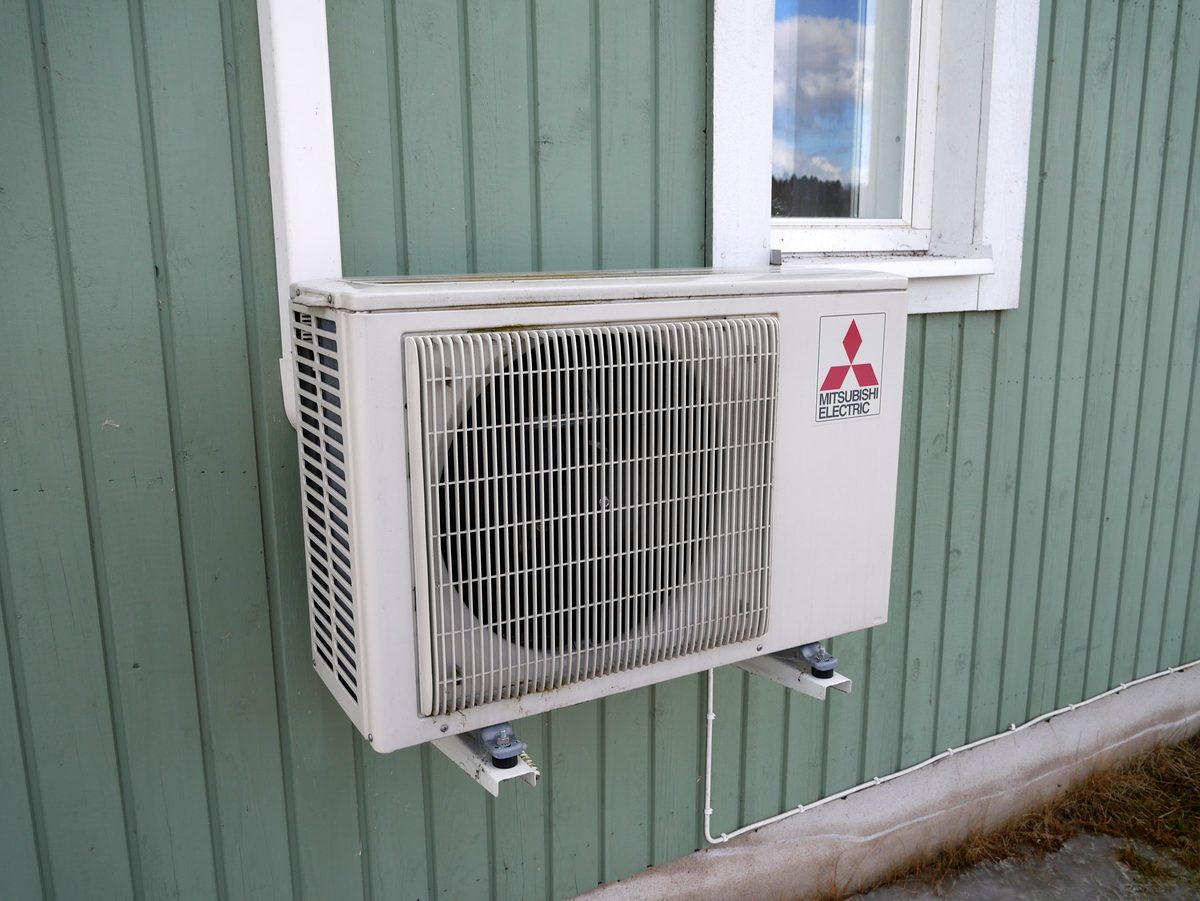
A packaged air conditioner is a self-contained heating and cooling system. Every major part lives in a single outdoor cabinet. The compressor, the condenser coil, the evaporator coil, the blower fan, and the controls are all in that one box. Ductwork runs from the cabinet into your home and delivers cooled or heated air through your vents.
A split system, by contrast, has an outdoor condenser and a separate indoor air handler or furnace. A packaged unit removes the indoor half. That makes it a good fit when your home has no basement, no utility closet, and no attic space for indoor equipment. It also means a technician can reach every part of the system from outside, which can make service visits simpler.
Packaged units are built to stand up to weather. The cabinet is made from coated steel, and the parts inside are arranged so rain drains away and air moves freely around the coils. Even so, the unit needs clear space around it. Keep plants, stored items, and fences away from the cabinet so air can flow and a technician can work.
How a Packaged Unit Works
In cooling mode, the system moves heat out of your home rather than making cold air. Warm air from your rooms travels through the return duct into the unit. It passes over the evaporator coil, where refrigerant absorbs heat from the air. The cooled air is then pushed back into your home through the supply ducts.
The refrigerant carries that heat to the condenser coil, where a fan blows outdoor air across the coil and releases the heat outside. The refrigerant then cycles back to the evaporator coil and the process repeats. Your thermostat tells the system when to run and when to stop, based on the temperature you set.
In heating mode, the process depends on the type of unit you have. A packaged heat pump reverses the cycle and pulls heat from outdoor air into your home. A packaged gas and electric unit burns gas in a burner to warm the air directly. A packaged unit with electric heat strips warms the air as it passes over heated elements. Each approach heats your home, but they use different fuel and behave differently in cold weather.
Types of Packaged Units
Not every packaged unit does the same job. The main types are packaged air conditioners, packaged heat pumps, packaged gas and electric units, and dual fuel packaged units. Knowing the difference helps you match the system to your climate and your home.
- Packaged air conditioner: Cools your home in summer and pairs with electric heat strips for winter warmth. A straightforward choice in mild climates.
- Packaged heat pump: Cools in summer and heats in winter by moving heat in and out. It can also use backup heat strips on very cold days.
- Packaged gas and electric unit: Cools with electricity and heats with a gas burner. A strong choice where gas service is available and winters get cold.
- Dual fuel packaged unit: Combines a heat pump with a gas furnace. The heat pump handles mild weather and the gas burner takes over when outdoor temperatures drop.
Ask your contractor which type fits your area. A heat pump can struggle on the coldest days in a northern climate, while a gas unit may be more than you need in a warm coastal region. The right type depends on your winter lows, your fuel options, and how your home is built.
Where a Packaged Unit Fits Best
Packaged units suit homes where indoor space is tight. If your home sits on a slab with no basement, or if the attic is too low for equipment, a packaged unit keeps everything outside. They are also common in manufactured homes, in small offices, and in single-story buildings with a flat roof.
They work best when your ductwork is in good shape and easy to reach. Because the unit connects to your ducts at one point, short and well-sealed ducts help the system deliver air evenly. Long duct runs, crushed sections, or leaks can waste energy and leave some rooms too warm or too cold.
A packaged unit is less ideal when you need heating and cooling in separate zones, or when your home has no ductwork at all. In those cases, a ductless system or a zoned split system may be a better match. Your contractor can look at your home and tell you which layout makes sense.
Sizing and Ductwork
Size matters more than brand. A unit that is too large will cool your home fast and shut off before it removes enough moisture from the air, leaving rooms clammy. A unit that is too small will run all day on hot afternoons and still fall behind. The right size comes from a load calculation that looks at your square footage, insulation, windows, ceiling height, and local climate.
Do not pick a size by guessing or by copying the old unit. Homes change over time. New windows, added insulation, or a room addition all change how much heating and cooling you need. Ask for a written load calculation before you approve a replacement.
Ductwork deserves the same attention. Have your contractor inspect the ducts for leaks, loose joints, and poor insulation. Sealing and insulating ducts can make a real difference in comfort, and it is far easier to fix duct problems while a new unit is being installed than after the job is done.
What to Check Before You Buy
Before you sign anything, work through a short checklist. It will help you compare quotes fairly and avoid surprises after installation day.
- Ask for a load calculation in writing, not a rule-of-thumb estimate.
- Confirm the unit type matches your climate and fuel supply.
- Check that the quote includes duct inspection and sealing where needed.
- Ask about the warranty on parts, the compressor, and the heat exchanger.
- Confirm the thermostat you will get and whether it works with the unit.
- Ask who handles permits and what the inspection covers.
- Get the full cost in writing, including removal of the old unit.
Compare at least two quotes from licensed contractors. A much lower bid may skip ductwork, permits, or a proper load calculation. A clear written quote protects you and shows that the contractor has thought through the job.
Installation Basics
Installation usually takes a day. The crew removes the old unit, sets the new cabinet on a level pad or roof curb, connects the ducts, wires the controls, and charges the refrigerant. They should test the system in both heating and cooling modes before they leave, and they should walk you through the thermostat and the filter location.
Placement matters. The unit needs level ground, good drainage, and clear airflow on all sides. If the old pad has sunk or cracked, ask for a new one. A unit that sits at an angle can drain poorly and wear out parts early. Keep the area around the cabinet free of leaves, mulch, and stored items.
Keeping a Packaged Unit Running Well
Regular care keeps a packaged unit efficient and extends its life. Change or clean the filter on the schedule in your manual, usually every month or two during heavy use. A clogged filter chokes airflow, strains the blower, and can freeze the evaporator coil.
Keep the outdoor coil clean. Hose off dirt and grass clippings gently, and trim back plants so air can move around the cabinet. Inside, keep supply vents open and unblocked by furniture or rugs so air can circulate through every room.
Book a professional tune-up once a year, ideally before the cooling season. A technician can check refrigerant levels, clean the coils, test the controls, and catch worn parts before they fail. Yearly service also keeps your warranty in good standing with many manufacturers.
Signs of Trouble
Call a contractor if you notice warm air from the vents on a cooling day, short cycles where the unit turns on and off every few minutes, ice on the cabinet or the refrigerant lines, a sharp rise in your energy bill, or new noises such as grinding, rattling, or squealing. Water pooling around the base can point to a blocked drain, and a burning smell needs attention right away.
Do not open the sealed refrigerant system yourself. Refrigerant work needs licensed tools and training, and a leak is not fixed by adding more refrigerant. A technician can find the leak, repair it, and recharge the system to the correct level.
Questions to Ask Your Contractor
Good questions lead to a better install. Ask how the unit size was calculated, what duct repairs are included, how the old unit will be removed and recycled, and what maintenance the warranty requires. Ask how long the job will take and what happens if the inspection finds a problem. A contractor who answers clearly and in writing is usually a contractor you can trust with the job.
A packaged air conditioner is a simple idea done well: one cabinet, one connection to your ducts, and year-round comfort. Match the type to your climate, size it with a real calculation, keep the ducts sealed, and service it every year. Do those things and your packaged unit will serve your home quietly and reliably for years.
Related Guides