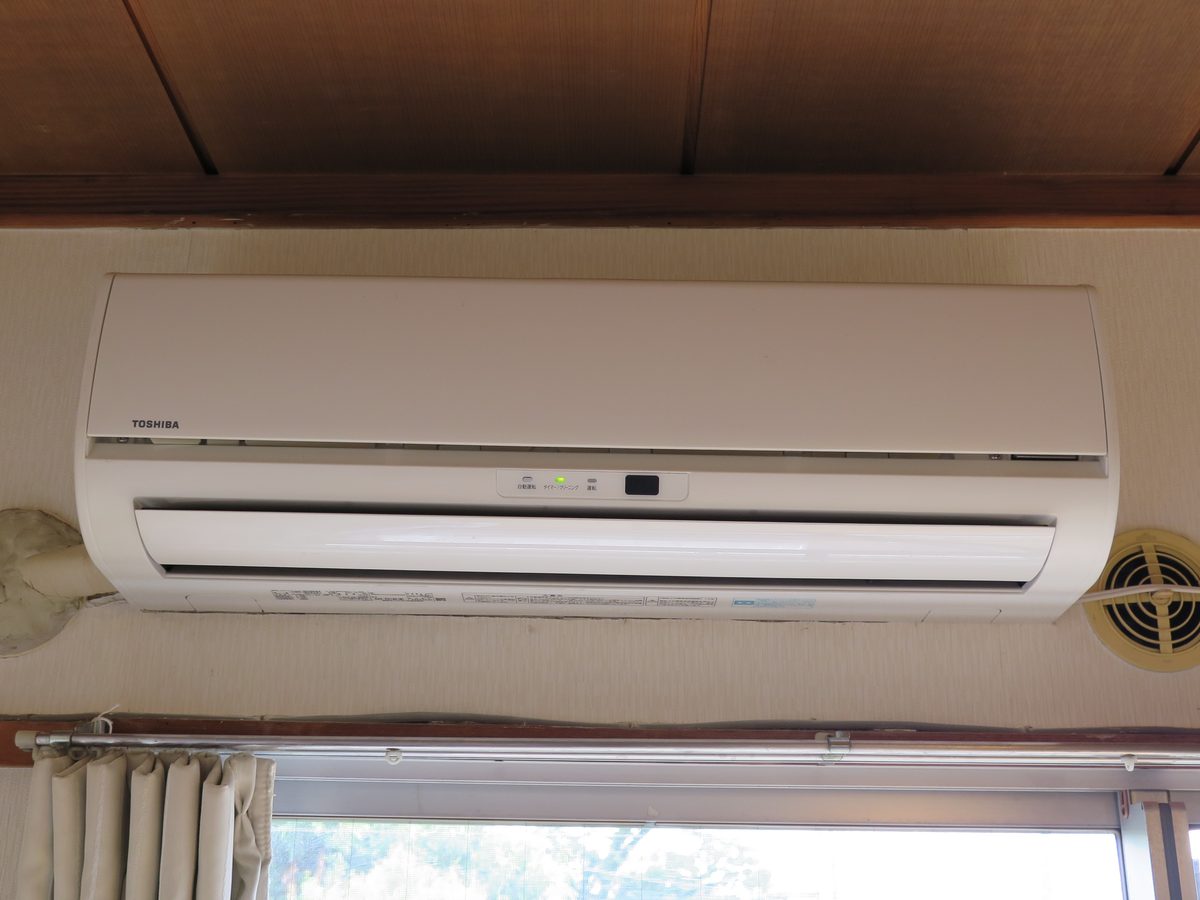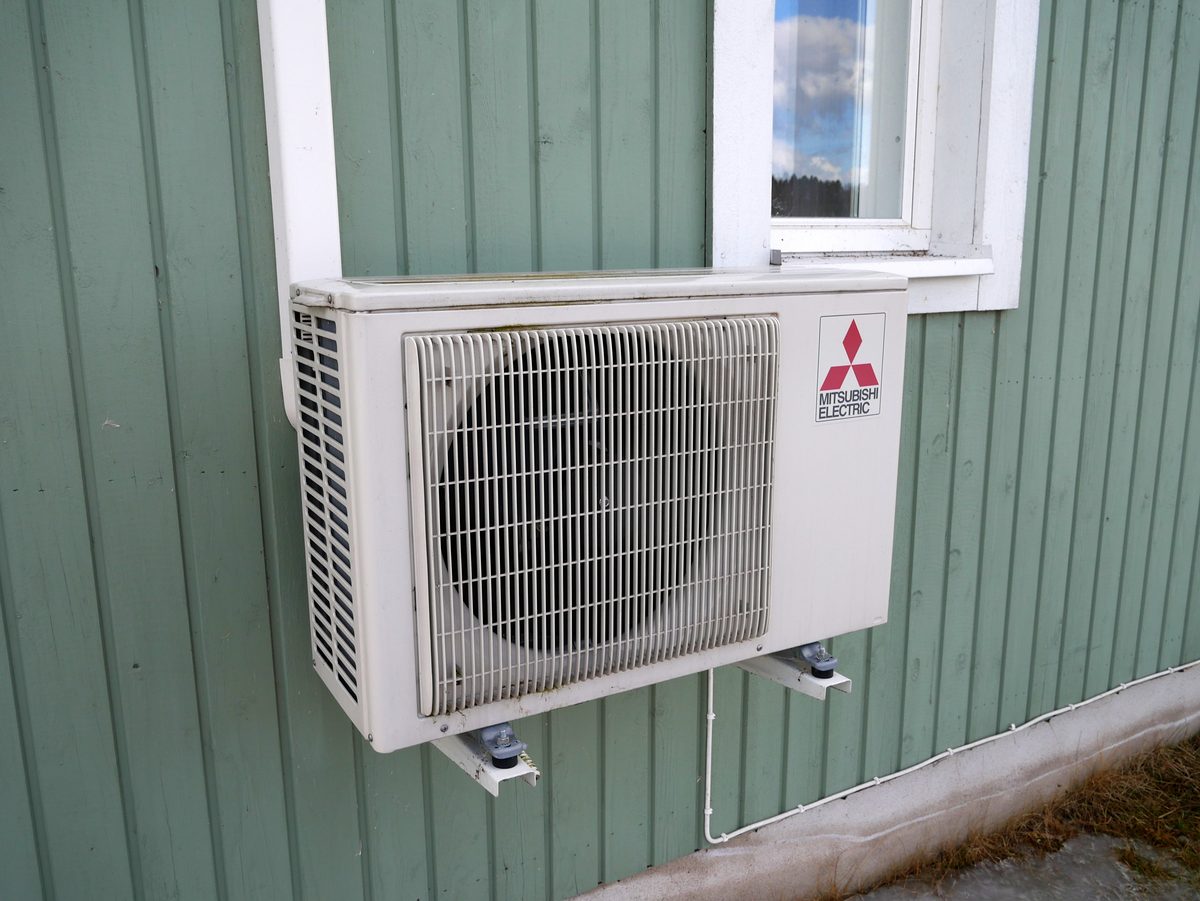
How do ductless air conditioners work? If you have seen a slim unit mounted high on a wall in a single room, with a small box outside, you have likely seen one. A ductless system cools a room directly, without the network of ducts that a central system uses. It still moves heat from inside to outside with refrigerant, but it delivers the cooled air right where the indoor unit sits.
Ductless systems are often chosen for rooms that have no ductwork, for additions, for converted garages or attics, and for homes where one room always feels warmer or cooler than the rest. They can cool one room or several rooms, depending on how the system is set up. The basic idea stays the same in every case: an indoor unit cools the air in its room, and an outdoor unit releases the heat outside.
What Ductless Means
The word ductless describes the delivery method, not the cooling method. A central system sends cooled air through ducts to vents in many rooms. A ductless system skips the ducts entirely. The indoor unit is the vent. It sits in the room it serves, pulls in the room air, cools it, and blows it back into the same room.
This direct approach has a clear trade. It avoids the heat loss and air loss that can happen in ductwork, especially ducts that run through hot attics or crawl spaces. At the same time, each indoor unit only serves the space around it. Cooling a whole house with ductless units usually means installing more than one indoor unit, each with its own control.
The Main Parts of a Ductless System
A ductless system has fewer visible parts than a central system, but each part has a clear role. The indoor and outdoor units are connected by a small set of lines that pass through a hole in the wall.
The indoor unit
The indoor unit is the part you see and hear inside the room. It is usually mounted high on a wall, though floor-mounted and ceiling-mounted models also exist. Inside it are a fan, a coil, a filter, and controls. The fan draws room air in through the front, passes it over the cold coil, and blows cooled air back into the room. A louver or flap can direct that air across the room, and many units let you adjust the direction and the fan speed.
The indoor unit also has a remote control or a wall control. You can set the temperature, the fan speed, and the mode from the remote, which makes it easy to adjust cooling for one room without changing the rest of the house. The filter inside the indoor unit needs regular cleaning, because dust on the filter reduces airflow and cooling in that room.
The outdoor unit
The outdoor unit is smaller than the outdoor unit of many central systems, but it does similar work. It holds the compressor, the condenser coil, and a fan. The compressor raises the pressure and temperature of the refrigerant gas that comes from indoors. The condenser coil releases heat into the outdoor air, and the fan moves warm air away from the unit. The refrigerant then returns indoors as a liquid, ready to absorb heat again.
One outdoor unit can serve one indoor unit, or it can serve several indoor units in different rooms. In a multi-room setup, each indoor unit has its own refrigerant lines and its own control, while they share the outdoor compressor unit. This lets you cool a bedroom at night while leaving a living room unit off, or cool two rooms at different settings.
The connecting lines
The indoor and outdoor units are joined by refrigerant lines, a power cable, and a drain line, bundled together and passed through a small hole in the exterior wall. The refrigerant lines carry the fluid between the units. The drain line carries away the water that condenses on the indoor coil as it removes moisture from the room air. Because the bundle is narrow, installation usually needs only a small opening, which is one reason ductless systems suit older homes and additions.
How the Refrigerant Cycle Works Without Ducts
The refrigerant cycle in a ductless system follows the same four steps as in any air conditioner. Cold liquid refrigerant enters the indoor coil and absorbs heat from the room air, turning into a gas. The compressor in the outdoor unit squeezes the gas, raising its pressure and temperature. The hot gas flows through the outdoor coil, where a fan helps release the heat into the outdoor air and the refrigerant turns back into a liquid. An expansion device lowers the pressure of the liquid, making it cold again before it re-enters the indoor coil.
The difference is in the air path. Instead of a blower pushing air through ducts to distant rooms, the indoor unit fan moves air within the room itself. Room air is drawn in, cooled at the coil, and blown back out. The cycle repeats until the room reaches the temperature set on the remote. Because the air travels only a short distance, the system can respond quickly when you change the setting.
How One Room Stays Comfortable
When you turn on a ductless unit, the indoor fan starts and the outdoor unit begins its work. The coil inside the room gets cold, the fan moves room air across it, and cooled air flows out into the room. The sensor in the indoor unit or in the remote watches the room temperature. When the room reaches your setting, the system slows down or stops the compressor and the fan runs at a low speed or stops, depending on the model.
Many ductless systems can adjust their speed rather than simply switching fully on or fully off. The compressor can run faster when the room is warm and slower as the room nears the setting. This steady adjustment can keep the temperature more even and avoid the sharp on and off cycles you sometimes notice with older systems. It also helps with humidity, because the coil stays cool enough to keep removing moisture while the system runs at a low speed.
Cooling More Than One Room
A single-room system has one indoor unit and one outdoor unit. A multi-room system, sometimes called a multi-zone system, has two or more indoor units connected to one outdoor unit. Each indoor unit serves its own room or zone and has its own control, so a bedroom can be cooler than a living room, or one room can be off while another runs.
Multi-room setups need planning. The outdoor unit must be sized for the total cooling load of all the indoor units that may run at once. The refrigerant lines must reach each indoor unit, and each drain line must have a clear path for water to flow away. A room that is far from the outdoor unit or on another floor can still be served, but the layout affects the length of the lines and the placement of the units.
When a Ductless System Makes Sense
Ductless systems are a good fit in several common situations. A room addition may have no duct connection to the main system. A converted attic, basement, or garage may need cooling on its own. A home with hot water heat or another system without ducts may have no way to add central air without major work. A single room that faces the afternoon sun may need extra cooling beyond what the central system provides.
They are less suited as a direct replacement for central air in a large home with many rooms, unless you plan for several indoor units. Each indoor unit cools its own space, and air does not flow freely between rooms with closed doors. If you want every room cooled at once, count the rooms and the indoor units needed, and compare that plan with the cost and work of adding or repairing ductwork.
Keeping a Ductless System Working Well
Care for a ductless system is mostly about filters, airflow, and the outdoor unit. Clean the indoor filters often, following the maker guidance for your model, because a dusty filter cuts airflow in that room right away. Keep the front of the indoor unit clear so air can enter and leave without obstruction. Wipe the louvers when dust builds up, and check the drain for signs of water where it should not be.
Outside, keep the outdoor unit clear of leaves, grass, and stored items. Do not block the fan or the coil with plants or a cover that traps air. Listen for new noises from either unit, and note if one room stops cooling while the others still work. That pattern can point to a problem with a single indoor unit, its control, or its refrigerant line, rather than the whole system.
A ductless air conditioner works by the same heat-moving cycle as any air conditioner, with a simpler delivery path. The indoor unit cools the air in its own room, the outdoor unit releases the heat outside, and the lines between them carry refrigerant and drain water away. No ducts are needed, each room can have its own control, and regular filter cleaning keeps the air moving. For the right room or the right home, that direct approach is what makes ductless cooling practical.
Related Guides