Have you ever stayed in a hotel room and noticed a boxy unit under the window with its own controls? That is a packaged terminal air conditioner, usually called a PTAC. It heats and cools one room on its own, without ducts and without a central system. If you manage a hotel, an apartment building, a school, or a care facility, you have probably seen dozens of them. If you are thinking about one for a sunroom, a rental unit, or an addition, it helps to know exactly what a PTAC is and how it works.
A PTAC is a self-contained unit that mounts through an exterior wall. It pulls in outdoor air for ventilation, conditions the air in the room, and exhausts heat outside. Each room gets its own unit and its own thermostat, so one guest can run the air while the next room stays warm. That independence is the whole point of the design.
What a PTAC Is
A packaged terminal air conditioner is a single-piece heating and cooling unit built to fit through a wall sleeve. The sleeve is a metal box set into the wall during construction or added later. The PTAC slides into the sleeve from inside the room, and a grille on the outside wall covers the back of the unit.
Everything the unit needs is inside that one chassis: a compressor, a condenser coil, an evaporator coil, fans, a heater, and controls. There is no outdoor condenser, no indoor air handler, and no ductwork. Power comes from a dedicated outlet or a wired connection near the unit, and a condensate drain carries away moisture that collects during cooling.
PTACs are sized for one room, not a whole home. They are common in hotels, motels, apartment buildings, dorm rooms, assisted living facilities, and offices where each room needs separate control. They also show up in home additions, converted garages, and sunrooms where running new ducts would be costly or impractical.
How a PTAC Works
In cooling mode, a PTAC works like a small window air conditioner built into the wall. Warm room air is drawn in through the front grille and passes over the evaporator coil. Refrigerant inside the coil absorbs heat from the air, and the cooled air is blown back into the room. The refrigerant then moves to the condenser coil at the back of the unit, where a fan pushes outdoor air across it and carries the heat outside.
In heating mode, the method depends on the unit. Many PTACs use electric resistance heat, where air passes over heated elements before entering the room. Others are heat pump models that reverse the cooling cycle and draw heat from outdoor air into the room. Some units pair a heat pump with electric backup heat for cold days, and some connect to a hot water coil supplied by a building boiler.
Most PTACs also bring in a small amount of fresh outdoor air. A vent control on the unit lets you open or close the fresh air intake. That feature matters in hotels and care facilities, where fresh air helps keep rooms from feeling stuffy, but it also adds to the heating or cooling load, so it is often kept closed in extreme weather.
PTAC vs Window Air Conditioner
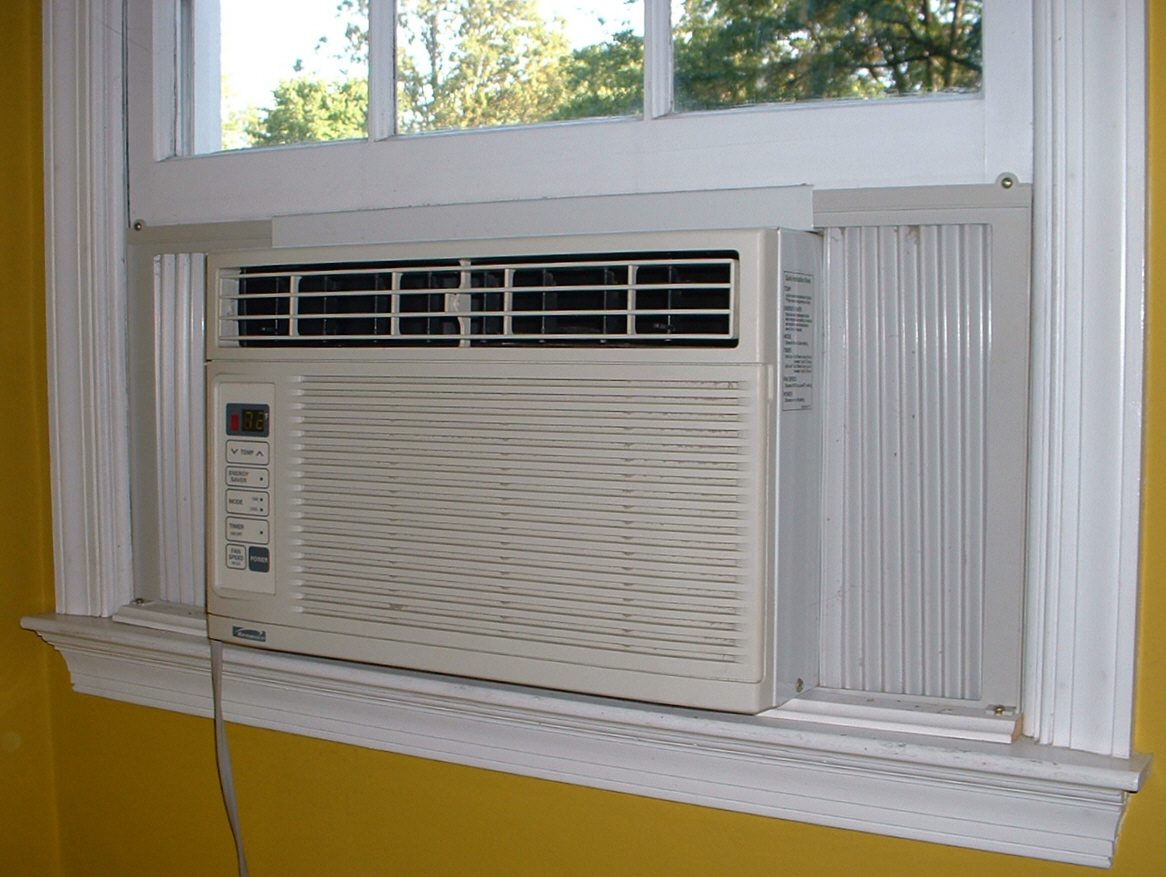
A PTAC and a window air conditioner look similar, but they are built for different jobs. A window unit sits in a window opening and is meant to be temporary or seasonal. A PTAC is a permanent installation in a wall sleeve, built to run for years in a commercial setting.
PTACs are usually quieter and sturdier than window units, and they heat as well as cool. They also vent through the wall rather than blocking a window, so the room keeps its natural light and its window stays usable. The trade-off is cost and installation: a PTAC needs a wall opening, a sleeve, a power supply, and a drain, which is more work than sliding a window unit into place.
PTAC vs Mini Split
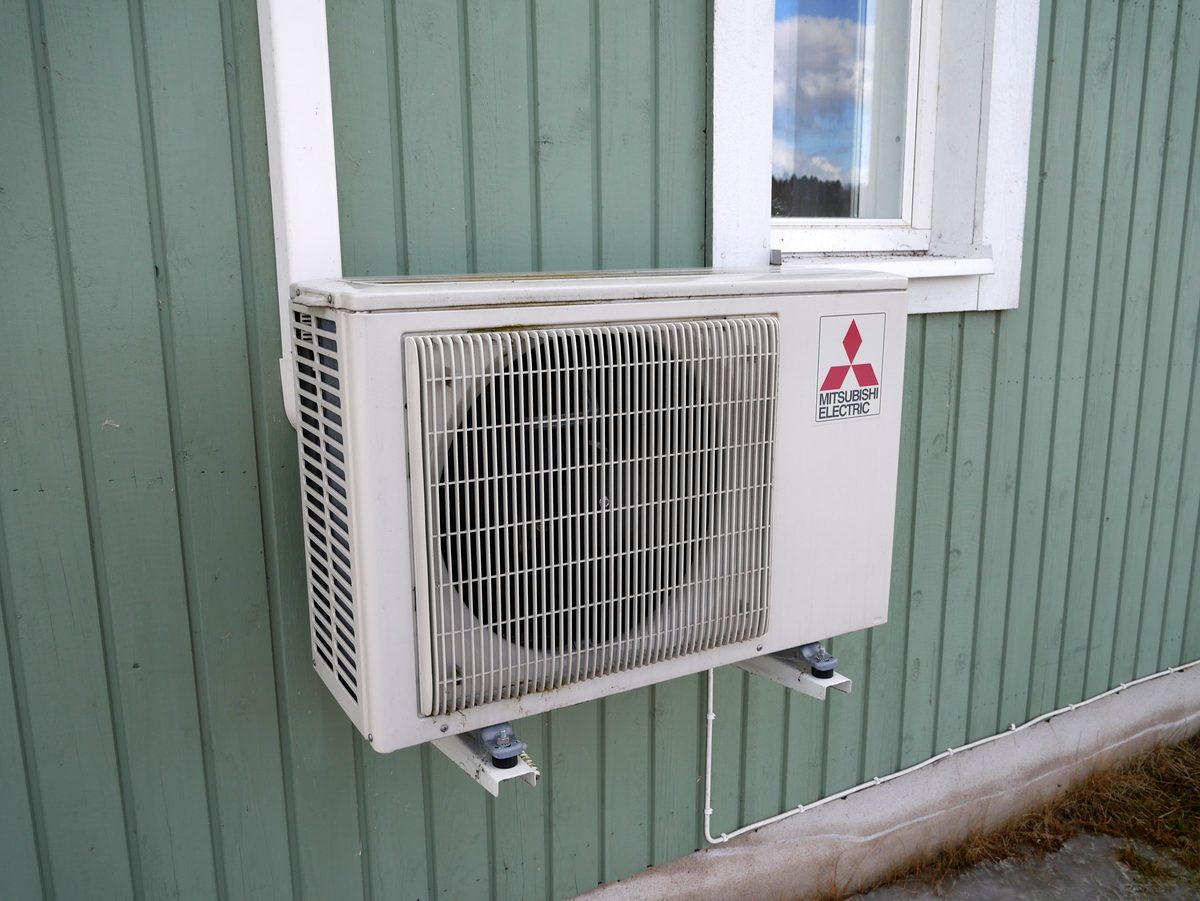
A ductless mini split is the other common choice for single-room comfort. A mini split has an outdoor condenser and a quiet indoor wall unit connected by refrigerant lines. It is usually more efficient and much quieter than a PTAC, and it can heat well in cold weather.
A PTAC wins on simplicity and cost. There are no refrigerant lines to run, no outdoor unit to place, and no need for a licensed installer to charge the system in many cases. For a hotel with a hundred rooms, that simplicity adds up. For a single room in a home, a mini split often gives better comfort and lower running costs, so it is worth comparing both before you decide.
Common PTAC Features
Modern PTACs come with features that make them easier to live with and manage. Not every unit has all of these, so check the list when you shop.
- Digital controls: A built-in panel or wall thermostat with clear temperature settings and fan speeds.
- Heat pump mode: Heats by moving heat from outside air, which can use less energy than electric resistance heat in mild weather.
- Fresh air vent: Brings in outdoor air when you want ventilation in the room.
- Dehumidify mode: Runs the fan and compressor to pull moisture from the air without overcooling the room.
- Energy management: In hotels, a central system or occupancy sensor can set back the temperature in empty rooms.
- Quiet operation: Better insulation and fan design keep noise down, which matters most in bedrooms.
If you manage a building, ask about units that work with your energy management system. Remote control and scheduling can cut waste across many rooms without asking guests or tenants to change their habits.
Where PTACs Make Sense
PTACs make the most sense when each room needs its own control and ductwork is not practical. Hotels are the classic case: every guest sets their own temperature, and a problem in one unit never takes down the whole building. The same logic applies to apartments, dorms, and care homes.
In a house, a PTAC fits a room that your central system cannot reach well. A converted garage, a room over the garage, a sunroom with lots of glass, or a new addition can all be hard to heat and cool through existing ducts. A PTAC gives that room its own system without rebuilding your ductwork.
PTACs are less ideal as the main system for a whole house. Each unit only serves one room, so heating a full home would mean a unit in every room, with higher running costs and more maintenance than a central system. They are a room solution, not a house solution.
Installation Basics
Installing a PTAC starts with the wall sleeve. The opening must be level, properly sealed, and sized to the sleeve. A sleeve that tilts the wrong way can let rain in or trap condensate inside the wall. The sleeve should sit slightly tilted toward the outside so water drains out, not in.
Power is the next question. Many PTACs need a dedicated circuit with a specific plug type, so check the electrical requirements before you buy. A unit wired to a shared circuit can trip breakers when the heater and other appliances run at the same time. If your building has a boiler, a hydronic PTAC needs a hot water connection as well.
After the unit slides in, the installer should seal around the sleeve, check the drain, test heating and cooling, and show you how to change the filter and use the controls. A clean install with good sealing prevents drafts, water damage, and wasted energy for years.
Maintenance a PTAC Needs
PTACs are easy to neglect because each one is small, but regular care keeps them quiet and efficient. Clean or replace the filter every month during heavy use. A dirty filter cuts airflow, makes the fan work harder, and can freeze the coil in cooling mode.
Vacuum the front grille and wipe down the coils you can reach. Check the condensate drain for clogs, especially in humid weather, and make sure water is not pooling under the unit. Once a year, have a technician inspect the refrigerant system, test the heater, and clean the coils and drain pan thoroughly.
In a building with many units, keep a simple log for each room: filter changes, service dates, and any complaints. A pattern of problems in one room often points to a sleeve, drain, or power issue rather than a bad unit, and a log helps you spot it early.
Common Problems and Fixes
A PTAC that will not start may have a tripped breaker, a loose plug, or a thermostat set to the wrong mode. Check those first. A unit that runs but does not cool may have a dirty filter, a blocked grille, or low refrigerant, and low refrigerant needs a technician to find and fix the leak.
Water leaking into the room often means a clogged drain or a sleeve that tilts inward. Musty smells usually come from a dirty drain pan or a filter that has been in place too long. Loud rattling can mean a loose grille, a bent fan blade, or debris caught in the fan. Turn the unit off and call for service if you hear grinding or smell burning.
A PTAC is a practical tool: one room, one unit, one set of controls. It will never match a central system for whole-house comfort, but for a hotel room, an apartment, or a hard-to-reach addition, it does the job simply and reliably. Choose the right heat type, install the sleeve level and sealed, keep the filter clean, and your PTAC will give that room years of steady comfort.
Related Guides