Are you shopping for a PTAC and wondering which one to buy? With so many sizes, heat types, and features on the market, it is easy to pick the wrong unit and only find out when the room stays cold or the electric bill climbs. This guide walks you through the choices in plain language, so you can pick a PTAC that fits your room, your climate, and your building.
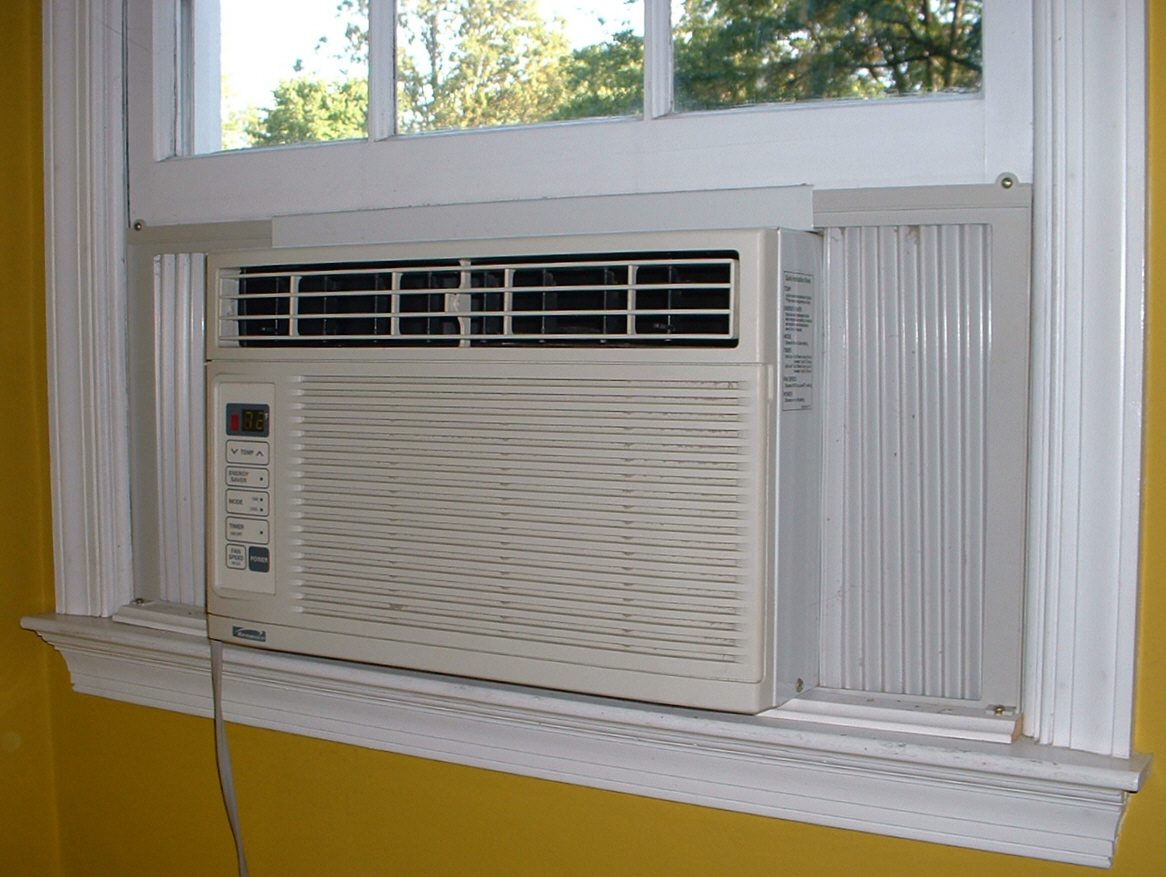
A PTAC is a through-the-wall unit that heats and cools a single room. It lives in a metal wall sleeve, plugs into a dedicated power supply, and works without ducts. Hotels use them by the hundreds, but they also serve apartments, offices, classrooms, and home additions. The buying process is the same in every case: measure the room, know your heat options, check the power, and plan for upkeep.
Start With the Room
Before you look at any model, measure the room you need to condition. Length, width, and ceiling height all matter, and so do the windows. A sunny room with large west-facing windows needs more cooling than a shaded room of the same size. A room with poor insulation or a drafty exterior wall needs more heating.
Count the people who use the room and the heat they add. A hotel room for two is one thing; a classroom, a small office with computers, or a sunroom full of glass is another. Kitchens and rooms with heat-producing equipment add load too. A contractor or a supplier can run a simple load estimate from your measurements and help you avoid a unit that is too small for the space.
Also look at the wall where the unit will go. You need an exterior wall with room for a sleeve, a power outlet or wired connection nearby, and a path for condensate to drain. If the wall already has a sleeve from an old unit, measure it. Sleeves come in standard sizes, and matching the old sleeve can save you a wall rebuild.
Choose the Right Heat Type
Cooling works the same way in almost every PTAC, but heating is where the choices split. Picking the right heat type is the most important decision in this guide, because it shapes your running costs and your comfort in winter.
- Electric resistance heat: Simple and reliable. Air passes over heated elements. It works in any climate but uses the most electricity for heat, so it suits mild winters or rooms used only now and then.
- Heat pump: Moves heat from outdoor air into the room instead of making heat from scratch. It runs more efficiently than resistance heat in mild weather and switches to backup heat when outdoor air gets very cold.
- Heat pump with electric backup: The most common hotel setup. The heat pump handles most winter days and the backup elements take over on the coldest nights.
- Hydronic heat: Uses hot water from a building boiler. A good fit for buildings that already heat water centrally, and it can be very comfortable, but it needs water piping to each unit.
If your winters are mild, a heat pump PTAC is usually the smart pick. If your winters are long and cold, resistance heat or a boiler-fed hydronic unit may serve you better. Ask your supplier what similar buildings in your area use, and match the choice to your climate, not to a brochure.
Get the Size Right
A PTAC that is too large cools the room fast and shuts off before it pulls moisture from the air, leaving the room cool but damp. A PTAC that is too small runs all day in summer and never catches up. Either mistake costs you comfort and money.
Use a load estimate, not a guess based on room size alone. Insulation, windows, sun exposure, ceiling height, and the number of people in the room all change the answer. If you are replacing an old unit, do not assume the old size was right. Buildings change, windows get replaced, and insulation gets added. A fresh estimate takes little time and prevents years of poor comfort.
When you compare models, look at the cooling and heating capacity in the product details and match both to your estimate. A unit can cool well and still fall short on heat, especially a heat pump in a cold climate. Check both numbers before you buy.
Check Power and Plug Type
PTACs run on dedicated circuits, and the plug type must match the outlet. Some units run on standard household voltage and others need a higher-voltage circuit. Buying a unit with the wrong plug is a common and avoidable mistake.
Before you order, check the voltage and plug shape your room already has, or ask an electrician what circuit the room can support. If you are replacing a unit, the new one should match the existing outlet unless you plan to rewire. Keep the model details and the outlet details side by side when you order, and confirm them twice.
Also confirm the drain setup. Condensate from cooling has to go somewhere. Most sleeves drain to the outside, but some installations use an internal drain. A blocked or missing drain leads to water on the floor and damage to the wall, so make sure the plan covers it.
Features Worth Paying Attention To
PTAC features have improved a lot in recent years. A few are worth seeking out, especially if the unit will run in a bedroom or a guest room where noise and control matter.
- Quiet fan design: Look for units built with sound-dampening insulation and a fan that can run low and steady rather than cycling loudly.
- Digital thermostat: Clear temperature control with a wall thermostat option gives guests and tenants an easy, familiar control.
- Dehumidification: A dry mode helps in humid climates by pulling moisture from the air without making the room too cold.
- Fresh air intake: Lets you bring in outdoor air when you want it, with a control to close it in extreme weather.
- Energy management compatibility: In hotels and apartments, units that talk to a central system can set back empty rooms and cut waste.
- Easy filter access: A filter you can reach and clean in a minute is a filter that actually gets cleaned.
Skip features you will not use. A unit in a rarely used guest room does not need the same controls as one in a busy office. Spend your attention on noise, heat type, and size, because those shape daily comfort the most.
Installation Checklist
A good install matters as much as a good unit. Use this checklist when the work is done, whether you hired it out or did it with a licensed installer.
- The sleeve is level and tilted slightly toward the outside so water drains out.
- The sleeve is sealed around the edges with no gaps for drafts or rain.
- The unit slides in snugly and the front grille sits flush with the wall.
- The power connection matches the unit and the breaker is labeled.
- The condensate drain is clear and water flows away from the wall.
- Heating and cooling both run and reach the set temperature.
- The filter location and the controls are shown to the person who will use the room.
If you are replacing many units in a building, do one room first and check it for a week before ordering the rest. That trial run catches sleeve, power, or drain problems while they are still cheap to fix.
Daily Use and Care
Day to day, a PTAC asks little of you. Set a steady temperature rather than swinging the thermostat up and down, and use the fan setting that fits the room. A low steady fan is often quieter and more comfortable than a high fan that cycles on and off.
Clean the filter every month in heavy use and at least every few months in light use. Vacuum the front grille and wipe the surfaces you can reach. Keep curtains and furniture away from the front of the unit so air can move freely into the room.
At the start of each season, run the unit in both heating and cooling mode for a short test. Listen for new rattles or grinding, check for water under the unit, and note any smell that does not clear after a few minutes. Catching a problem at the season change beats finding it on the hottest or coldest night of the year.
When to Repair or Replace
A PTAC that is more than a decade old, needs frequent repairs, or cannot hold temperature may cost more to keep than to replace. Newer units run quieter and use energy more efficiently, and a fresh warranty gives you cover for the first years.
Repair makes sense for simple problems: a worn fan motor, a clogged drain, a faulty thermostat, or a dirty coil. Call a technician for refrigerant work, electrical faults, or a compressor that will not start. Keep a record of each repair and its date, so you can see when a unit has crossed from reliable to troublesome.
Choosing a PTAC is not hard once you break it into steps: size the room, pick the heat type for your climate, match the power, and plan for filter care. Get those four right and the unit will do its job quietly in the background, room after room, season after season.
Related Guides