Is your heating and cooling system struggling to keep up in Lexington, and are you wondering whether a new installation is the right move? That question comes up in many homes, usually after a breakdown, a repair bill, or a season of uneven temperatures. A new system can solve those problems, but only if the design fits your home and the installation is done with care. This guide helps you think through the decision step by step, so you can choose with confidence.
Begin with what your home is telling you. Note which rooms are too hot or too cold, whether the system runs in short bursts or never seems to stop, and whether you hear rattling, banging, or a blower that sounds strained. Write down the age of your current equipment if you know it, and keep a note of recent repairs. Those details help an installer judge whether a repair makes sense or whether a full replacement will serve you better over the long run.
Repair or replace: how to think it through
A repair can be the right call when the system is fairly new, the problem is isolated, and the rest of the equipment is in good shape. A replacement deserves a closer look when breakdowns keep coming back, when parts are hard to find, or when the system cannot keep your home comfortable even after repairs. Ask an installer to explain the condition of the major parts, such as the heat exchanger, compressor, blower, and controls, and to put the repair option and the replacement option side by side so you can compare them on the same terms.
Think about comfort, not only about whether the system still runs. A system that runs but leaves bedrooms cold at night or makes the living room humid in summer is not doing its full job. A new installation gives you a chance to fix duct leaks, add a return vent, or improve airflow in a problem room. Ask each installer what comfort issues the new design would address, and how you would know after the install whether those issues are fixed.
What a new system can look like
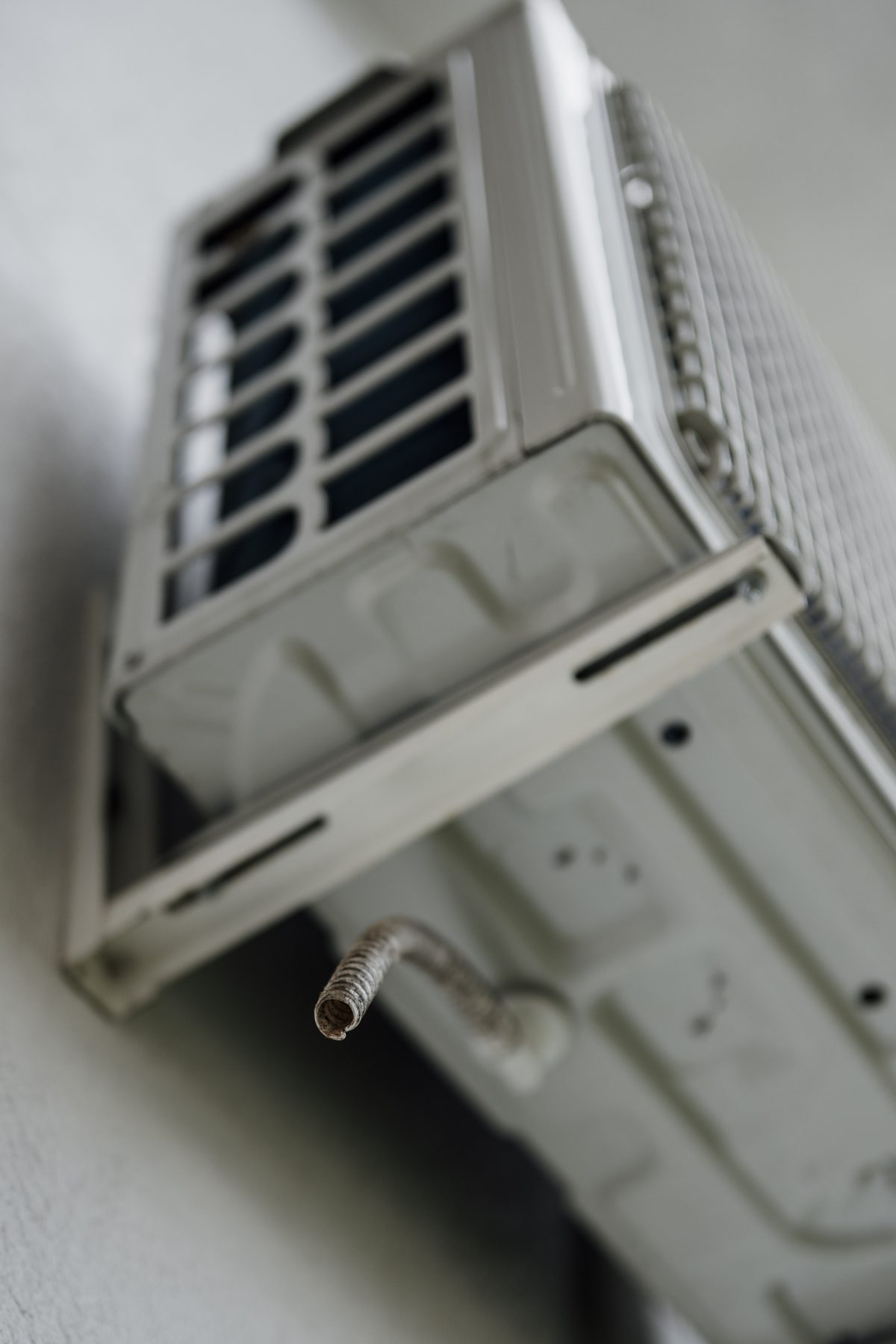
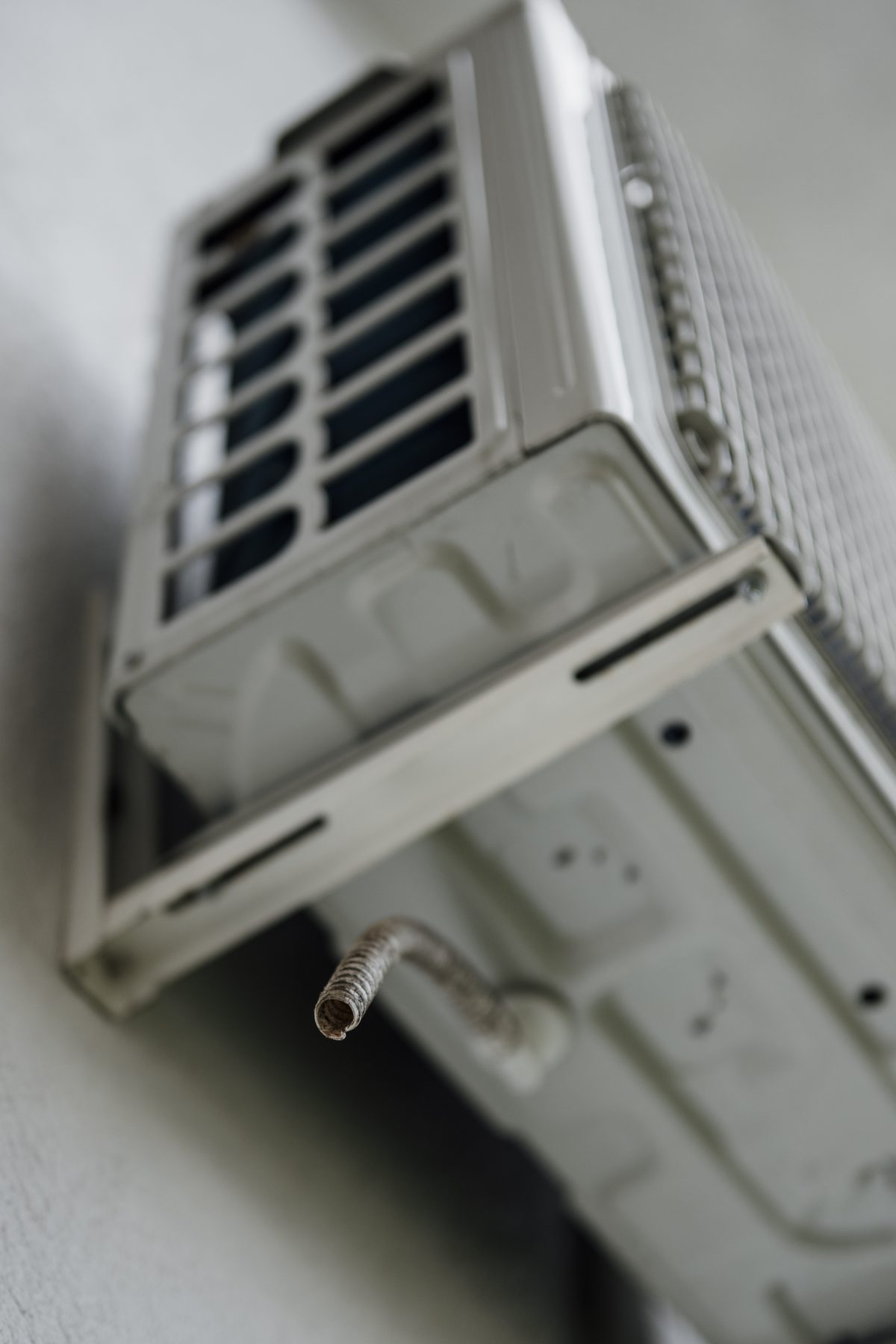
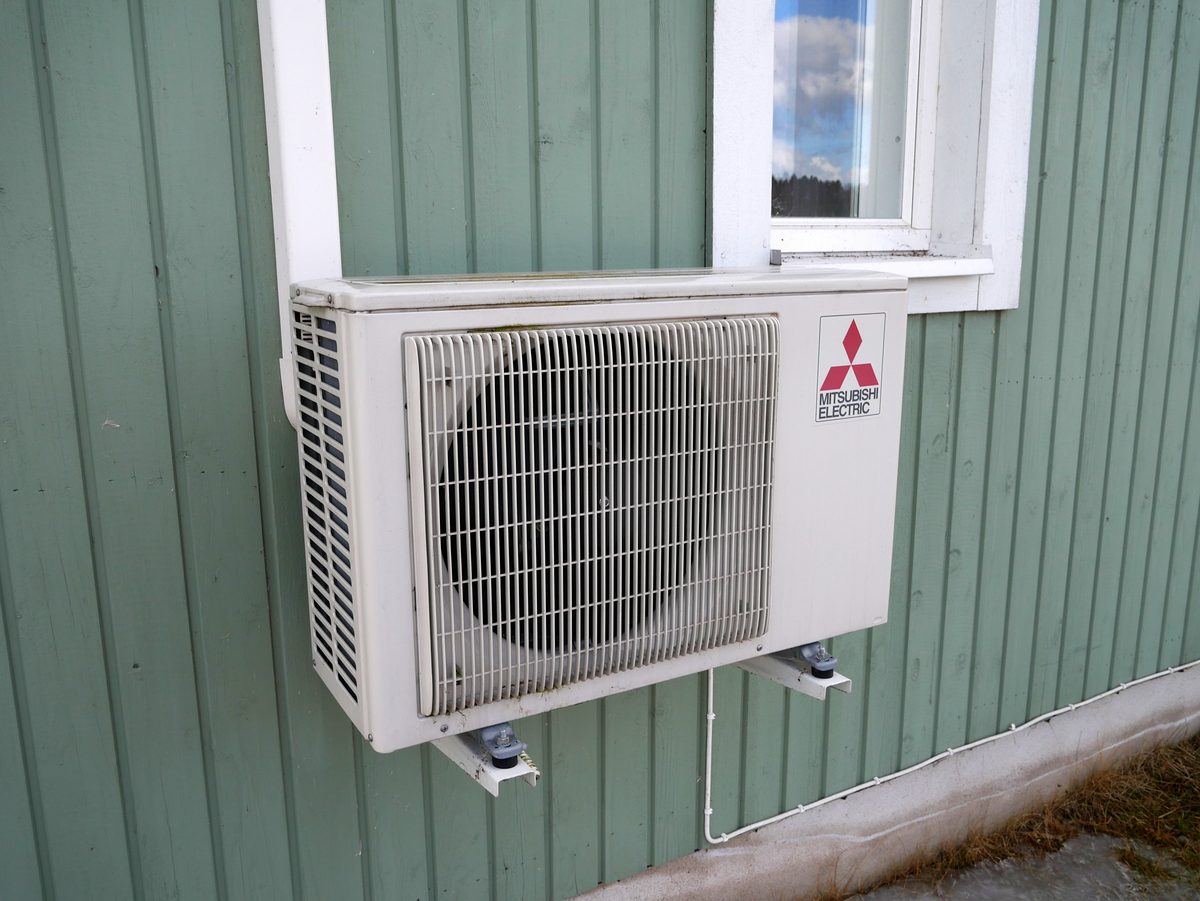
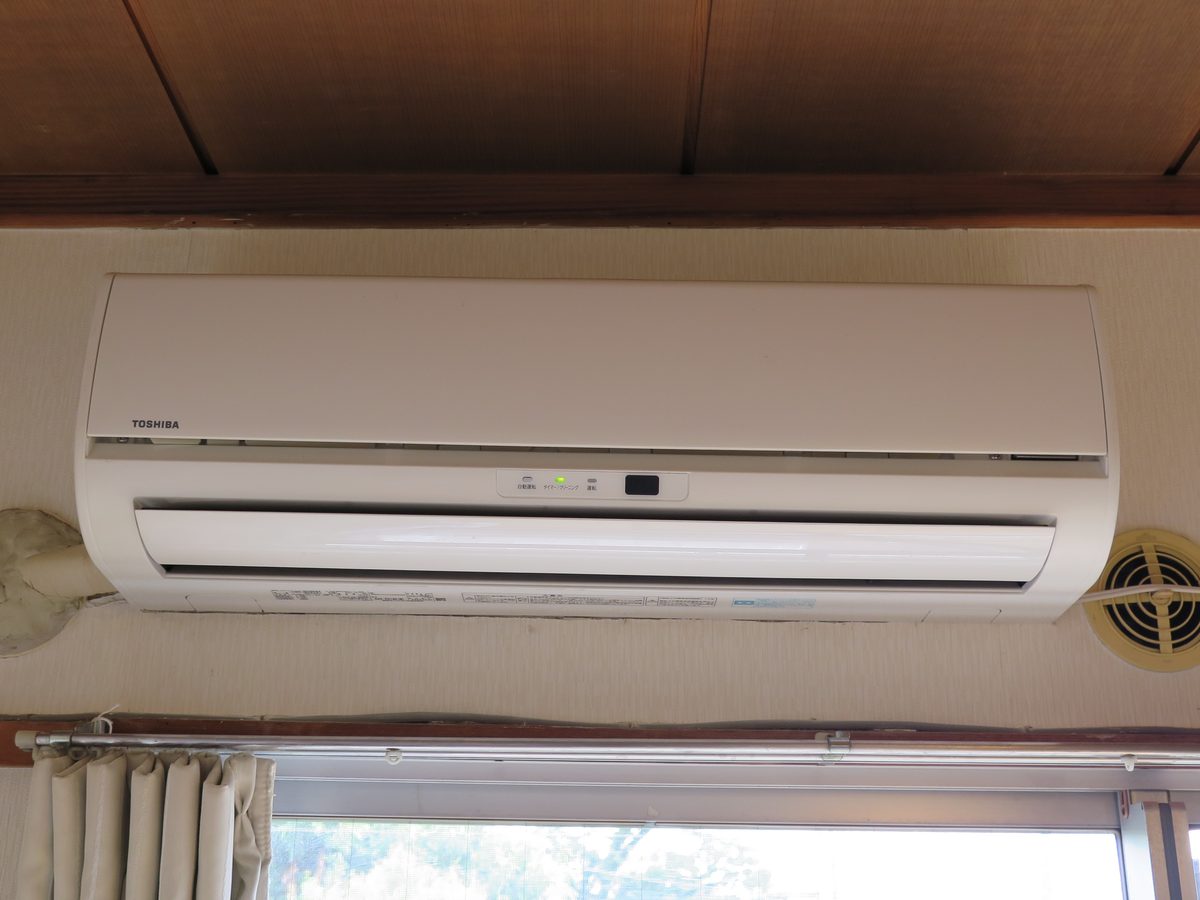
Many Lexington homes use a central system with an indoor unit and an outdoor unit connected by refrigerant lines. Inside, the system may use a furnace, a heat pump, or an air handler. A heat pump can heat and cool, while a furnace paired with an air conditioner handles the same jobs with separate equipment. Ductless systems serve single rooms or zones without ducts and can be a good fit for an addition or a room that was never comfortable with the main system. Ask the installer to explain each option in plain terms, including how it heats, how it cools, and what it needs from your ducts and electrical panel.
In hot-summer climates, cooling capacity and airflow matter a great deal, and in places where winters are cold, heating capacity and safety controls matter just as much. Your installer should talk about both seasons, not only the one you are in now. A system that cools well but heats poorly, or the reverse, will leave you uncomfortable for half the year.
Getting the size right
Size is one of the most misunderstood parts of an installation. Bigger is not better. A system that is too large will turn on and off in short cycles, which can leave air feeling clammy, wear out parts, and fail to even out temperatures from room to room. A system that is too small will run for long stretches and still fall short on the hardest days. The right size comes from a load calculation that looks at insulation, windows, ceiling height, air leakage, and the layout of your home.
Ask each installer whether they will perform that calculation and whether you can see the results. If one company sizes by floor area alone and another measures each room, the second approach gives you more reason to trust the result. Keep the calculation with your paperwork. It is part of the design record, and it helps a future technician understand why the system was chosen.
Vetting installers before you sign
Talk to at least three companies, and judge them on the same points. Ask how long they have been installing systems like yours, whether the people on site will be employees, and who supervises the work. Ask to see proof of license and insurance, and confirm that the license covers the work your job needs. A company that is proud of its work will share this information without fuss.
Call references from recent jobs that resemble yours. Ask whether the crew arrived on time, protected the home, finished when promised, and came back quickly when a question arose. Ask what the homeowner wishes they had known before the job started. Those answers often reveal more than any brochure, because they show how the company behaves when a job is real and a homeowner is watching.
Notice how the site visit feels. A careful installer walks through the house, looks in the attic or crawl space where ducts run, checks the electrical panel, and asks about comfort problems in each room. A visit that ends after a quick look at the old unit and a price on the spot is a sign to slow down and get another opinion.
Comparing written quotes
Ask for a written quote from each company with the same level of detail. A complete quote lists the equipment brand and model, the size, the thermostat, any duct work, the permit fee, removal of old equipment, and the warranty for parts and labor. It states the total, the payment schedule, and what would count as extra work. When quotes differ, the line-by-line detail shows you why. One bid may be higher because it includes duct sealing and a new drain line that another bid leaves out.
Do not choose on price alone. A very low bid can mean a smaller system, a lower grade of equipment, or missing work that you will pay for later. Ask the low bidder to walk you through the quote and explain what is included and what is not. If the explanation is clear and complete, you may have found good value. If the explanation is vague, keep looking.
Permits, inspections, and paperwork
A new HVAC installation usually needs a permit and a final inspection. The permit records the job, and the inspection checks that the work meets code for electrical connections, venting, drainage, and safety controls. Ask who will obtain the permit and book the inspection, and make sure the fee is in the quote. A company that suggests skipping the permit is asking you to take on risk that is not worth the saving, and it can create trouble when you sell the home.
Keep a folder with the permit, the inspection result, the equipment model and serial numbers, and the warranty terms. You will need those records for service calls, and a future buyer may ask for them. A company that hands you copies without being asked is showing the same attention to detail you want in the installation.
Install day and the first week
On install day, the crew should protect floors and doorways, shut off power to the old system, and remove the old equipment before setting the new units in place. Connections, testing, and airflow checks follow, and the lead technician should walk you through the thermostat and the filter location before leaving. A straightforward replacement often takes most of a day, while a job with duct or electrical work can take longer. Ask for a realistic schedule in advance, and ask how the crew will handle a delay if one arises.
In the first week, pay attention to how the system sounds and how each room feels. Note any unusual noise, any smell that does not fade, or any water near the indoor unit, and call the installer promptly if you see one. Early calls are normal, and a good company will treat them as part of the job, not as an interruption.
Red flags to watch for
- A price given without a full walk-through of your home and ducts.
- Pressure to sign on the spot for a price that expires that day.
- A quote with no model numbers, no permit, and no warranty terms.
- A suggestion to skip the permit or the inspection.
- No references, or references the company will not let you call.
- A crew with no named supervisor on site.
Your goal is not to find the cheapest system, but to find the right system installed by a team that stands behind its work. When you have three detailed quotes, clear answers about sizing and permits, and references you have actually called, you have what you need to choose well for your home in Lexington.
Related Guides