Are you planning a new heating and cooling system for your home in Rio Rancho, New Mexico, and wondering where to start? You are not alone. A full HVAC installation is one of the larger home projects most owners take on, and the choices you make before work begins shape how comfortable your home feels for years. This guide walks you through the job in plain terms, so you can talk with installers, compare written quotes, and spot a careful crew before anyone lifts a tool.
Start by naming the problem you want to solve. Is your current system old and unreliable? Does one room stay warm while another stays cold? Are your energy bills climbing even though your habits have not changed? Write down what you notice, room by room, and when it happens. A good installer will ask about those details, because they point to sizing, airflow, and ductwork issues that a simple swap of one box for another will not fix.
What an HVAC installation usually involves
A typical installation has several parts. The crew removes the old indoor and outdoor equipment, sets the new equipment in place, connects refrigerant lines, electrical wiring, gas lines where the system uses gas, and condensate drains, then checks airflow, tests safety controls, and runs the system through heating and cooling cycles. If your home has ducts, the crew also inspects them for leaks, damage, and poor connections. Some jobs need new duct sections, a new thermostat, or a new electrical circuit, and those items should appear in the written quote rather than surfacing as a surprise on install day.
Ask each installer to describe the full scope in writing. You want to know what equipment is included, what work on ducts or wiring is included, who handles permits and inspection, and how the crew will protect floors and furniture. A clear scope protects both sides. It also makes quotes easier to compare, because you can see whether one bid is lower only because it leaves out work another bid includes.
Choosing the right type of system for your home
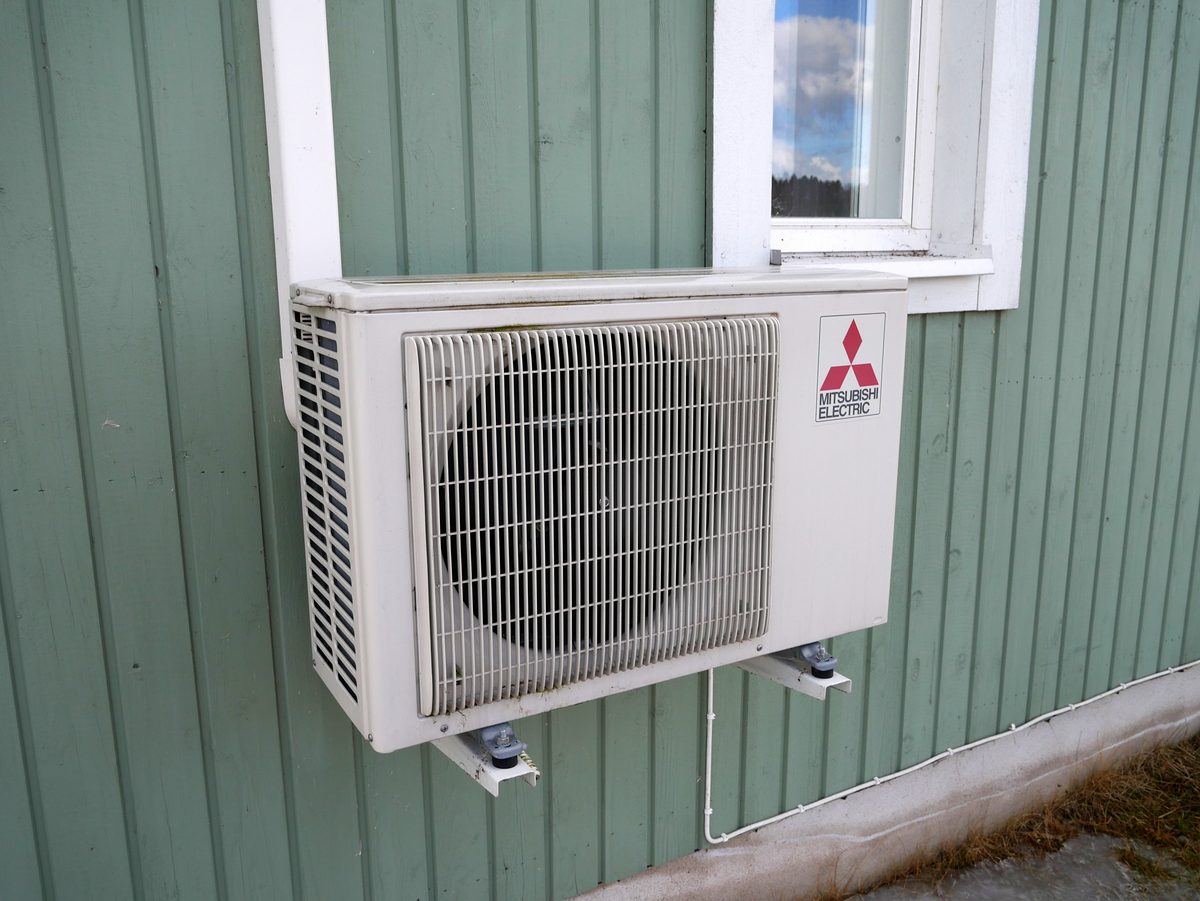
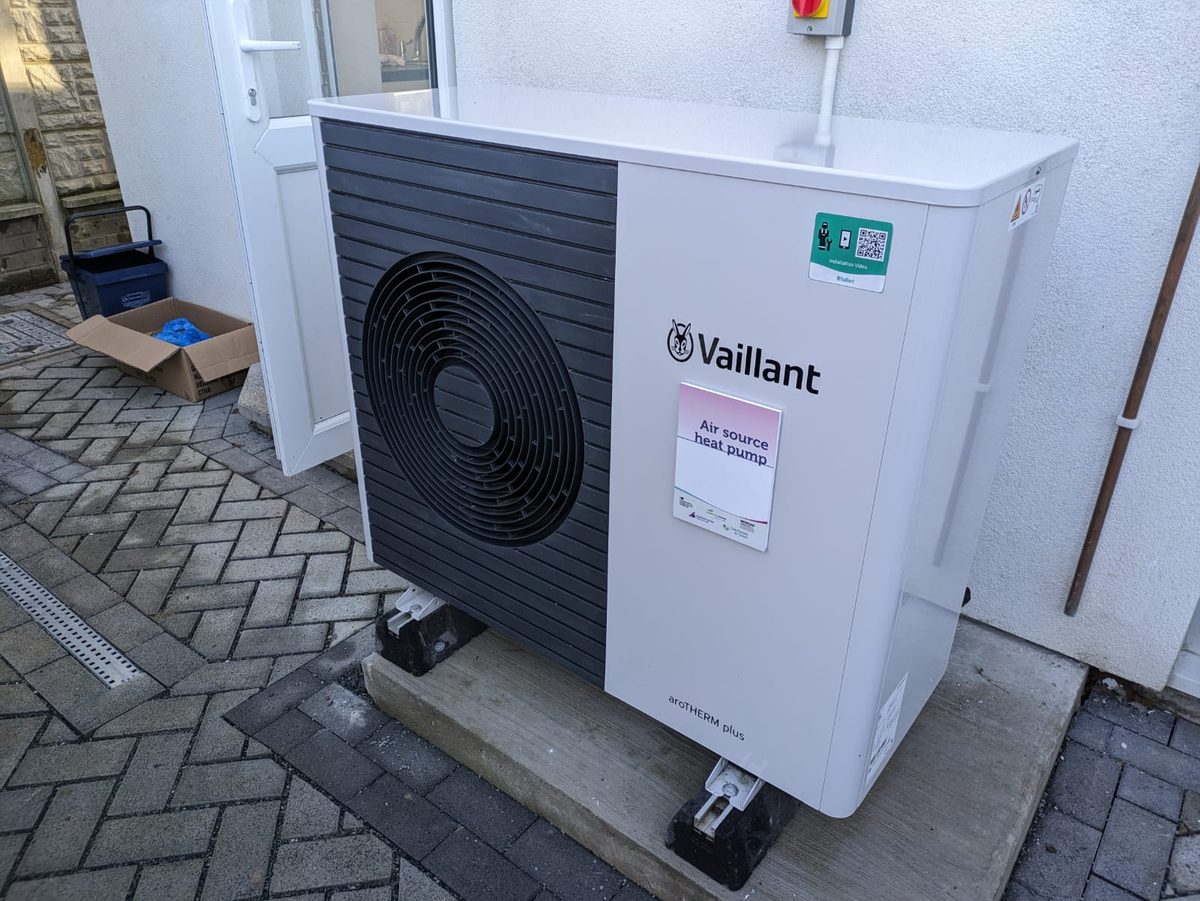
Most homes in Rio Rancho, New Mexico use a central system with a furnace or heat pump and an outdoor unit, but other setups exist. A heat pump moves heat in and out of your home and can both heat and cool. A furnace paired with an air conditioner is a common alternative. Ductless mini-splits serve one room or a small zone without ducts, which can help for an addition, a converted garage, or a room that never feels right. Your installer should explain the trade-offs in plain language, including how each option heats and cools, what maintenance it needs, and how it uses your existing ducts, if you have them.
Do not let anyone pick a system size by floor area alone or by matching the size of the old unit. A proper sizing check looks at your home as a whole. It considers insulation, window size and direction, ceiling height, air leakage, and how many people live in the home. If a system is too large, it will cycle on and off in short bursts, leave humidity uneven, and wear out parts faster. If it is too small, it will run constantly and still leave rooms uncomfortable on the hottest or coldest days. Ask whether the installer will do a room-by-room load calculation and whether you can see the results.
How to vet installers in Rio Rancho, New Mexico
Vetting takes time, but it is the step that saves the most trouble later. Start with three companies if you can, and compare them on the same questions. Ask how long the company has installed systems like yours, whether the technicians who will do the work are employees or subcontractors, and who will supervise the job on site. Ask for proof of license and insurance, and check that the license covers the kind of work your job needs. A reputable company will answer these questions without hesitation and put the key details in writing.
Ask for recent references from jobs similar to yours, and call them. Ask what the crew did well, what surprised the homeowner, whether the job finished on the planned day, and whether the company returned promptly when a question came up after the install. References are more useful than a single online comment, because you can ask follow-up questions and hear how the company handled a real job from start to finish.
Watch how each company handles your first visit. Did the technician walk through the whole house, look at the ducts, check the electrical panel, and ask about comfort problems? Or did the visit last a few minutes and end with a price? A careful site visit usually takes longer, because the installer is gathering the facts needed for a sound design. A rushed visit is a warning sign, even if the price looks attractive.
What a written quote should include
Ask every company for a written quote with the same level of detail, then compare line by line. A useful quote names the equipment brand and model, the size and efficiency rating, the thermostat, any duct work, the permit fee, the inspection, removal of old equipment, and the warranty terms for parts and labor. It should state the total amount, the payment schedule, and what counts as extra work. If a quote says only a brand name and a single number, ask for the missing detail before you sign anything.
Be cautious about a quote that is far lower than the others. It may leave out permits, duct sealing, a new drain line, or the labor warranty. It may also use a smaller system or a lower grade of equipment. Ask the low bidder to explain the difference in writing. Sometimes there is a fair reason, such as a simpler duct layout, but you should hear that reason before you choose, not after the job is done.
Permits and inspections in general terms
Most areas require a permit for a new HVAC installation, and a final inspection by the local authority. The permit creates a record that the work was reviewed, and the inspection checks that the installation meets code for safety, venting, electrical work, and drainage. Ask who will pull the permit and schedule the inspection. In most cases the installer handles both, and the fee appears in the quote. If a company suggests skipping the permit to save time or money, treat that as a serious warning sign. An unpermitted job can cause problems when you sell the home, and it can leave you without a clear record if something goes wrong.
Keep copies of the permit, the inspection result, the equipment model numbers, and the warranty paperwork in one folder. You will need them if you call for service later, and a future buyer may ask to see them. A company that files the paperwork promptly and hands you copies is showing the same care you want in the installation itself.
What install day looks like
On install day, expect the crew to arrive with the new equipment, protect walkways and floors, and shut off power and gas to the old system before removing it. Removal, placement, connections, and testing can take most of a day for a straightforward replacement, and longer if ducts or wiring need work. The crew should keep you informed, show you the new thermostat, and run the system while you are there so you can hear it start and stop and feel air from the vents.
Before the crew leaves, walk through the home with the lead technician. Check that the work area is clean, that old equipment has been removed as promised, and that you know how to change the filter, set the thermostat, and turn the system off in an emergency. Ask what to watch for in the first few days, such as unusual sounds, odors, or water near the indoor unit, and who to call if you notice any of them.
After the install: warranties and upkeep
Read the warranty paperwork before you need it. Equipment warranties often cover parts for a set period, while labor warranties cover the installation work itself. The two may have different lengths and different conditions, such as annual maintenance by a qualified technician. Ask the installer to explain both in plain terms and to note any step you must take to keep the warranty valid, such as registering the equipment within a set time after install.
Plan for simple upkeep from the start. Change or clean filters on the schedule the installer recommends, keep the outdoor unit clear of leaves and debris, and book a routine check before the heavy heating or cooling season. Regular care helps the system run as designed, and it gives a technician a chance to catch small issues, such as a loose connection or a clogged drain, before they become a breakdown.
Questions to ask every installer
- Will you do a room-by-room load calculation, and can I see the results?
- What equipment brand, model, and size are you proposing, and why?
- What duct work, wiring, or drain work is included in the price?
- Who pulls the permit and schedules the inspection?
- What do the parts warranty and the labor warranty cover, and for how long?
- Who will be on site, and who supervises the job?
- What is the payment schedule, and what counts as extra work?
- How do I reach you if something goes wrong in the first week?
A new HVAC system is a long-term purchase, and the installer matters as much as the equipment. Take your time, ask the same questions of each company, and choose the team that explains its work clearly, documents its promises, and treats the permit and inspection as part of the job. That care is what turns a good system on paper into a comfortable home in Rio Rancho, New Mexico.
Related Guides