Are you planning an HVAC installation in Greendale, Indiana, and wondering where to start? A new heating and cooling system is a major purchase for any home, and the choices you make before install day shape how comfortable your house feels through hot summers and cold winters. Greendale homes include older houses with aging ducts and newer builds with open layouts, so a system that fits your home, is sized well, and is installed with care matters. This guide explains what installation involves, how to judge installers, and what to ask before you sign a contract.
Begin with your own home. How old is the system you have now? Which rooms run too warm in summer or too cool in winter? Do your ducts run through an attic or crawl space? Do you work from home and need steady temperatures all day? Write your answers down. A good installer will use them to build a plan around how you live, not a one-size plan for every house.
What an HVAC Installation Involves in Greendale
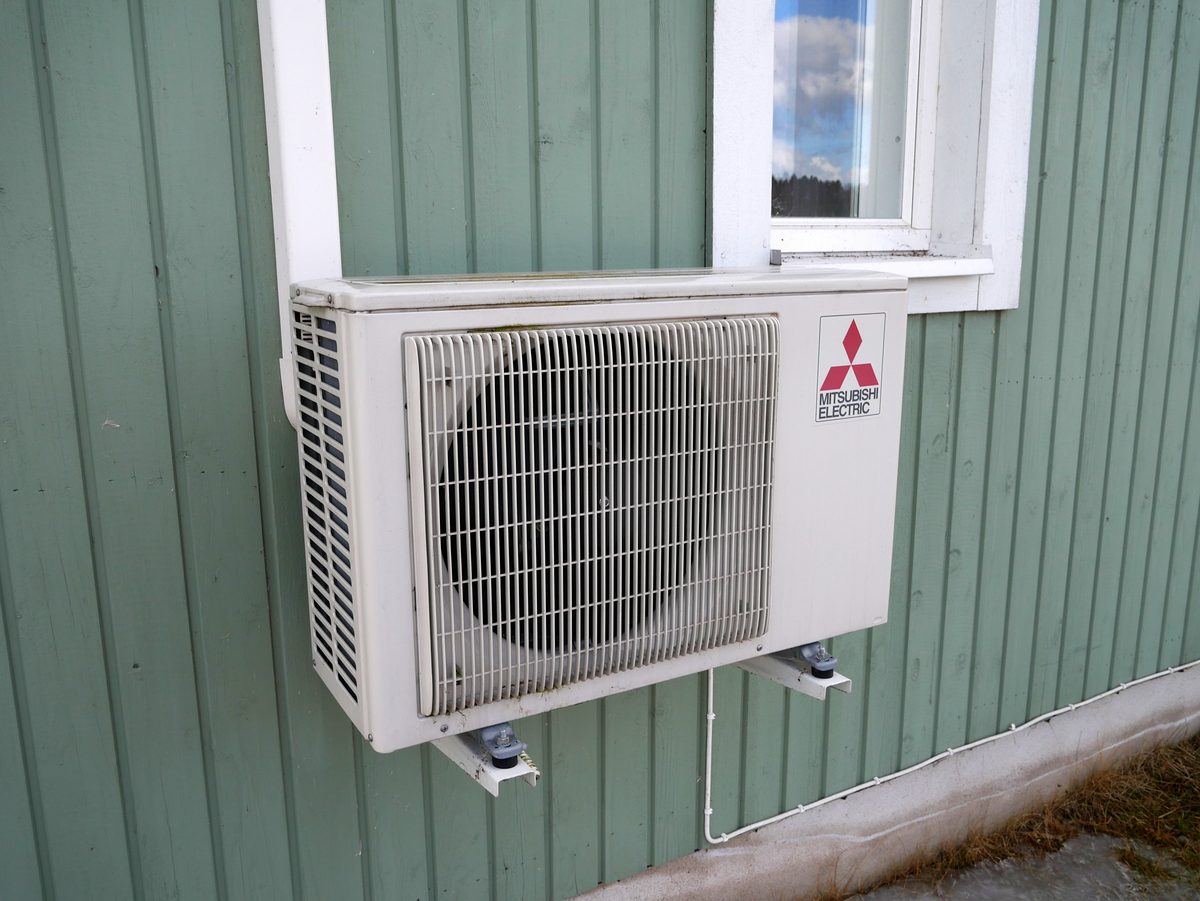
A standard HVAC installation in Greendale may cover a new outdoor unit and indoor unit, duct checks or changes, a thermostat, wiring, refrigerant lines, drain lines, and controls. The crew takes out the old system, sets the new units in place, connects the lines and wiring, and tests everything before leaving. The exact work depends on your home and the type of system you pick.
Most homes here use one of three setups. A central split system pairs an outdoor unit with an indoor unit and moves air through ducts. A heat pump heats and cools with one system and suits homes that want both jobs from a single unit. A ductless mini-split serves single rooms without ducts and fits additions or homes without ductwork. Ask an installer to compare the choices for your house rather than for a house in general.
Size matters more than the brand on the box. A system that is too small runs all day and still leaves rooms uncomfortable. One that is too large switches on and off too often, which can leave humidity high and rooms uneven. A careful installer measures your home, looks at insulation and windows, checks the ducts, and runs a load calculation before naming a size. Ask how the size was worked out, and ask to hear the reasoning in plain words.
Your ducts deserve attention too. Leaky or undersized ducts can waste a large share of heated or cooled air, above all where ducts run through attics or crawl spaces. Ask the installer to look for leaks, damage, and loose joints, and to say what duct work the install should include. Sealing and insulating ducts where it helps can lift comfort across the whole house.
How to Vet Installers in Greendale, Indiana
Check the essentials first. Ask every company whether it holds the licenses Indiana requires for heating and cooling work, and whether it carries liability insurance and workers coverage. A reputable company answers straight away and shows proof when asked. If a company hedges or dodges, treat that as a warning sign.
Ask how long the company has served the Greendale area, and whether the people doing the work are its own employees or workers hired for the day. Ask which kinds of homes it works on most, and whether it has handled homes like yours. Familiarity with local building styles, duct layouts, and permit steps helps an installer spot trouble early.
Customer reviews can narrow your list. Look for the same points coming up across several reviews: crews who arrived when promised, work explained in plain words, and a tidy house at the end of the day. Ask each company for references from recent jobs. When you phone them, ask whether the finished work matched the written quote, whether the crew tidied up each evening, and whether rooms have stayed comfortable through the first season with the new system.
Permits and Inspections in Greendale
Most HVAC jobs in Greendale need a permit from the local building department, and an inspection after the work is finished. Before you hire anyone, ask who applies for the permit, who schedules the inspection, and whether those fees are part of the quote. Companies that treat permits as an ordinary part of the job, and explain the process without fuss, are usually the easiest to work with.
If an installer suggests skipping the permit to save time, or asks you to pull it under your own name, slow down. The permit and the inspection are your outside check that the venting, wiring, and drain work meet local codes. Keep the permit and the final inspection sign-off with your home records; a future buyer may ask to see them.
Permits can also affect your calendar. Ask the installer how long the permit usually takes in the area, and what happens to your install date if the building department is backed up. A company that builds that waiting time into its plan, and tells you promptly when a date moves, will save you a lot of chasing.
Reading a Written Quote
Ask at least three companies for a written quote, and make sure each one is detailed enough to compare. A thin quote hides the very items that cause arguments later, so look for the full list before you look at the total.
- Equipment model and its main features
- Removal of the old system
- Duct changes, wiring, drain work, and thermostat work
- Permit fees and cleanup
- Parts and labor warranty terms in writing
- Any work that is not included
Set the quotes side by side and compare the work first, not the price. A cheap quote that leaves out duct sealing, a new thermostat, or the permit can grow once that work is added back. A dearer quote may include work that helps the system run better. Ask each company to walk you through any large gap between its quote and the others.
Payment terms deserve a close read. Most installers ask for a deposit when they order the equipment, then the rest in stages as the work is finished. Full payment up front, before any work begins, is a warning sign. Go through the contract line by line, and ask the company to explain anything you do not follow.
Questions Worth Asking
- How was the size worked out for my home?
- What duct work was checked or changed?
- How does the crew test the system before leaving?
- What does the warranty cover, and who do I call for service?
- How often should the filter be changed, and where do I buy the right size?
Find out what support looks like after the installers leave. Does the company book a follow-up visit to check the system? Does it offer routine service visits, and what do they include? Installers who stay in touch after the sale usually have more reason to do the work well the first time.
Install Day in Your Greendale Home
Get the house ready the evening before. Shift furniture, boxes, and cars away from the indoor unit, the outdoor unit, the thermostat, and any access panels, so the crew has a clear path for carrying equipment. Pets do best in a closed room or with a friend for the day, since doors will be open while the crew works.
Talk to the crew about your floors and furniture before they start. Ask them to lay down drop cloths and to cover anything near the work area, and ask who takes away the old unit and the packaging. A crew that looks after your home while it works usually looks after the equipment with the same care.
Make time to be home when the crew finishes. The lead installer should walk you through the new equipment, show you the filter spot and the thermostat settings, and point out the shut-off switches. Ask how to swap the filter, how often to look at it, and what simple upkeep the system needs between service visits.
Before the crew leaves, ask them to switch the system on while you stand in the house. Listen for rattles or whistling, feel the air from the vents, and try the thermostat to see that it answers. Then walk through the rooms together and check that the air feels even, the work areas are tidy, and the old equipment is gone.
After the Crew Leaves
If anything looks unfinished, say so before the crew packs up, and get a written plan for when it will be put right. Keep every paper from the job in one folder, so you can find it later: the contract, the quote, the equipment manuals, the warranty papers, the permit records, and the receipts.
Keep an eye on the house during the first weeks with the new system. Are rooms even, or do some still run warm or cool? Does the system settle into steady cycles? Any new noise or smell is worth a prompt call, since small issues are far easier to sort out in the first weeks than months later. Jot down room temperatures and what you notice, and keep the filter schedule the installer left you, with a reminder to check the filter when it is due.
Related Guides