Are you thinking about an HVAC installation in Huntington Beach and not sure where to begin? A new heating and cooling system is one of the biggest purchases a homeowner makes, and the decisions you make now will shape your comfort for years. Homes in Huntington Beach range from older properties with aging ducts to newer homes with open floor plans, so the right system is the one that fits your house, not the one in the brochure. This guide covers what the job involves, how to size up installers, and the questions that keep you in control.
Start with your home, not with a brand name. How old is your current system, and what has it cost you in repairs? Which rooms feel stuffy in warm weather or chilly when the temperature drops? Are your ducts easy to reach, or do they run through a tight attic or crawl space? Does anyone work from home and need steady temperatures through the day? Note your answers, because a good installer will plan around them.
What an HVAC Installation Covers
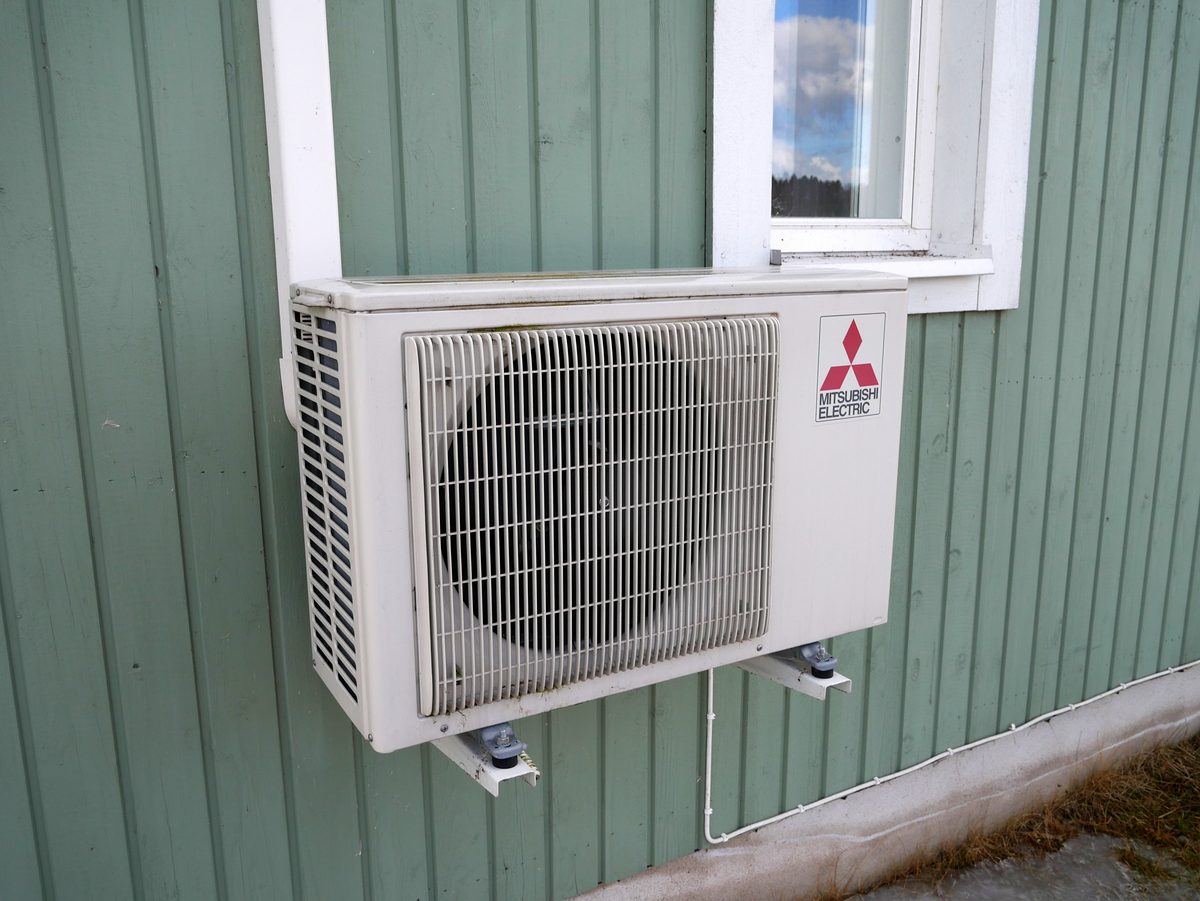
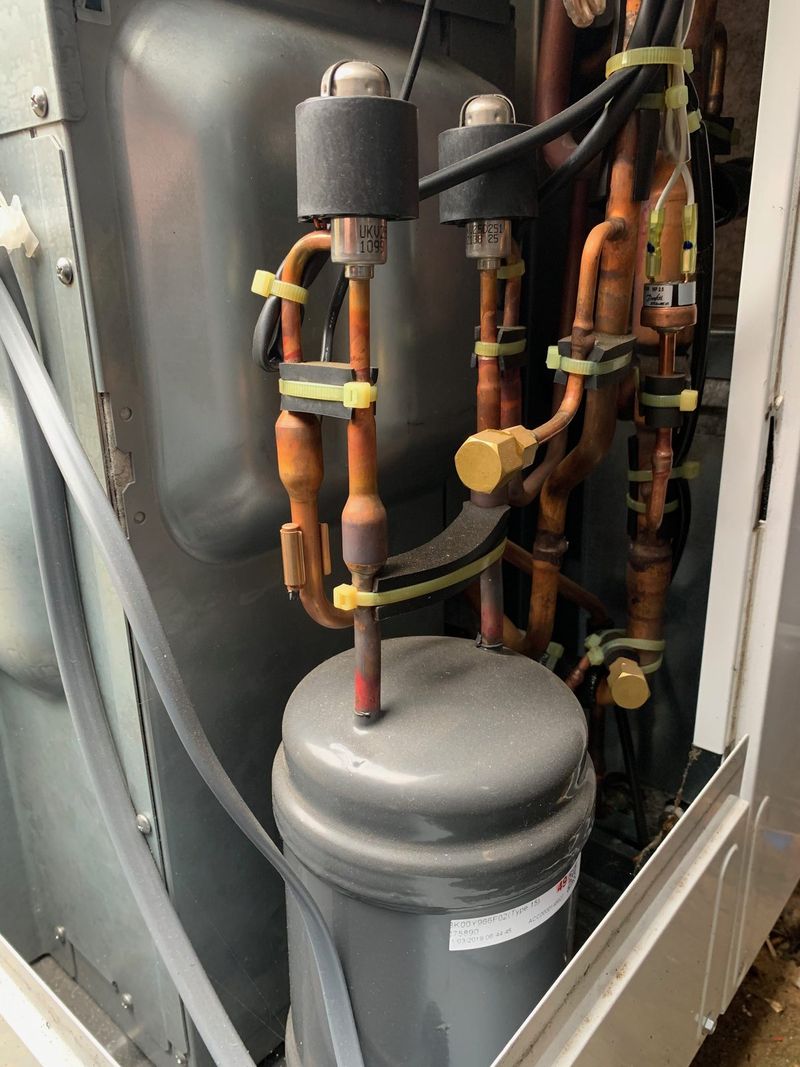
A full HVAC installation usually means a new outdoor unit and a new indoor unit, checks or changes to the ductwork, a new thermostat, fresh wiring, refrigerant and drain lines, and controls. The crew removes the old equipment, fits the new units, makes the connections, and runs the system to check it before they go. What exactly is included depends on your home and the system you choose.
You will usually choose between three setups. A central split system uses an outdoor unit and an indoor unit with ducts to move air around the house. A heat pump heats and cools from a single system. A ductless mini-split heats and cools single rooms with no ducts at all, which suits additions and homes without ductwork. Ask each installer to compare the options for your house and your ducts, not for houses in general.
Getting the size right matters more than the badge on the unit. Too small, and the system runs all day without keeping rooms comfortable. Too large, and it keeps switching on and off, leaving rooms uneven and wearing parts out faster. A thorough installer measures the house, checks insulation and windows, looks at the ducts, and runs a load calculation before suggesting a size. Ask how that size was reached, and ask for the reasoning in plain words.
Ducts can waste a surprising amount of heated and cooled air when they leak or fit badly, above all where they run through an attic or crawl space. Ask the installer to inspect them for leaks, damage, and loose joints, and to tell you what duct work the job should include. Sealing and insulating the ducts where it helps can improve comfort in every room.
Vetting Installers: What to Check First
Check the essentials before anything else. Ask each company whether it holds the licenses the area requires for heating and cooling work, and whether it carries liability insurance and workers coverage. A reputable company answers directly and shows proof when asked. If a company hedges or changes the subject, take that as a warning sign.
Ask how long the company has worked around Huntington Beach, and whether its installers are its own employees or outside workers brought in for the day. Ask what sort of homes it usually works on, and whether it has done homes like yours. A company that knows the local housing stock, the common duct layouts, and the local permit steps can often spot problems before they grow.
Reviews help most when you read them for patterns. If several customers mention crews who turned up on time, explained the work clearly, and left the house tidy, that means more than a single glowing review. Ask each company for recent customers you can ring. When you speak to them, ask whether the final bill matched the quote, whether the crew cleaned up each evening, and whether the home has stayed comfortable since the install.
Permits, Inspections, and Timing
Heating and cooling work in Huntington Beach usually needs a permit, plus an inspection by the local building department once the job is done. Find out who applies for the permit, who books the inspection, and whether those fees are folded into the quote. A company that handles permits as routine and explains the steps in plain words is usually a good sign.
Be wary of any installer who offers to skip the permit or wants you to take it out yourself. Permits and inspections exist so someone independent checks the venting, wiring, and safety work against local codes. Hold on to the permit and the inspection approval with your other home papers, since they can matter when you sell.
Ask how long the permit stage can take, and whether it might move your install date. When the building department is busy, permits and inspections can run longer than expected. An installer who flags that risk early, and keeps you updated if the date shifts, is far easier to work with than one who goes quiet.
Getting Quotes You Can Compare
Get three written quotes when you can, and insist that each one is itemised. A useful quote names the equipment model and its key features, covers taking out the old system, and lists duct changes, wiring, drain work, thermostat work, permit fees, and cleanup. It should also state the warranty for parts and labor in writing, and flag any work that is not covered.
Start with what each quote includes, and only then weigh the price. A low figure may leave out duct sealing, the permit, or a new thermostat, and the total can rise once those are added. A higher figure may buy work that helps the system run better for years. Ask every company to talk you through any wide gap between its price and the others.
Look closely at when money changes hands. Most companies take a deposit when the equipment is ordered and the balance in stages as the job progresses. A demand for the full amount before work starts is a warning sign. Read every clause of the contract first, and ask the company to explain anything that is unclear.
Questions to Ask Every Installer
Take a short list of questions to each meeting so you can compare the answers. How was the system sized for your home? What duct work was inspected or changed? How will the crew test the system before leaving? What does the warranty cover, and who do you call for service? How often should the filter be changed, and where do you buy the right size?
Aftercare matters too. Ask whether the company comes back to check the system after install, and whether it offers routine service visits. Find out what those visits include. Companies that keep in touch after the sale tend to take more care with the install itself.
Install Day, Step by Step
- The crew arrives and walks the job through with you
- The old system is removed and the new units are set in place
- Lines, wiring, drains, and ducts are connected
- The system is tested and the thermostat is set up
- A final walkthrough with the lead installer
Clear the way the day before the crew comes. Shift furniture, boxes, and cars away from the indoor and outdoor units, the thermostat, and any access panels, so equipment can be carried in and out without obstacles. Settle pets in a closed room or with a friend while doors stand open for the crew.
Agree on housekeeping before work starts. Drop cloths over floors, covers on furniture near the work area, and a plan for removing the old system and its packaging are all worth settling in advance. How a crew treats your home during the job usually matches how carefully it handles the equipment.
The Walkthrough and the Weeks After
Be present when the crew wraps up. Walk the job with the lead installer, who should show you the new equipment, the filter spot, the thermostat settings, and the shut-off switches. Use the time to ask how to swap the filter, how often to look at it, and what simple upkeep the system needs between service visits.
Get the crew to switch the system on before they leave, while you are in the house. Listen for odd rattles or whistling, feel the air at the vents, and check that the thermostat answers when you adjust it. Walk the rooms together to confirm the air feels even, the work areas are clean, and the old equipment is gone.
Before the crew goes, point out anything that looks unfinished and ask for a written plan with a date for putting it right. Keep the contract, the quote, the equipment manuals, the warranty papers, the permit records, and the receipts together in one folder, where you can find them when you need service.
In the weeks after install, write down room temperatures and anything odd you notice, such as new sounds or smells. That log helps the installer work out what is happening if you call for a follow-up. Keep the filter schedule the installer left with you, and set a reminder to check the filter when it falls due.
Related Guides