Find A Contractor
Filter nearby cities:
Or search by ZIP code:
Is a heat pump a sensible choice for a home in Bangor, or is a furnace still the safer bet when Pennsylvania winters turn sharp? That is the question many homeowners here ask when an old system starts to falter. The answer is not the same for every house, and it depends on insulation, ductwork, room layout, and how you use heat through the year. This guide explains how heat pumps, furnaces, and central air conditioning work in a Pennsylvania home, so you can weigh the options with a contractor and choose what fits your house rather than what sounds newest.
Bangor experiences the full Pennsylvania cycle: cold winters that demand steady heat, and humid summers when cooling and moisture removal make a home livable. A system that handles one season well but struggles in the other will leave you uncomfortable for months. The best choice is usually the one that handles both seasons in your specific home, with equipment sized to the house and installed with care.
How a Heat Pump Heats and Cools
A heat pump does not create heat by burning fuel. It moves heat from one place to another. In winter, it pulls heat from outdoor air and moves it inside. In summer, it reverses direction and moves heat from inside the house to the outside, which cools the rooms and removes moisture at the same time. The same unit provides both heating and cooling, which is why it appeals to homeowners who want one system for the whole year.
That design works well in many Pennsylvania homes, but it needs a fair assessment first. A heat pump relies on the house holding its temperature. If a home loses heat quickly through thin insulation or leaky ducts, the heat pump has to work harder, and comfort can suffer on the coldest days. A contractor should look at the house before recommending a heat pump, not just the old equipment it would replace.
Some homes use a heat pump on its own. Others pair it with a furnace, so the furnace provides extra heat when outdoor temperatures drop very low. That paired setup is common in Pennsylvania, because it gives the efficiency of a heat pump in milder weather and the steady output of a furnace in a cold snap. Ask a contractor to explain which setup they are recommending for your home and why.
Furnaces and Central Air Conditioning
A furnace heats air by burning gas or oil, or by using electric heat, and a blower moves that warm air through ducts to each room. The thermostat calls for heat, the furnace runs until the rooms reach the setting, and then it rests. Furnaces are familiar in Pennsylvania, and many homes already have the ductwork and gas or oil supply they need.
Central air conditioning often shares those ducts. An outdoor condenser and an indoor coil work together to remove heat and humidity from the air. The blower circulates the cooled air, and the thermostat controls the cycle. When the furnace and the air conditioner share ductwork, keeping those ducts in good shape matters for both seasons. Leaky or blocked ducts waste heated air in winter and cooled air in summer.
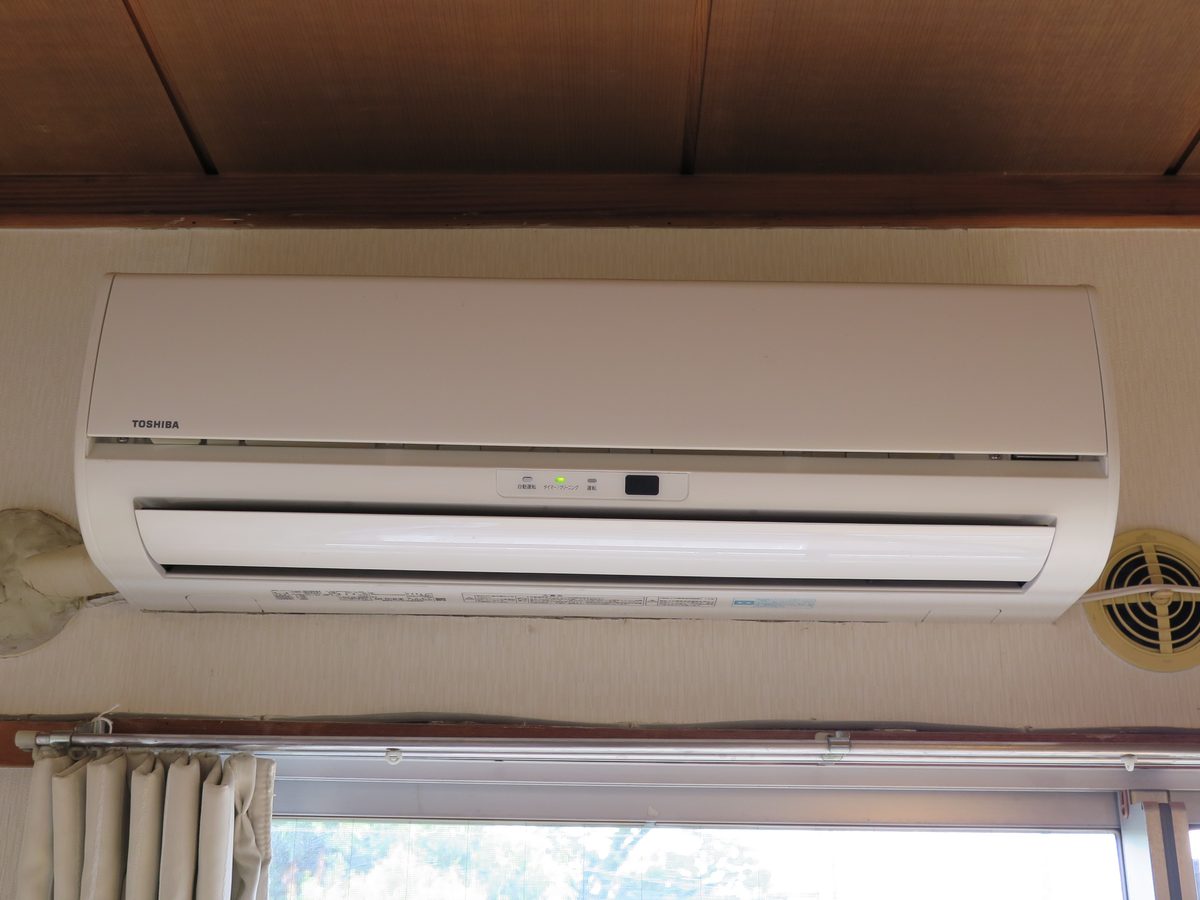
Ductless mini-split systems offer another path. A wall unit in each room connects to an outdoor unit, without ducts running through the house. That setup suits homes without existing ductwork, additions that were never connected to the main system, and rooms that always feel too warm or too cold. Each indoor unit can be controlled separately, which helps when different rooms are used at different times.
What Sizing Really Means
Sizing is one of the most misunderstood parts of HVAC work. It does not mean buying the biggest unit you can afford. It means choosing equipment that matches the heating and cooling load of your house. A unit that is too large will turn on and off in short bursts, which wears parts, wastes energy, and leaves humidity behind in summer. A unit that is too small will run constantly and still fall short on the hottest or coldest days.
A proper sizing check looks at the house itself. The contractor measures the rooms, checks insulation and windows, notes air leakage, and considers how the sun hits the house. That information feeds into a load calculation, which guides the equipment choice. If a contractor suggests replacing a unit with the same size without measuring anything, ask how they reached that size and whether a load calculation is part of the job.
Sizing also affects comfort from room to room. A correctly sized system with good airflow should warm and cool rooms more evenly. If one room has always been uncomfortable, sizing alone may not fix it. Duct changes, an added return vent, or a ductless unit for that room may be part of the answer.
Cold Weather and Heat Pump Performance
Heat pumps are built to work in cold weather, but their output changes as outdoor temperatures fall. On a mild winter day, a heat pump can heat a home steadily. On a very cold night, it may need help from a backup source. That is normal for the technology, and it is why the paired setup with a furnace is so common in this part of the country.
Ask a contractor how the system they recommend will behave during a long cold stretch, and what the backup heat will do. Ask how the thermostat switches between the heat pump and the backup, and whether you need to change any settings yourself. Clear answers to those questions prevent surprises in January.
Outdoor units need space and care in winter. Keep snow and ice from piling up around the unit, and keep the area clear so air can move. Do not cover the unit in a way that blocks airflow. If ice builds up heavily or the unit makes an unusual sound, call for service rather than trying to chip ice away yourself.
Getting Quotes You Can Actually Compare
When you ask for quotes, make sure each contractor is quoting the same job. Give each one the same description of the problem and the same access to the house. Ask for a written quote that lists the equipment by model, the work included, the warranty terms, and any permit or disposal fees. A quote that only gives a total price tells you very little.
Look for differences that explain price gaps. One quote may include duct sealing, a new thermostat, or a condensate drain upgrade, while another leaves those out. One may include a longer labor warranty. Those details matter more than a small difference in the bottom line, because they shape how the system will perform after installation.
Ask about the timeline as well. How long will the installation take? Will the house be without heat or cooling during the work, and for how long? What happens if the crew finds a problem with the ductwork or electrical panel once work begins? A contractor who answers those questions directly is easier to trust than one who rushes past them.
Licenses, Permits, and Warranties
HVAC installation in Pennsylvania often involves permits, especially when gas, oil, or electrical work is part of the job. Ask who will apply for the permit and whether the cost is included in the quote. After installation, a local inspection may be needed to confirm that the work meets code. Keep the permit and inspection paperwork with your other home records.
Check that the contractor carries insurance and can show proof of it. That coverage protects you if something goes wrong during the work. Ask about the labor warranty separately from the equipment warranty. The manufacturer covers parts, while the contractor covers the work itself. Both matter, and both should be in writing.
Register the equipment if the manufacturer asks you to, and keep the registration confirmation. Some warranties depend on registration within a set time after installation, and missing that step can shorten the coverage. Your contractor should be able to tell you whether registration is needed and how to do it.
Keeping a Heat Pump or Furnace in Good Shape
Regular care keeps any system running longer and more evenly. Change the filter on the schedule the manufacturer recommends, and check it more often during heavy use. Keep vents open and unblocked. Keep the outdoor unit clear of leaves, grass, and stored items. Inside, keep the area around the furnace or air handler free of clutter.
Book a professional check once a year. For a heat pump, that check may cover both heating and cooling, since the same unit does both jobs. The technician can clean coils, check refrigerant levels where relevant, test electrical connections, and look for wear. Between visits, listen for new sounds and watch for rooms that stop heating or cooling evenly. Early signs are easier and less disruptive to fix.
Set the thermostat to a steady temperature rather than swinging it widely through the day. Large swings force the system to work harder to catch up, and they can make rooms feel uneven. If you use a programmable thermostat, set it to hold a comfortable temperature when you are home and a modest setback when you are away, rather than turning the system off entirely in cold weather.
When to Call for Help
Call for service when the system stops heating or cooling, when it cycles on and off rapidly, when you hear grinding or banging, or when you notice water, ice, or a burning smell. Do not wait to see if the problem clears up on its own, because a small fault can damage other parts if the system keeps running.
Before you call, check the thermostat, the filter, and the breaker. Note what you tried and what happened. That information helps the technician, and it may save a visit if the cause is simple. If you smell gas, leave the house and call your gas provider or emergency services from outside. If a carbon monoxide alarm sounds, do the same.
After the work is done, file the quote, invoice, warranty, and model numbers together. Write down the date and the name of the person who did the work. That folder is the record of your system, and it will make the next decision about heating or cooling in Bangor much easier to make.
Map of Bangor, Pennsylvania
Related Guides