Is regular air conditioner maintenance worth the time and effort? If you have ever had a system fail on the hottest day of the year, you already know part of the answer. The advantages of regular maintenance are not abstract. They show up as steadier cooling, fewer surprises, cleaner air movement, and a system that is more likely to last for its full service life. This article explains those advantages in plain terms, so you can decide what routine fits your home.
Maintenance does not make an old system new, and it does not prevent every breakdown. What it does is remove the slow buildup that makes a system work harder than it should, and it creates a regular chance to spot a small problem before it becomes a large one. That is the core value, and the other advantages follow from it.
Steadier Cooling in Every Room
The first advantage you notice is comfort. A clean filter and a clear outdoor coil let air move freely and let heat leave the system easily. Cooled air reaches the farthest rooms with less effort, and the temperature from room to room becomes more even. A dirty filter has the opposite effect: the rooms nearest the indoor unit may feel fine, while the farthest rooms stay warm because airflow is too weak to reach them.
Regular care also helps the system remove moisture more evenly. When the indoor coil stays clean and airflow stays strong, the coil can do its job of cooling and drying the air at the same time. A home that is cool but damp often points to short cycles or poor airflow, both of which maintenance can help prevent. The result is air that feels comfortable, not just air that reads a set number on the thermostat.
Fewer Breakdowns at the Worst Time
Many breakdowns do not start as a sudden failure. They start as a small change: a filter that clogs, a drain that slows, a fan that starts to wobble, an electrical part that shows wear. Left alone, that small change strains other parts. A clogged filter can lead to ice on the indoor coil. Ice can lead to water damage and a system that stops cooling. A worn electrical part can fail under the load of a hot afternoon.
A regular check catches these changes while they are still small. A technician can see a worn part, a dirty coil, a slow drain, or a weak blower during a visit and address it before the system is under peak load. You cannot prevent every failure, but you can reduce the chance that a preventable problem turns into a no-cooling call on the hottest day of the year.
Longer Life for the System
An air conditioner is a set of parts that work together under heat, vibration, and constant cycling. When one part is forced to work harder because of dirt or low airflow, the strain spreads. The compressor runs longer, the blower pushes against a clogged filter, and the coils work with a layer of dust between them and the air. Over time, that extra strain shortens the life of the parts that carry it.
Regular maintenance reduces that strain. Clean coils transfer heat with less effort. Clean filters let the blower move air without fighting resistance. A clear drain prevents water from reaching parts it should not touch. A checked electrical system runs with parts that are in good condition. None of these steps adds years by itself, but together they give the system a fair chance to reach the service life it was built for, rather than wearing out early from avoidable strain.
Cleaner Air Moving Through Your Home
The air in your home passes through the filter and across the indoor coil every time the system runs. A clean filter catches dust and other particles before they reach the coil and the blower. When the filter is changed on schedule, the air that circulates is cleaner, and the coil and blower stay cleaner as well. When the filter is left in place too long, dust passes around or through it, settles on the coil and the blower, and then circulates back into the rooms.
Maintenance also includes attention to the drain and the indoor unit. A drain that flows freely carries moisture away instead of letting it sit and grow mold or odors in the pan. A clean indoor unit is less likely to spread dust and stale smells through the ductwork. If anyone in the home has allergies or breathing concerns, this advantage matters in daily life, not just on paper. Maintenance is not a cure for indoor air problems, but it removes one source of dust and moisture that makes those problems worse.
Easier Days for the Parts That Use Energy
A system that is clean and has strong airflow does not have to run as long to reach the thermostat setting. That is the energy advantage of maintenance in its simplest form. A clogged filter, a dirty outdoor coil, or a blocked vent forces the system to run longer for the same result. The extra run time is the extra energy use, and it is also extra wear on the compressor, the fan, and the blower.
You will not see this advantage as a fixed number, because energy use depends on weather, the home, and how you set the thermostat. You will see it as a pattern: a system that reaches the setting in a reasonable time, cycles in a steady way, and does not run for hours without progress. When maintenance lapses, that pattern changes first, long before a part fails outright.
Early Warning for Problems You Cannot See
Some problems are hidden inside the unit, in the refrigerant lines, or in the ductwork. A homeowner can check the filter, the vents, and the outdoor unit, but cannot safely check refrigerant charge, electrical parts, or the inside of the coils. A yearly service visit is the chance for a technician to look at those hidden parts and test them.
During that visit, the technician can check the refrigerant, the coils, the blower, the drain, and the electrical parts, and can measure airflow and temperature changes across the system. Those readings show whether the system is working as it should, or whether a part is starting to drift from normal. A reading that is slightly off today can be a warning of a failure that would otherwise arrive without notice. That early warning is one of the most practical advantages of a regular visit.
Water Damage Prevention
Water is a quiet risk in any cooling system. The indoor coil removes moisture from the air, and that water must drain away. A clogged drain, a cracked pan, or a drain line that has lost its slope can let water back up into the home. The damage often appears in a ceiling, a wall, or a floor far from the unit itself, and it can grow before anyone notices the source.
Regular maintenance includes checking the drain and the pan for flow and for signs of water where it should not be. A clear drain is a simple thing, but it prevents a class of damage that has nothing to do with cooling and everything to do with where water goes when it is not carried away. If your indoor unit sits above a finished room, this advantage alone is worth the routine.
What a Good Routine Looks Like
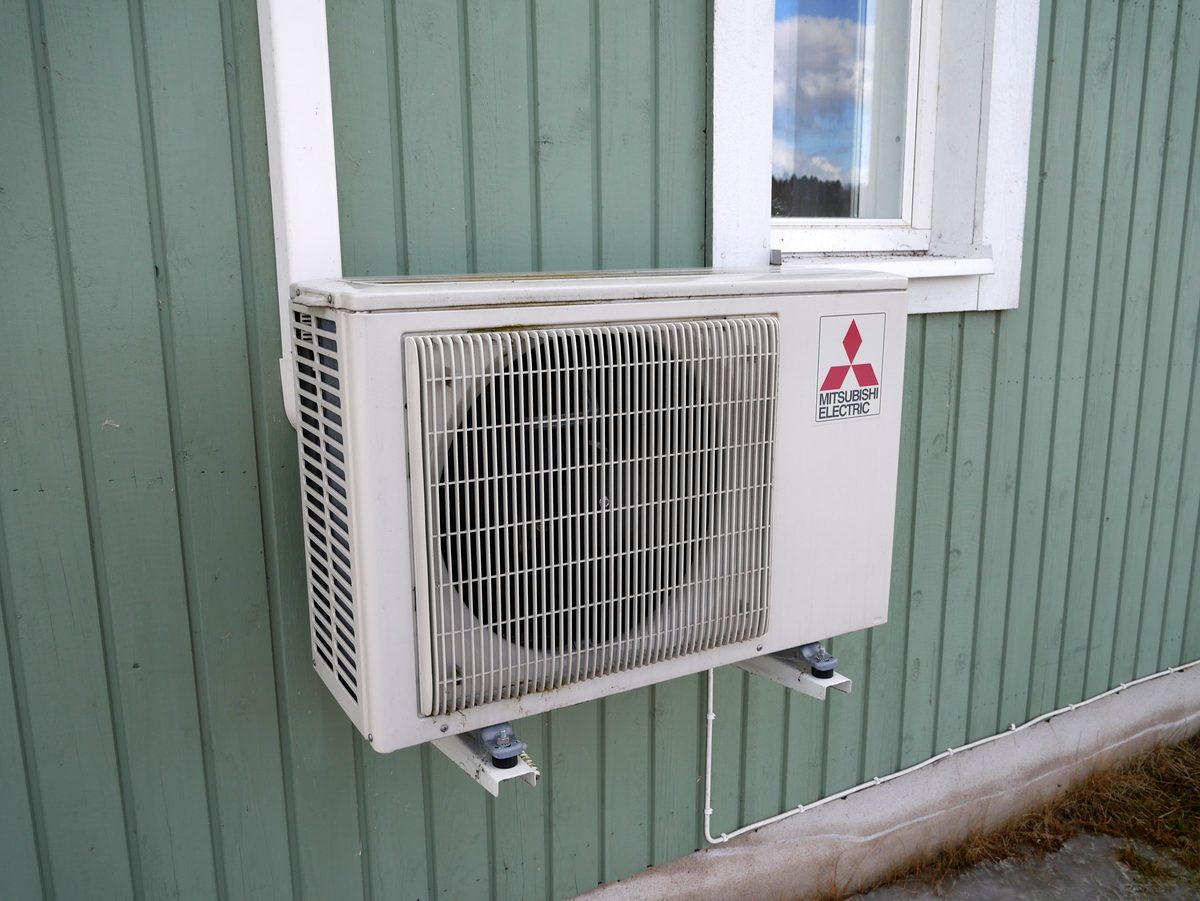
A good routine is short and repeatable. Change the filter on schedule and check it monthly during heavy use. Keep supply vents open and return grilles clear. Keep the outdoor unit clear of leaves, grass, and stored items. Watch the drain for water where it should not be, and note any new noise or change in how the system cycles. Arrange a yearly service visit before the cooling season, and keep notes from each visit so you can see patterns over time.
The advantages add up over a season and over years. Steadier cooling, fewer breakdowns, a longer life for the system, cleaner air, less wasted run time, early warning for hidden problems, and protection from water damage all come from the same simple habits. Regular maintenance will not make a system perfect, but it will keep a good system working the way it was meant to work, and that is a result you can feel in every room of your home.
Related Guides