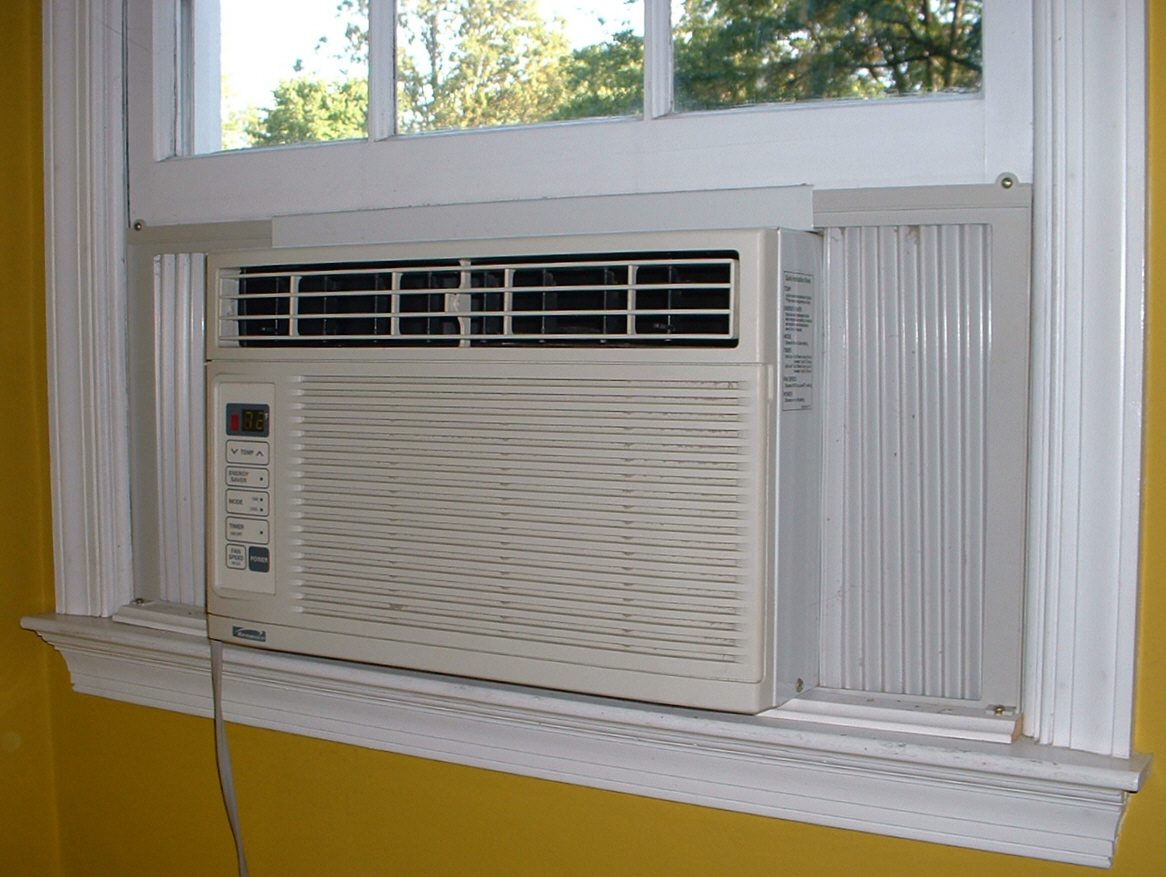
Does your electricity bill climb every summer and leave you wondering where all that power goes? You are not alone. Cooling is often the largest single use of electricity in a home during warm months, and small habits around your air conditioner can add up to real savings over a season. The good news is that you do not need a new system to start saving. You can lower your use by changing how you run the system you already have, by keeping it in good working order, and by keeping cool air inside your home.
This article walks through the choices that matter most. You will learn how thermostat settings affect run time, why airflow and filters matter, how shade and sealing help your system work less, and when it makes sense to ask a contractor about an upgrade. None of these steps require special tools. Most take a few minutes, and you can start with the one that fits your home best.
Start With Your Thermostat Setting
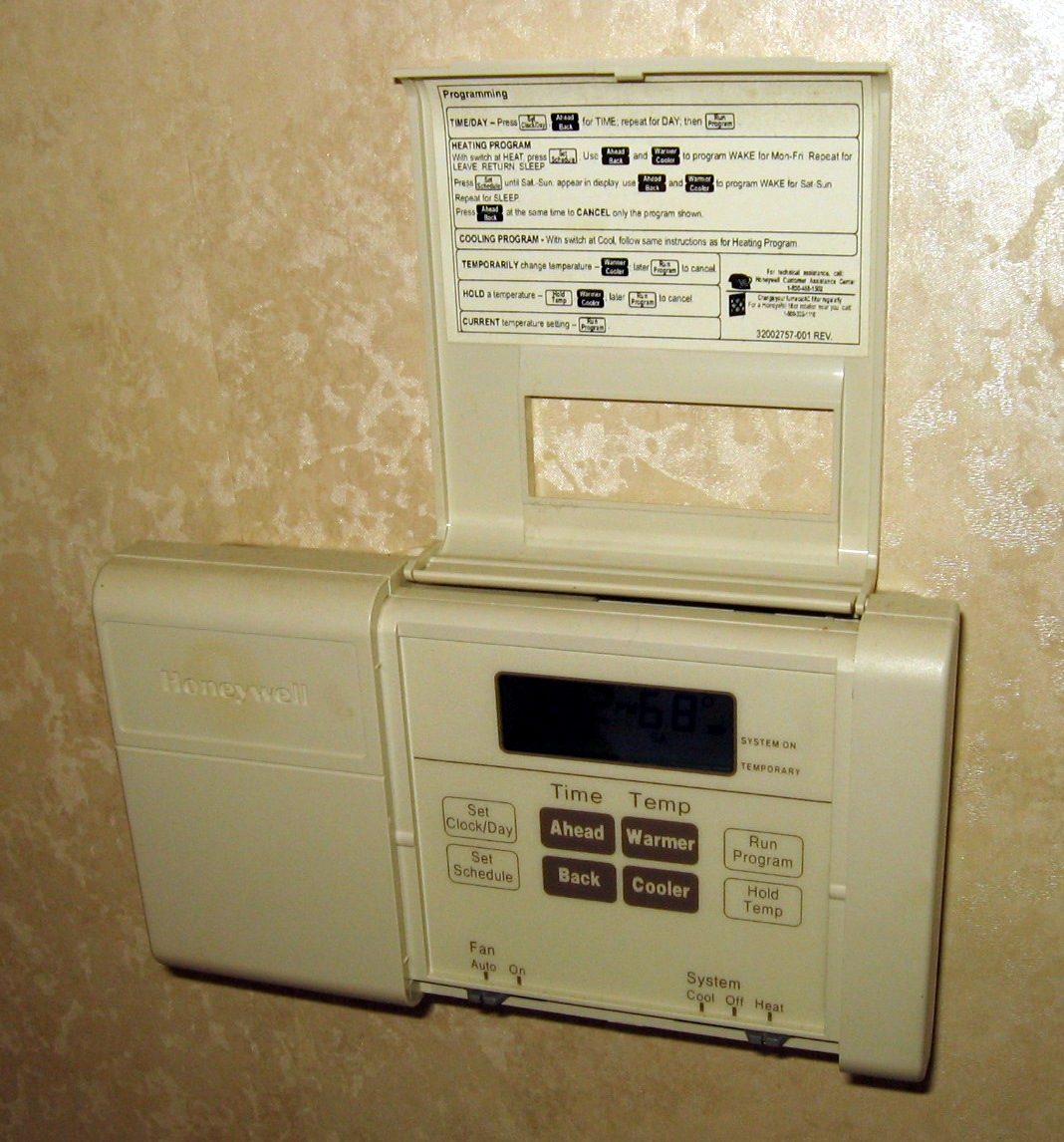
Your thermostat setting is the single biggest lever you control. Every degree lower on the thermostat asks your system to run longer and work harder against outdoor heat. A setting that feels only slightly cooler can mean much longer run times on a hot afternoon. Many people find that a setting in the mid to upper seventies feels comfortable when the air is moving and humidity is under control, especially if they use a ceiling fan.
Try raising your setting by one or two degrees for a week and see how you feel. Wear lighter clothing indoors, drink cool water, and run a fan in the room you are using. If you are comfortable, keep the new setting. If you feel warm, try a smaller step. The goal is a setting you can live with all day, not a setting you keep changing every hour.
A programmable thermostat helps here. You can set it a little warmer when you are away at work or asleep, and cooler when you are home and active. Avoid setting it very low when you come home to a hot house. Your system cools at about the same rate no matter how low you set it, so a very low setting does not cool the house faster. It only makes the system run longer than needed and can leave the house colder than you want.
If you leave for the weekend, do not turn the system off entirely in a hot and humid climate. Set it warmer than usual so the house stays dry and your furniture, walls, and electronics do not absorb heat and moisture. When you return, bring the setting down in steps rather than dropping it all at once.
Keep Air Moving Freely
Your air conditioner cools by moving air across a cold coil and then sending that air through your home. Anything that blocks that flow makes the system work harder and cool less evenly. Check your supply vents first. Make sure furniture, rugs, curtains, and storage boxes are not covering them. A blocked vent does not save energy in an unused room. It raises pressure in the ducts and can make other rooms less comfortable.
Check your return vent too. It is usually a larger grille on a wall or ceiling. Keep it clear and make sure its filter is clean. If you close interior doors, leave a gap or make sure air can return to the main part of the house. A closed room with no return path can become warm while the rest of the house feels cold.
Ceiling fans help a lot. A fan does not cool the air, but moving air on your skin makes you feel cooler, so you can keep the thermostat a little higher. Run the fan only in rooms people are using. A fan in an empty room uses electricity without helping anyone feel cooler. In summer, the fan should push air downward. You can usually change the direction with a small switch on the fan body.
Portable fans can help in the same way for a single room or a home office. Point the fan at yourself rather than at a wall. If you work from home, cooling one room with a fan and a slightly higher thermostat setting often feels better than cooling the whole house to a low temperature.
Change and Clean Filters on Schedule
A dirty filter is one of the most common reasons a system uses more electricity than it should. The filter catches dust and pet hair before they reach the coil. As it fills up, less air passes through, the coil gets colder than it should, and the system runs longer to reach your setting. In some cases a very dirty filter can cause the coil to freeze, which stops cooling altogether until the ice melts.
Check your filter once a month during cooling season. Hold it up to a light. If you cannot see light through it, it is time to change it. Homes with pets, smokers, or a lot of dust may need a new filter more often. Homes with no pets and little dust may go longer, but a monthly check is still a good habit.
Use the size printed on the old filter and slide the new one in with the arrow pointing in the direction of airflow. Write the date on the edge of the filter so you know when you changed it. Keep a spare filter at home so you are not tempted to run the system without one while you wait to buy a replacement. Running without a filter lets dust coat the coil, and a coated coil is much harder to clean than a filter is to replace.
Once a year, have a contractor clean the indoor coil and the outdoor unit during a maintenance visit. You can also keep the outdoor unit clear yourself by trimming plants back, removing leaves, and gently rinsing dirt off the outside fins with a garden hose. Never use a pressure washer on the fins. They bend easily, and bent fins block airflow.
Seal Leaks and Block Heat Before It Gets In
Cooling a leaky house is like filling a bucket with a hole in it. Your system has to keep replacing the cool air that escapes and fighting the hot air that leaks in. Common leak points are gaps around windows and doors, openings where pipes and wires enter the house, and gaps in the attic hatch. You can find many of these by feeling for warm air on a hot day or by holding a lit incense stick near a suspect gap and watching the smoke move.
Weatherstripping on doors and caulk around window frames are low cost fixes that you can do in an afternoon. They also help in winter by keeping warm air inside. In the attic, make sure insulation is even and covers the floor without gaps. A contractor or energy auditor can check your attic and ducts for larger problems, such as disconnected duct joints or insulation that has fallen away.
Ducts matter more than many people realize. If your ducts run through a hot attic or crawl space and have leaks, a large share of your cooled air may never reach your rooms. Sealing duct joints with mastic or approved tape and adding insulation around ducts in unconditioned spaces can make a noticeable difference in comfort and run time. This is a job worth getting a quote for if your rooms cool unevenly or your system runs almost constantly on hot days.
Sunlight is another source of heat. Close blinds or curtains on south and west facing windows during the hottest part of the day. Light colored curtains reflect more heat than dark ones. Outside, shade helps even more. A tree, awning, or shade screen over a sunny window can keep a room cooler without using any electricity. Just keep plants and structures clear of the outdoor unit so air can flow around it.
Use Heat-Producing Appliances Wisely
Your air conditioner has to remove heat from everything inside your home, not just heat that comes through the walls. Ovens, clothes dryers, dishwashers, and even old light bulbs add heat that your system must then remove. On a hot day, try cooking with a microwave, slow cooker, or outdoor grill instead of the oven. Run the dishwasher and dryer in the evening when outdoor temperatures are lower, and use the dryer vent correctly so hot moist air goes outside.
Replace old incandescent bulbs with LED bulbs if you have not already. LEDs use less electricity and give off far less heat, which means less work for your cooling system. Turn off lights and electronics in rooms you are not using. A television, computer, and game console left on in a small room can warm it up enough that you reach for the thermostat.
Humidity also affects how warm you feel. When indoor air is humid, sweat evaporates slowly and you feel sticky even at a moderate temperature. Your air conditioner removes some moisture as it cools, but on very humid days it may struggle to keep up. Running the bathroom fan during and after a shower, fixing plumbing leaks, and avoiding drying clothes indoors all help keep indoor humidity down. If your home often feels damp, ask a contractor whether a whole home dehumidifier or a system adjustment would help.
Maintain the Outdoor Unit
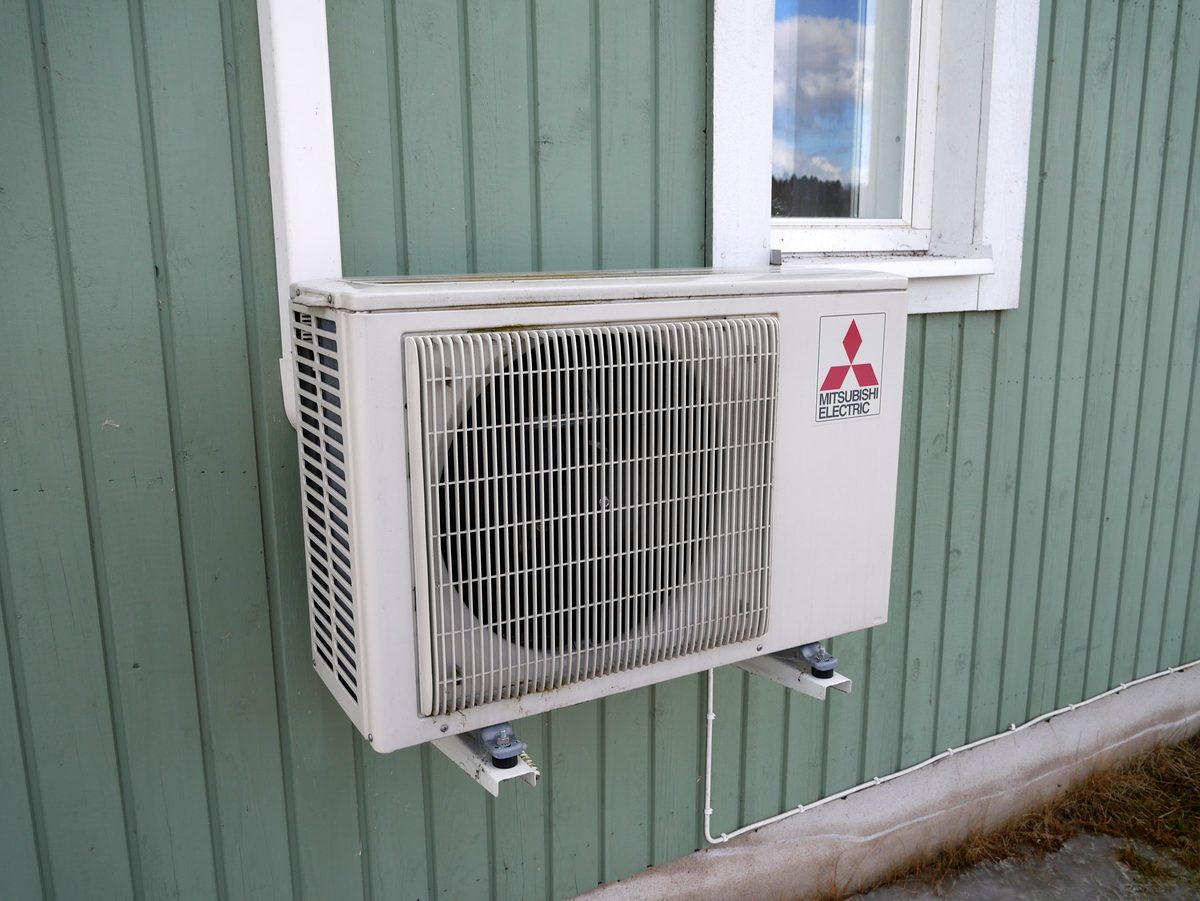
The outdoor unit releases the heat your system pulls from inside your home. If it cannot release that heat easily, the whole system works harder. Keep at least a couple of feet of clear space around the unit on all sides. Trim shrubs, remove fallen leaves, and keep grass clippings away from the fins. Do not store boxes, garden tools, or trash bins against it.
Shade for the outdoor unit can help a little, but do not cover it or build a tight enclosure around it. The unit needs free airflow to do its job. A small shade structure well above the unit is fine, but anything that blocks air in or out will hurt performance.
Listen to your system from time to time. New rattles, buzzing, or short on and off cycles can be early signs of a problem. Short cycling, where the system turns on and off every few minutes, wastes electricity and wears out parts. It can be caused by a dirty filter, a thermostat placed in direct sunlight, or a system that is too large for the home. If you notice short cycling, check the simple causes first, then call a contractor if it continues.
When to Consider an Upgrade
If your system is old, needs frequent repairs, uses a refrigerant that is no longer common, or cannot keep your home comfortable even after maintenance and sealing, it may be time to talk to a contractor about replacement. A newer system can use less electricity for the same amount of cooling because of better motors, better controls, and better coil design. A contractor can compare your current system with newer options and explain the differences in plain terms.
Ask about the efficiency rating of any new system and what it means for your home. Ask how the contractor sizes a system. A system that is too large will cool quickly but short cycle and leave humidity behind. A system that is too small will run constantly on hot days and never reach your setting. A careful contractor will measure your home, ask about insulation and windows, and check your ducts before recommending a size.
Also ask about variable speed equipment. A system that can run at lower speeds for longer periods often keeps temperatures steadier and controls humidity better than a system that only turns fully on or fully off. It can also be quieter. Whether that type of system fits your budget and your ductwork is a question to discuss in person, with a written quote you can compare.
Do not rush into a replacement because of a single high bill. Check the simple fixes first: filter, thermostat habits, leaks, and maintenance. If those do not bring your bills and comfort back in line, then a contractor visit is the right next step.
A Simple Plan You Can Follow This Week
Start today by checking your filter and your thermostat setting. Raise the setting by a degree or two and use a fan in the room you are in. Walk through your home and open any blocked vents. Close blinds on sunny windows in the afternoon. This week, check door seals, trim plants around the outdoor unit, and schedule a maintenance visit if you have not had one in the past year. Over the next month, watch how your home feels and how long your system runs on hot days.
Saving on cooling is rarely about one big change. It is about a set of small habits that work together: a reasonable thermostat setting, free airflow, a clean filter, a sealed home, and a maintained system. Each step on its own helps a little. Together they can make your home more comfortable and your electricity use easier to manage all summer long. If you try these steps and your home still struggles to stay cool, that is useful information too. It tells you it is time to bring in a contractor for a closer look at your system, your ducts, and your insulation.
Related Guides