Are you trying to work out what furnace cleaning should cost in Rancho Cucamonga? You are not alone. Many homeowners book a cleaning only when the furnace starts acting up, and by then it is hard to tell a fair quote from a padded one. This guide gives you a plain way to judge a price: what the job includes, what makes it take longer, and how to compare two quotes that look different on paper.
A furnace cleaning is routine maintenance, not a mystery service. Once you know the tasks involved, you can ask direct questions, spot missing work in a quote, and choose a company that explains its work instead of rushing through it.
Why Clean a Furnace at All
Dust builds up inside a furnace even in a tidy home. Air moves through the system every time it runs, and that air carries dust, pet hair, and fine debris. Over time that buildup coats the blower, the cabinet, and the heating parts. A dirty blower moves less air, a dirty burner can light unevenly, and a clogged filter can starve the system of air flow.
Cleaning removes that buildup and gives the technician a chance to look at the parts while the unit is open. They can see a worn belt, a cracked hose, a loose wire, or a burner that needs attention. Catching those problems during a planned visit is usually simpler than dealing with a furnace that stops on a cold night. Cleaning does not fix a broken part, but it makes problems easier to see and easier to explain.
If you have not had a cleaning in a few years, do not worry. A technician can still clean the unit and tell you what they found. Just mention the gap when you book, so the company can allow enough time for a heavier job.
What a Cleaning Visit Should Cover
A clear quote will list the tasks, and a good visit will follow that list. The visit usually begins with the filter. The technician removes it, checks its condition, and replaces it or cleans it if it is reusable. A filter that is dark with dust or bent out of shape tells the technician a lot about how the system has been running.
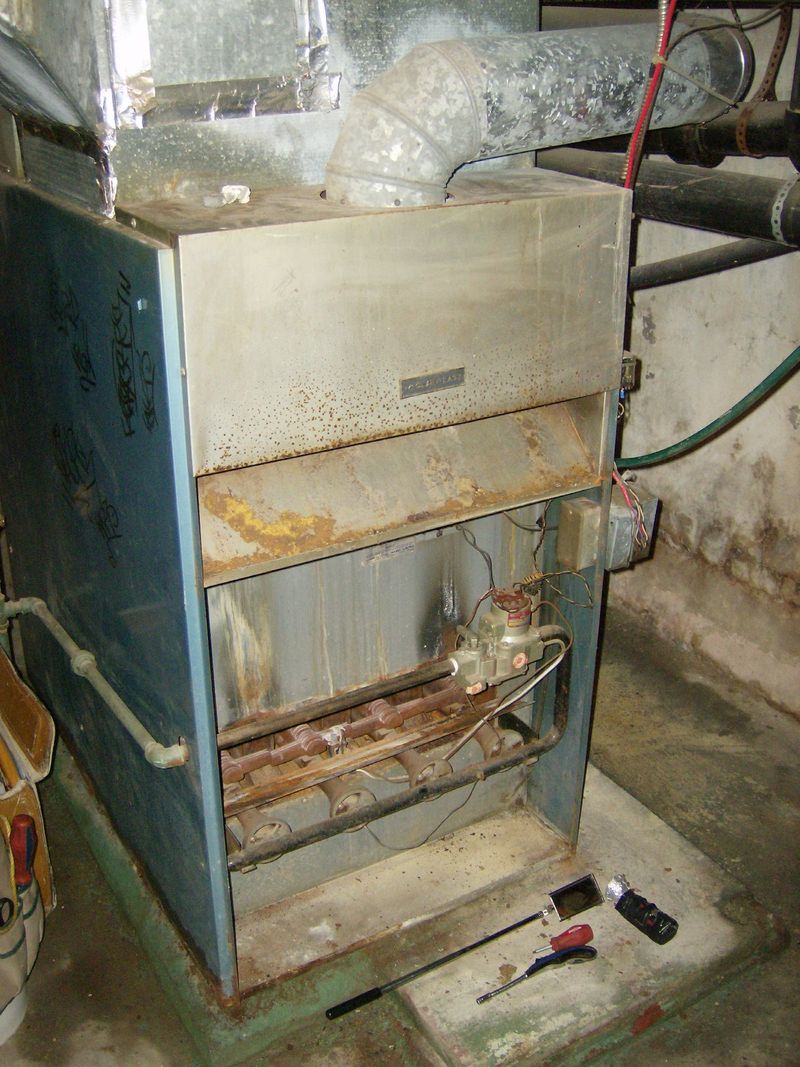
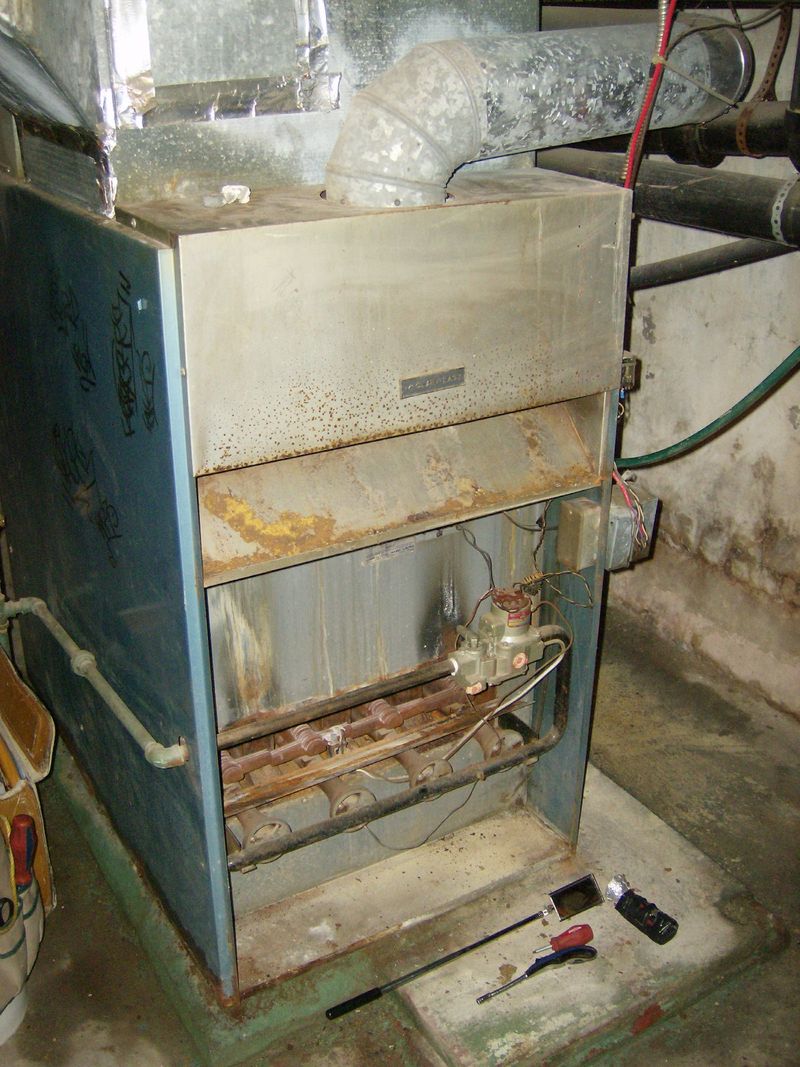
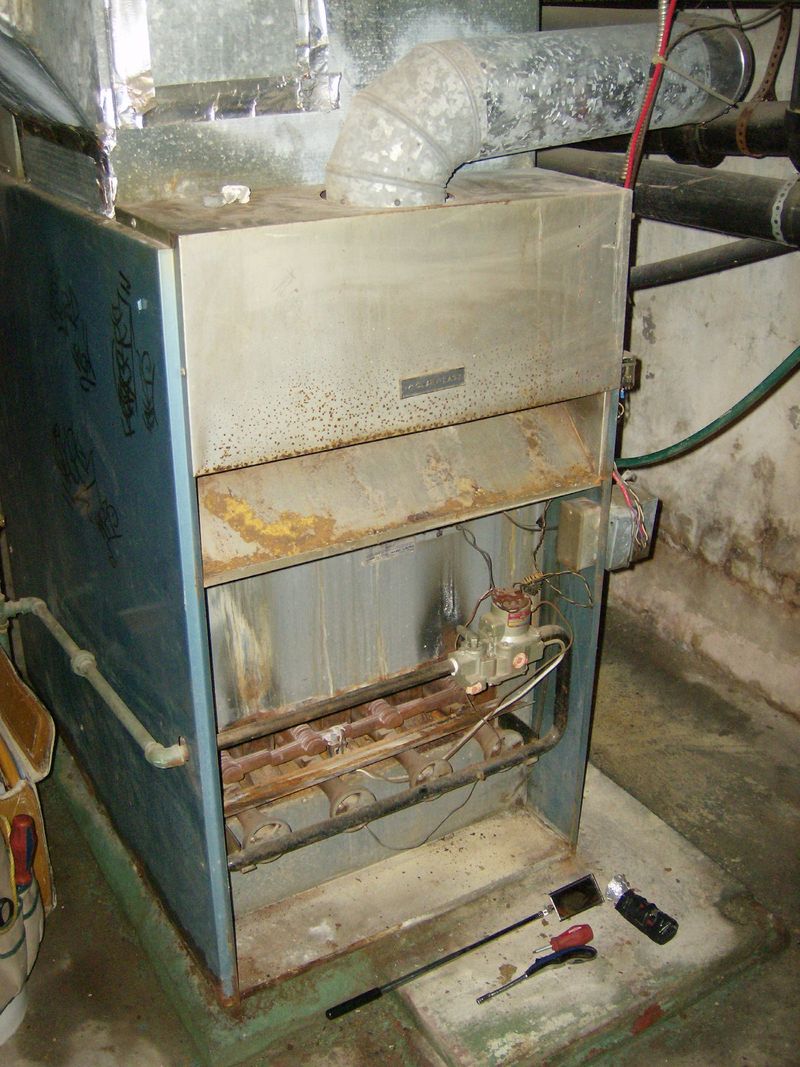
The technician then vacuums dust from the cabinet and the blower area, wipes surfaces they can reach safely, and clears debris from around the unit. For a gas furnace, they check the burner for buildup, look at the igniter, and watch the flame as the furnace starts. For an electric furnace, they check the heating elements and the connections for signs of wear. In both types they should test the thermostat and run a full heating cycle.
The safety part of the visit matters as much as the cleaning. The technician should check the venting for blockages, test the safety controls, and look for signs of a leak or exhaust problem. If duct cleaning is part of the offer, it should be named as a separate task, with a note about what it covers. Duct work is not the same as furnace cleaning, and mixing the two in one vague price makes comparison hard.
What Pushes the Cost Up or Down
The size and type of furnace are a starting point. A larger unit takes longer to clean, and a unit paired with a heat pump or a more involved control system takes longer to check. The age of the furnace matters too. An older unit may need more care to open and clean without disturbing worn parts, while a newer unit that has been serviced each year often cleans quickly.
Access is often the biggest hidden factor. A furnace in a garage or a utility room with open space around it is easy to reach. A furnace in a tight attic, a low crawl space, or a closet packed with stored items takes more time to reach and to work on safely. Clearing the path and the space around the furnace before the visit helps the technician and can keep the job on schedule.
Condition also changes the time needed. A furnace cleaned every year usually needs a light cleaning. A furnace that has gone years without service, or a home that has just had drywall, flooring, or painting work, may hold far more dust. Tell the company about recent work in the home when you book, so they can plan for it.
Timing and urgency are the last factors. A routine visit booked ahead of the heating season is usually the easiest to schedule. An urgent visit, an evening visit, or a weekend visit can cost more because the technician is working outside normal hours. If the furnace is still heating, booking early is the calmer and often the cheaper choice.
Reading a Quote Line by Line
Ask for every quote in writing, and ask each company to list the same tasks so you can compare them side by side. A helpful quote will name the filter, the blower and cabinet cleaning, the burner or element check, the safety control test, and the vent check. It will also say whether a new filter is included, whether duct work is included, and whether there are any travel or disposal fees.
Use this checklist when you read a quote:
- Does it list each cleaning task, or does it only say furnace cleaning?
- Is a new filter included, and what type and size is it?
- Is duct cleaning included, or priced as a separate line?
- Will the technician test safety controls and check venting?
- How long will the visit take, and what happens if a repair is found?
- Are there fees for travel, cancellation, or after hours work?
If one quote is much lower than the rest, look for what is missing. A low price can mean a short visit that only changes the filter, or a visit that is used to sell extra work. If one quote is much higher, look for extra tasks that the others do not include. The goal is not to find the lowest total. It is to find the quote that lists clear work at a price you understand.
During the Visit: What to Expect
A good technician will explain the plan before starting, lay down protection for the floor, and shut off power to the furnace before opening it. They will show you the old filter, vacuum the cabinet and blower area, and clean the parts they can reach safely. They will then start the furnace, check the air from each vent, and listen for rattling, grinding, or a delayed start.
Pay attention to how they talk about what they find. A clear explanation in plain words is a good sign. If they find a worn part, they should show it to you if they can, explain what it does, and give you a written price for the repair before doing the work. You should have time to decide, and you should never feel pushed to approve extra work on the spot.
Before they leave, ask for a written summary of the cleaning and any notes about parts to watch. Ask them to show you how to change the filter, where the shutoff is, and how often to check the filter during the heating season. Keep the summary with your home records so the next technician can see the history.
How Often to Schedule Cleaning
Most homes do well with a furnace cleaning and check once a year, before the heating season starts. That visit gives the technician a chance to clean the unit, test the controls, and fix small issues before you rely on heat daily. If you have pets, if the household includes someone with allergies, or if the home is near dusty work, check the filter every month while the furnace is in use and change it when it looks dirty.
Between visits, keep supply vents open in rooms you use and keep return vents clear of furniture and rugs. Keep the space around the furnace clear of boxes and stored items, and do not store flammable materials near it. If you notice a new noise, a strange smell when the heat starts, or a room that stays cold while others warm up, book a check rather than waiting for the next yearly visit.
Furnace cleaning cost in Rancho Cucamonga is easier to judge when you can see the work behind the price. A written list of tasks, a clear note about what is extra, and a technician who explains what they found are the marks of a fair job. Compare quotes that list the same work, book before the busy season when you can, and keep the written summary from each visit. That routine keeps your furnace clean, checked, and ready when you need heat.
Related Guides