Who looks after the heating and cooling in a commercial building when nothing is broken? In an office block, a school, a shop, or a warehouse, the answer should never be nobody. A commercial building has more equipment, more people depending on it, and more to lose when it stops than a single home does. A planned maintenance program is how a building manager keeps that equipment running, and this guide explains what a good plan covers, how often the work happens, and what records to keep.
Planned maintenance means the work is scheduled in advance, on a calendar, rather than done in a panic after a breakdown. A rooftop unit that is checked twice a year is far less likely to fail on the hottest day of the year than one that has not been looked at since it was installed. The plan does not remove every breakdown, but it turns most of them into small jobs found early instead of large jobs found late.
What a Maintenance Plan Covers
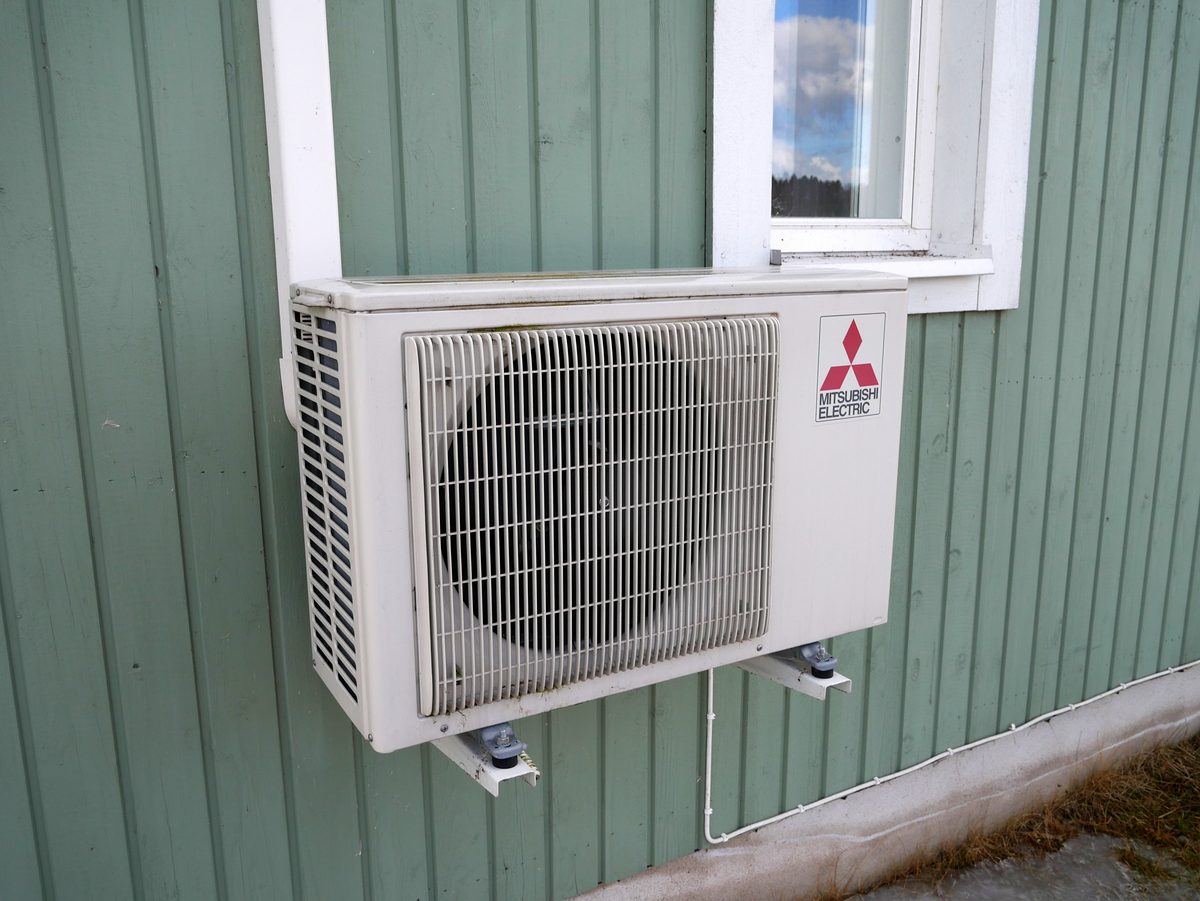
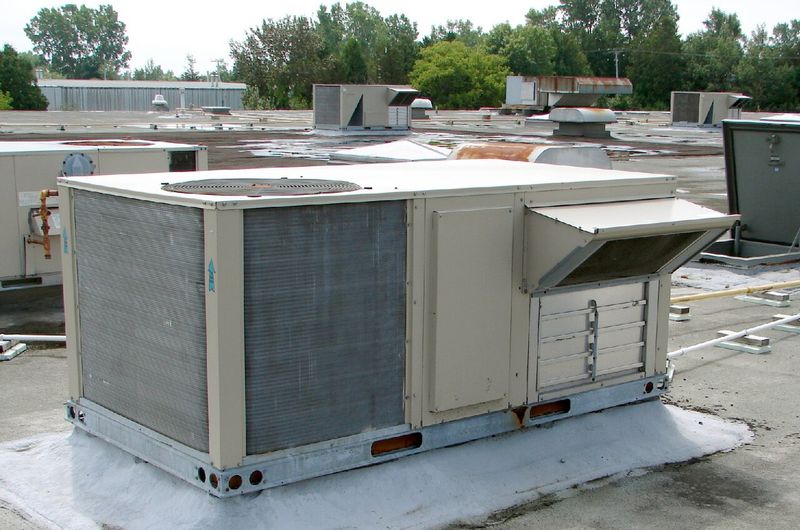
A commercial maintenance plan starts with a list of every piece of heating and cooling equipment in the building: rooftop units, split systems, boilers, chillers, air handlers, exhaust fans, and the controls that tie them together. Each item gets its own place on the plan, because a rooftop unit and a boiler do not need the same attention.
The plan covers the routine work that keeps equipment healthy: filters changed or cleaned, coils cleaned, drain lines cleared, belts and bearings checked, electrical connections tightened, and controls tested. It also covers the checks that catch trouble early, such as listening for new noises, looking for leaks, and watching for controls that no longer respond the way they should. Anything that affects comfort, air quality, or safety belongs on the list.
A good plan also states what it does not cover. Emergency callouts, major repairs, and equipment replacement are usually separate from routine maintenance, and the plan should say so plainly. That way, when a large repair is needed, nobody is surprised that it sits outside the regular visits.
How Often Each Task Happens
Not every task happens at the same pace. Filters are the most frequent job, and in a busy commercial building they may need attention every month or two, depending on dust, foot traffic, and the kind of work done in the space. A building with a workshop or a kitchen will load its filters faster than a quiet office.
Coils, drains, belts, and electrical checks usually fall on a seasonal rhythm: a cooling check in spring before the cooling season, and a heating check in fall before the heating season. That timing matches the way the equipment is used, and it means problems are found before the season that would expose them. Some equipment, such as boilers and chillers, may need attention from a specialist, and those visits are booked around the same seasonal pattern.
Controls deserve their own schedule. Thermostats, sensors, and time clocks drift over time, and a control that is a few degrees out can waste energy all year without anyone noticing. A regular check of the control settings, the schedules, and the zones keeps the building comfortable without running equipment harder than it needs to run.
- Monthly: filters, visual checks, and a walk past every unit to look and listen.
- Seasonal: a full cooling check in spring and a full heating check in fall.
- Yearly: a review of controls, schedules, safety devices, and the condition of each unit.
- As needed: belt and bearing wear, coil cleaning, and drain clearing when the checks show it is time.
Who Does What
A maintenance plan only works when everyone knows their part. The building manager owns the plan: the schedule, the budget, the records, and the decision about when a repair is worth doing. The manager does not need to do the technical work, but the manager does need to know what was done, what was found, and what comes next.
The technician or service company does the hands-on work: the seasonal checks, the filter changes, the cleaning, and the repairs. A good service company reports in plain language, lists what was found at each visit, and flags anything that will need attention before the next visit. If a report is only a ticked box with no notes, the manager has no way to see a pattern forming.
Building occupants have a part too. They are the ones who notice a room that is always too hot, a vent that rattles, or a smell near an air handler. A simple way for occupants to report problems, and a habit of passing those reports to the service company, turns everyday observations into early warnings. The plan should say how a report is made and who sees it.
Records Worth Keeping
Records are the memory of a maintenance plan. Without them, every visit starts from scratch, and nobody can tell whether a unit is getting better or worse. With them, a manager can see that a particular rooftop unit has needed the same repair three times, or that one zone always drifts out of balance in summer.
Keep a file for each piece of equipment: what it is, where it sits, when it was installed, and what work has been done on it. Keep the visit reports, the filter change dates, and any parts that were replaced. Keep the warranty papers and the manuals where they can be found in a hurry, not in a box nobody opens. And keep a simple log of occupant complaints, with the date, the room, and what was done about it. That log often shows a pattern long before any single complaint looks serious.
Records also protect the building. If a warranty claim is ever needed, the service history is the proof that the equipment was looked after. If a unit is replaced, the records of the old unit help size and choose the new one. And if a new manager takes over the building, good records are the handover that makes the job possible.
How a Plan Handles Breakdowns
Even a well-kept plan cannot stop every breakdown. What it can do is make breakdowns shorter and less damaging. When a unit fails, the plan should already say who to call, how fast the response should be, and which spaces matter most. A server room, a cold store, or a room full of people cannot wait as long as a storage area, and the plan should rank the spaces so the response matches the need.
After a breakdown, the plan earns its keep a second time. The repair is written into the equipment record, the cause is noted, and the manager asks whether the same failure could happen to a similar unit. A single failed belt is a repair. The same belt failing on three units in one season is a pattern, and a pattern is a reason to change the schedule or look for a deeper cause.
Reviewing the Plan Each Year
A maintenance plan should be reviewed once a year, and the review should be honest. Which visits found real problems, and which found nothing at all? Which units cost the most in repairs, and are they the oldest ones? Did the filters last as long as expected, or did they need changing sooner? Did occupant complaints fall, or did the same rooms keep coming up?
Use the review to adjust the schedule. A unit that has been trouble-free for years may not need the same attention as one that has needed three callouts. A space that changed its use, such as an office turned into a meeting room, may need its airflow and controls looked at again. And when equipment reaches the end of its working life, the plan is the place where replacement is discussed calmly, with costs and timing on the table, rather than decided in a hurry after a failure.
Planned maintenance for a commercial building is not complicated, but it does need to be written down, scheduled, and followed. List the equipment, set the rhythm, give everyone a clear job, keep the records, and review the plan each year. A building that is looked after this way stays comfortable, stays safe, and gives its manager warning before small problems become large ones.
Related Guides